

Cataract Treatments: Examination, Methods, and Lens Selection
Cataract is a condition in which the natural lens of the eye becomes cloudy, leading to a gradual reduction in vision. It most commonly develops with age and, if left untreated, may result in significant and potentially permanent vision impairment.
15,000+ Successful Eye Surgeries
Private Insurance Accepted
20+ Years of Experience
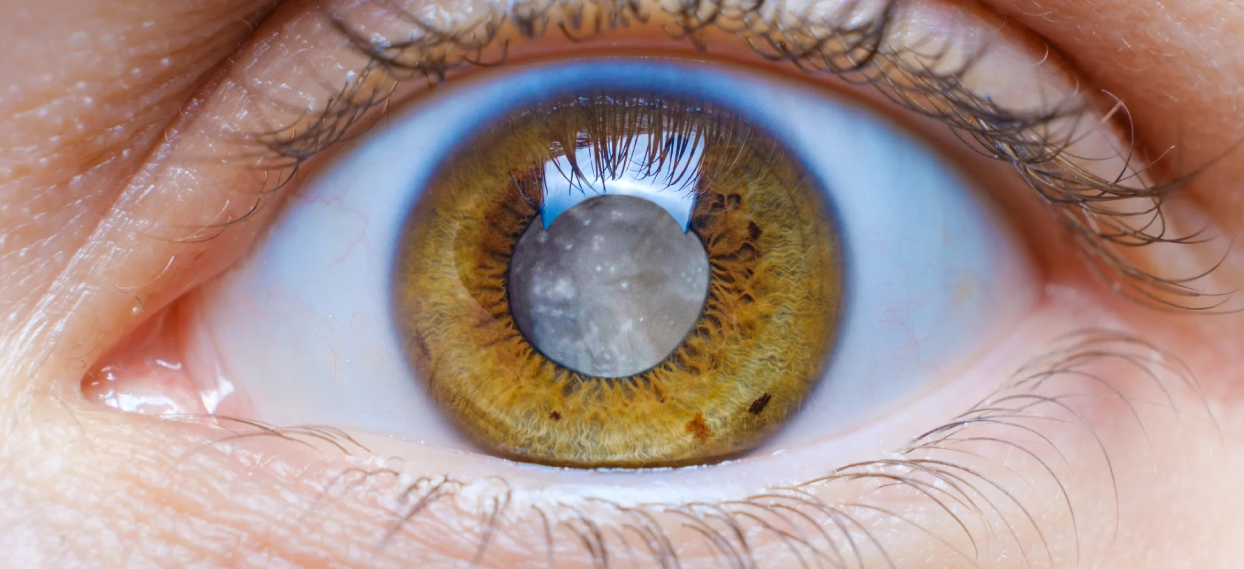
Cataract is a condition characterized by clouding of the eye’s natural lens, which may reduce visual clarity. It most commonly develops with age and, if left untreated, may lead to permanent visual impairment.
For information on modern cataract treatment methods and intraocular lens options, related pages can be reviewed. Details regarding the steps taken after diagnosis and the overall treatment process are explained below.
Treatment Methods and Options
- Phacoemulsification (Phaco)
- Smart Lens Treatments
- Monofocal Lens Treatment
- Multifocal Lens Treatment
- Trifocal Lens Treatment
- Premium IOL Treatment
- Toric Lens Treatment
- EDOF Lens Treatment
- Hybrid Lens Treatment
What Is Cataract?
Cataract is a common visual condition that occurs when the eye’s natural lens gradually loses its transparency. As the lens becomes cloudy, light may not reach the retina clearly. Although it is most often associated with aging, cataract can occur at any age. Understanding cataract is important for planning appropriate management steps.
What Are the Symptoms of Cataract?
Cataract may affect visual quality over time. Symptoms typically progress gradually and may include:
- Blurred vision
- Reduced night vision
- Increased sensitivity to light
- Colors appearing faded or dull
When such changes are noticed, consulting an eye care specialist may be helpful. Early evaluation supports clearer planning of available treatment options.
Factors That May Increase Cataract Risk
Cataract is commonly associated with natural, age-related changes in the eye lens, particularly the gradual accumulation of lens proteins that reduce transparency.
In addition to aging, certain environmental and genetic factors may contribute, including:
- Family history of cataract (genetic predisposition)
- Long-term exposure to ultraviolet (UV) light
- Systemic conditions such as diabetes
- Smoking
In the presence of such factors, regular eye examinations may help identify changes at an earlier stage.
Who Is Cataract More Commonly Observed In?
Cataract typically develops over time and may be observed more frequently in later years as lens transparency changes with age. However, cataract is not exclusively age-related.
Eye trauma, prolonged UV exposure, certain systemic conditions (such as diabetes), long-term use of specific medications (e.g., corticosteroids), genetic factors, and lifestyle habits such as smoking may also influence cataract development.
Regular eye examinations play an important role in monitoring eye health, as each eye structure differs and requires individualized assessment.
Is It Possible to Prevent Cataract Formation?
While cataract treatments can be effective, preventing cataract formation entirely is not possible. However, certain lifestyle habits may help reduce risk factors:
- Maintaining a balanced, healthy diet rich in antioxidants
- Avoiding smoking
- Managing chronic conditions such as diabetes
- Attending regular eye examinations
- Protecting eyes from sunlight by using UV-filtered sunglasses
Healthy habits and routine check-ups support early detection and ongoing eye health.
Cataract Surgery and Artificial Lens Selection
In cataract surgery, the natural lens that has lost transparency is removed and replaced with an artificial intraocular lens. Lens selection is planned based on visual needs, lifestyle factors, and ocular structure.
Common lens types include:
- Monofocal lenses: Typically selected for clear distance vision; reading glasses may be needed for near tasks.
- Multifocal lenses: Designed to support clearer vision at multiple distances, potentially reducing dependence on glasses.
- Trifocal lenses: Provide vision support for distance, intermediate, and near ranges.
- Toric lenses: Specifically designed for eyes with astigmatism.
Lens selection should be guided by both medical criteria and daily visual requirements. A detailed preoperative assessment supports choosing the most appropriate option.
Preoperative Preparation for Cataract Surgery
Before surgery, both ocular and general health are evaluated in detail. This preparation phase may include:
- Measurement of intraocular pressure and lens calculations
- Review of current medications
- Use of preoperative eye drops
- Systemic health checks if needed (e.g., blood pressure or glucose)
- Instructions for the day of surgery (fasting, accompaniment, etc.)
This preparation is essential for safe and effective surgical planning.
How Does the Cataract Surgery Process Proceed?
Cataract surgery is an effective procedure performed when the natural lens becomes cloudy. It is typically carried out under local anesthesia with patient comfort in mind.
During surgery, the cloudy lens is removed through a small incision and replaced with an artificial intraocular lens (IOL). The procedure is usually suture-free and may take approximately 15–20 minutes.
With modern techniques, discharge often occurs on the same day, and return to daily activities may be relatively quick. Recovery varies depending on individual factors, making adherence to medical guidance important.

Recovery After Cataract Surgery
Recovery after cataract treatment is generally comfortable and relatively rapid. Depending on the technique used and ocular structure, many individuals resume daily activities shortly after surgery.
During recovery, regular use of prescribed eye drops, follow-up visits, and attention to eye hygiene are important. Temporary effects such as mild blurring or light sensitivity may occur initially and typically decrease over time.
Outcomes may vary based on the selected lens type, and patience during the recovery period supports optimal results.
Cataract Treatments: Clear Vision and Improved Daily Comfort
Cataract treatments aim to address vision problems that may reduce quality of life. Clouded vision can make daily activities more challenging; however, modern treatment approaches support a comfortable process and favorable outcomes.
Potential benefits following treatment may include:
- Improved clarity supporting greater independence
- Reduced light sensitivity
- More vivid color perception
- Less visual fatigue during daily tasks
- Enhanced overall quality of life
Treatment planning is individualized based on ocular structure and lifestyle considerations. Early evaluation by an eye care specialist is important when symptoms are present.
A Safe Approach to Cataract Surgery
Surgical treatment for cataract has been widely performed for many years and is supported by modern technology. During the procedure, the cloudy lens is replaced with an artificial intraocular lens.
When performed under appropriate conditions by an experienced ophthalmologist, cataract surgery is generally considered safe. Regular eye examinations and professional guidance help ensure a well-planned treatment process.
Cataract Surgery Cost Information
The cost of cataract surgery may vary depending on the type of intraocular lens selected, ocular characteristics, and the facilities of the healthcare provider. A detailed eye examination is required for accurate pricing.
Factors that may influence cost include:
- Lens type (monofocal, multifocal, trifocal, etc.)
- Surgical technique and technology used
- Location and infrastructure of the medical center
- Physician experience and expertise
For information on suitable treatment options and pricing, contact with the clinic may be made. Cataract treatments, when planned following professional evaluation, offer a safe and comfortable process.
Lens types and surgical methods used in cataract surgery are planned on an individual basis.
For further information about the treatment process or to arrange a preliminary evaluation, contact can be made with the clinic.