

Strabismus Treatment in Children and Adults
Strabismus is a condition in which the eyes are not properly aligned and may turn inward, outward, upward, or downward in one or both eyes. With appropriate treatment, both aesthetic appearance and functional visual balance can be improved. Early diagnosis plays a key role in increasing treatment success.
15,000+ Successful Eye Surgeries
Private Insurance Accepted
20+ Years of Experience
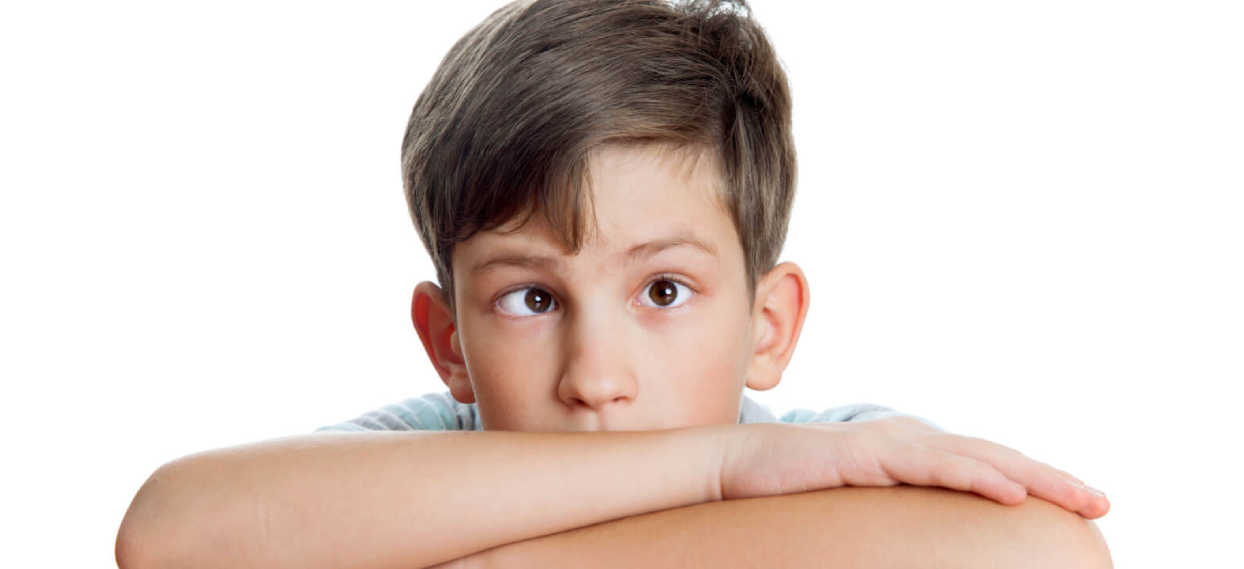
Strabismus is a condition in which the eyes are not properly aligned and may present as deviation in one or both eyes. With appropriate management, both functional visual balance and cosmetic alignment can be supported. Early diagnosis plays an important role in improving treatment outcomes.
What Is Strabismus? What Does Eye Misalignment Mean?
Strabismus is a condition in which the normal parallel alignment of the eyes is disrupted, causing one eye to deviate in a different direction while the other looks straight ahead. This condition is commonly referred to as eye misalignment. The deviating eye may turn inward, outward, upward, or downward.
For healthy vision, both eyes need to focus on the same point simultaneously. In strabismus, imbalance among the eye muscles leads to loss of this parallel alignment. This may affect both visual function and external appearance.
Management of strabismus varies depending on the underlying cause, type of deviation, and age group. Early recognition and timely intervention are important for visual development and long-term outcomes.
What Causes Strabismus?
Strabismus does not result from a single cause. Various factors affecting the eye muscles, nerves, or visual centers may contribute. It may begin in early childhood or develop later in adulthood.
Congenital Causes
In some individuals, strabismus is present from birth. Genetic predisposition or developmental factors during pregnancy may play a role.
Strabismus Related to Refractive Errors
Certain refractive errors, such as high hyperopia (farsightedness), may interfere with normal eye alignment, particularly in children. In such cases, early use of corrective glasses can be important.
Eye Muscle or Nerve Disorders
Damage to the nerves controlling eye muscles or structural abnormalities of the muscles may lead to imbalance in eye movements. These issues may occur due to trauma, neurological conditions, or infections.
Trauma and Systemic Conditions
Head injuries, brain tumors, stroke, or systemic conditions such as thyroid disease may also be associated with strabismus. These causes are more commonly linked to adult-onset strabismus.
What Are the Symptoms of Strabismus?
Strabismus may be visibly noticeable in some cases, while in others it may present primarily with symptoms. Early detection, especially in childhood, is important for effective management.
Common findings may include:
- Loss of eye alignment
- Double vision (diplopia)
- Head tilting or turning to one side
- Impaired depth perception
- Visual fatigue or frequent blinking
How Is Strabismus Diagnosed?
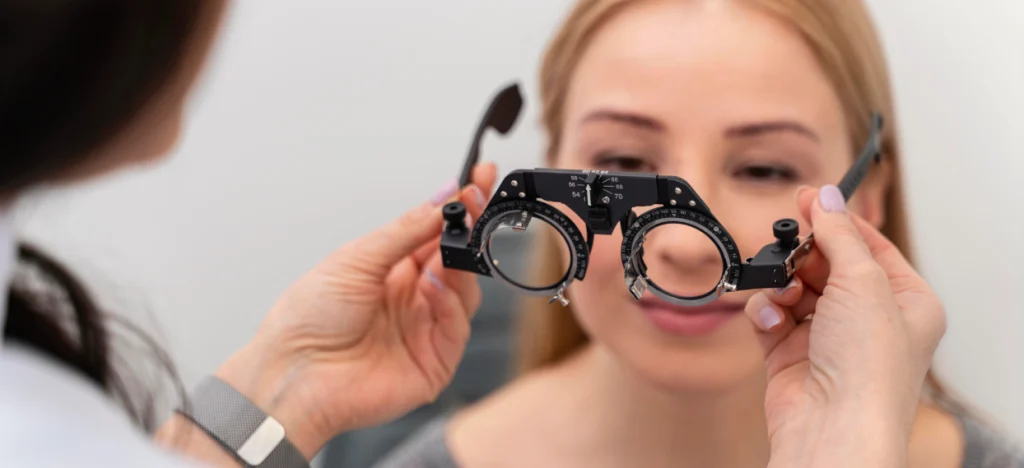
Diagnosis of strabismus is made through a detailed eye examination and specialized tests. Early detection in children is particularly important to reduce the risk of amblyopia (lazy eye) and prevent permanent visual impairment.
Visual acuity of each eye is measured separately. Refractive errors (myopia, hyperopia, astigmatism) are identified, and the need for corrective lenses is assessed.
Cover tests and light-based examinations are used to determine the type, direction, and degree of deviation. Eye movement coordination and muscle balance are evaluated to identify possible underlying causes.
In children, age-appropriate and play-based examination techniques may be used. The presence or risk of amblyopia is also assessed during this process.
Based on diagnostic findings, an appropriate management plan is developed. In some cases, glasses alone may be sufficient, while others may require surgery or additional supportive methods.
How Is Strabismus Managed?
Management of strabismus is planned individually, considering the degree of deviation, underlying cause, age, and visual function. The goal is not only to align the eyes but also to support coordinated and balanced binocular vision.
Corrective Glasses
In certain types of strabismus, especially those related to refractive errors, appropriate glasses alone may help restore alignment. This approach is commonly used in children.
Occlusion Therapy (Amblyopia Management)
If amblyopia has developed, the stronger eye may be temporarily covered to encourage use of the weaker eye. This method is primarily applied in pediatric cases.
Eye Exercises (Orthoptic Therapy)
In selected cases, particularly mild deviations or those noticeable during near work, specific exercises may help improve coordination of eye muscles.
Surgical Intervention
When strabismus does not improve with glasses or exercises, surgical management may be considered. During surgery, eye muscle positions are adjusted to restore alignment. Recovery is generally rapid.
When May Surgery Be Considered?
Surgical management is typically considered in the following situations:
- Constant strabismus not corrected with glasses
- Deviation that causes significant cosmetic concern
- Inability to achieve coordinated binocular vision
- Adult-onset strabismus associated with double vision
- Progressive strabismus beginning in childhood
Surgery aims to correct the degree of deviation by strengthening or weakening specific eye muscles. In some cases, a second procedure may be needed depending on muscle response and the nature of the condition.
Recovery After Strabismus Management
Recovery varies depending on the method used and the age group. With non-surgical approaches such as glasses or exercises, follow-up may be longer, and alignment is monitored over time.
After surgery, recovery is generally quick and comfortable. Discharge may occur on the same day. Temporary redness, irritation, or tearing can occur in the early days and is usually managed with prescribed eye drops.
Postoperative care typically includes:
- Maintaining proper eye hygiene
- Regular use of prescribed medications
- Avoiding strenuous activities and swimming for a short period
- Attending scheduled follow-up visits
In children, additional treatments such as glasses or occlusion therapy may continue after surgery to support visual development. In adults, surgery alone is often sufficient.
Why Is Early Diagnosis Important in Strabismus?
Early diagnosis is critical for preserving visual development and improving management outcomes, especially in childhood.
Benefits of early detection may include:
- Reduced risk of amblyopia
- Improved binocular coordination
- Prevention of persistent double vision
- Minimization of cosmetic concerns at an early age
- Increased effectiveness of non-surgical approaches
Some forms of strabismus are present at birth, while others develop later. Regular monitoring of eye alignment in children is important. Signs such as eye deviation, squinting, or head tilting should prompt timely evaluation by an eye care specialist.
Strabismus management helps address eye muscle misalignment, supporting healthier visual coordination and potentially improving quality of life.
For further information and an expert evaluation, contact with the clinic may be made.