

Femtosecond Laser Treatment in Cataract and Refractive Surgery
Femtosecond laser offers high precision in eye surgery by delivering laser pulses in quadrillionths of a second, allowing controlled tissue interaction with minimal disruption and supporting accurate, long-term surgical outcomes.
15,000+ Successful Eye Surgeries
Private Insurance Accepted
20+ Years of Experience
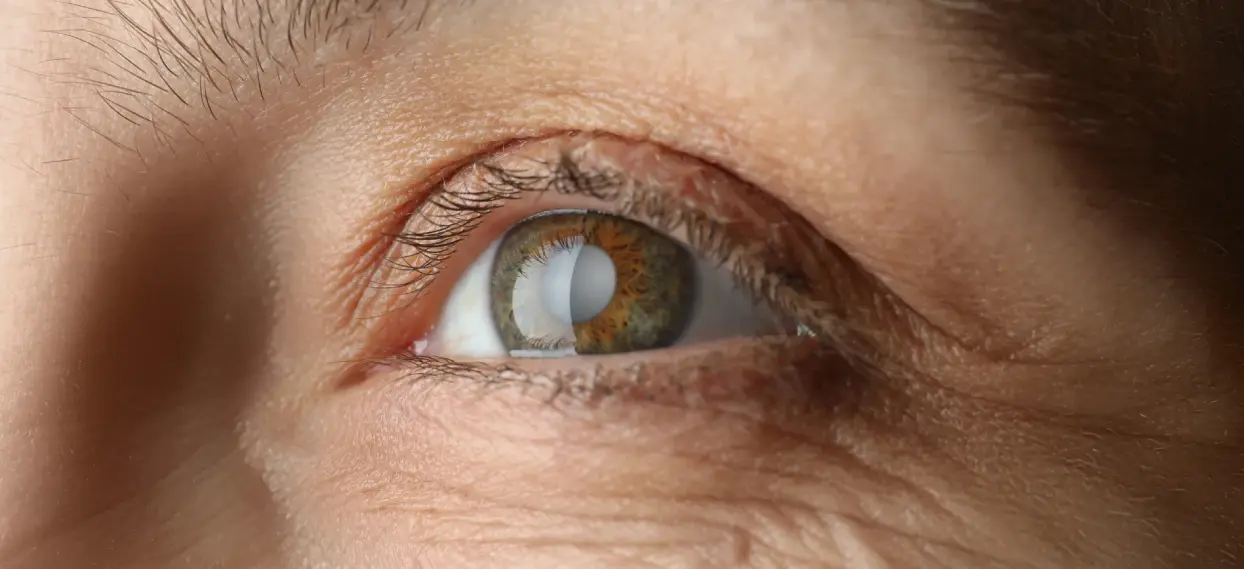
What Is Femtosecond Laser Treatment?
Femtosecond laser treatment is an advanced laser technology used in eye surgery where the highest level of precision is required. The term femtosecond refers to the laser’s ability to deliver pulses lasting one quadrillionth of a second. These ultra-short and highly controlled pulses allow procedures to be performed with minimal interaction with ocular tissue.
This technology is particularly preferred in procedures that require high accuracy on the eye’s surface. Replacing traditional microsurgical blades, the femtosecond laser enables a blade-free approach, offering a more stable and controlled surgical experience.
Key Features of Femtosecond Laser Technology
- High precision: Laser pulses are controlled at the micron level, allowing individualized surgical planning
- Contact-free application: Procedures are performed using laser energy without direct tissue contact
- Personalized planning: Detailed mapping of the eye structure guides the procedure
- Enhanced comfort: A blade-free technique may support a more comfortable recovery process
Femtosecond laser technology represents not only a technological advancement but also an important step toward improving patient comfort and surgical consistency. In the management of certain eye conditions, including cataracts, this approach allows for a more refined surgical technique.
In Which Areas of Eye Surgery Is Femtosecond Laser Used?
With its high precision and contact-free application, femtosecond laser treatment is used across multiple areas of ophthalmic surgery. It allows procedures to be performed in a more controlled and predictable manner.
1. Cataract Surgery
In cataract procedures, femtosecond laser technology enables precise incision of the lens capsule surrounding the natural lens. This allows the clouded lens to be removed in a controlled way with reduced mechanical intervention.
2. Refractive Surgery (Especially LASIK)
In LASIK procedures used to manage refractive errors such as myopia, hyperopia, and astigmatism, the femtosecond laser is used to create the corneal flap. This blade-free approach allows for a more uniform and precise flap, supporting visual quality outcomes.
3. Corneal Surface Procedures and Ring Implantation
In cases requiring corneal ring segments, femtosecond laser technology is used to create precise channels within the cornea. It is also applied in selected surface-shaping procedures and certain keratoplasty techniques.
4. Lens Capsule Incisions and Corneal Flap Creation
When working with delicate ocular structures, micron-level precision is critical. Femtosecond laser technology provides controlled execution of steps such as corneal flap creation and lens capsule incisions.
The choice of treatment area is based on individual eye structure and clinical needs. A detailed evaluation by an eye care specialist is essential.
How Is Cataract Surgery Performed With Femtosecond Laser?
Compared with conventional cataract surgery, femtosecond laser-assisted techniques offer a more personalized and precise approach during specific stages of the procedure.
1. Eye Mapping
Before treatment, detailed imaging of the eye is performed. Corneal thickness, lens position, and internal structures are assessed, and laser application areas are planned accordingly.
2. Lens Capsule Incision
The anterior capsule of the cataract-affected lens is opened using the femtosecond laser in a circular and controlled manner. This step is performed manually in traditional surgery, whereas laser assistance improves symmetry and precision.
3. Lens Fragmentation
The natural lens is segmented into smaller pieces using laser energy. This may reduce the need for ultrasonic energy during removal, potentially minimizing stress on surrounding tissues.
4. Intraocular Lens Placement
After removal of the natural lens, an intraocular lens (IOL) suitable for the eye structure is implanted. This step is performed by the surgeon in both traditional and laser-assisted methods.
Femtosecond laser treatment is among the advanced technologies used in cataract surgery. Determining the most appropriate technique requires professional evaluation.
Who May Be Considered for Femtosecond Laser Treatment?
Femtosecond laser treatment may be evaluated for individuals whose eye structure is suitable for this technology. It is not appropriate in every case, and candidacy is determined after a comprehensive examination.
It may be considered for individuals who:
- Have sufficient corneal thickness
- Have controlled intraocular pressure
- Are being evaluated for refractive surgery
- Require detailed planning in cataract surgery
Because every eye is unique, a thorough ophthalmic examination is essential before deciding on treatment suitability.
What Are the Advantages of Femtosecond Laser Treatment?
Thanks to its advanced technology, femtosecond laser treatment enables safer and more precise surgical interventions.
Key advantages include:
- High precision: Ultra-short laser pulses allow extremely accurate incisions
- Personalized planning: Procedures are tailored based on detailed eye mapping
- Minimal tissue interaction: Reduced mechanical contact may support comfort
- Suture-free approach: Many procedures do not require stitches
- Faster recovery potential: Controlled application and low tissue trauma may shorten recovery time
While these advantages make femtosecond laser technology widely used, treatment selection should always be individualized.
What Should Be Considered After Treatment?
For a healthy recovery following femtosecond laser treatment, certain precautions are recommended:
- Maintain eye hygiene: Avoid water, soap, makeup, and dusty environments during the early period
- Attend follow-up visits: Regular monitoring ensures proper healing
- Use prescribed medications: Eye drops and medications support recovery when used as directed
Recovery experiences may vary, so following personalized medical advice is important.
Success Considerations of Femtosecond Laser Treatment
Femtosecond laser technology is widely recognized for its precision and reliability in ophthalmology. Its ability to execute planned surgical steps accurately may positively influence procedural consistency.
In cataract surgery, symmetrical and controlled incisions, and in refractive surgery, customized application planning may contribute to patient comfort and recovery efficiency.
Outcomes vary based on individual eye structure, making detailed preoperative assessment essential. When applied in suitable cases, femtosecond laser treatment is regarded as a safe and effective option with high satisfaction potential.
Femtosecond Laser Treatment Costs
Costs associated with femtosecond laser treatment vary depending on eye condition, treatment approach, and individual needs. Since each eye is different, pricing is determined after personalized evaluation.
A preliminary examination by an eye care specialist is essential to assess suitability and provide detailed information about both the treatment process and associated costs.
Femtosecond laser technology stands out for its precision and comfort-oriented approach in modern eye surgery.
For further information or to schedule an evaluation appointment, contact with the clinic is recommended.