

EDOF Smart Lens Treatment
EDOF lenses are used in the management of presbyopia and cataracts. With extended depth of focus technology, they support clearer vision at near, intermediate, and distance ranges, offering a natural and long-term visual solution.
15,000+ Successful Eye Surgeries
Private Insurance Accepted
20+ Years of Experience
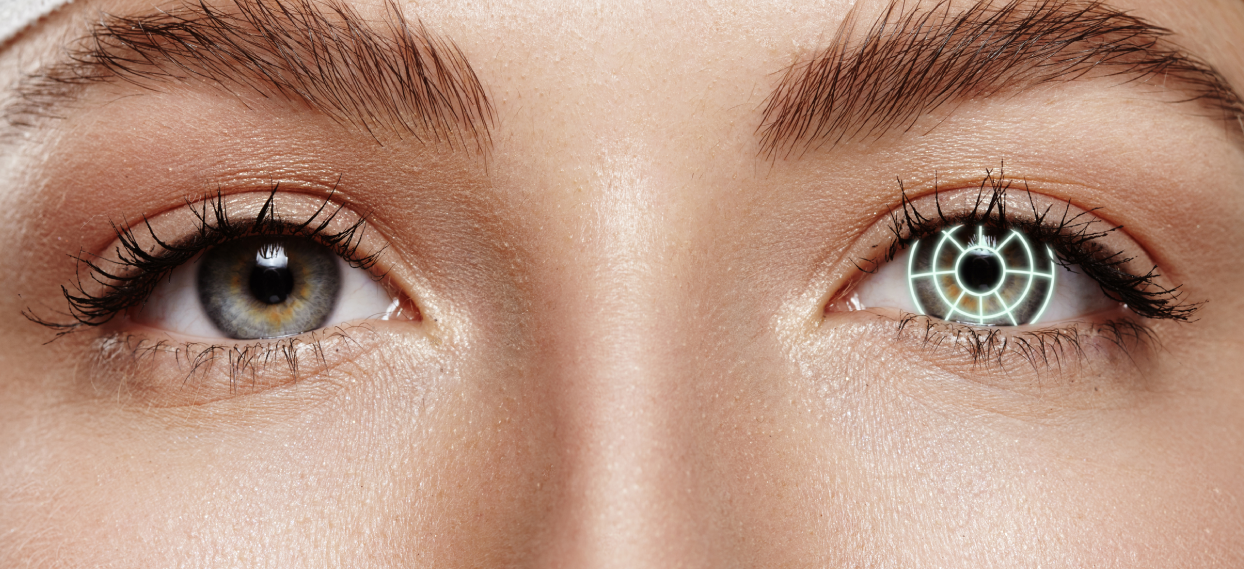
What Is an EDOF Smart Lens?
EDOF is an abbreviation for Extended Depth of Focus. This technology is designed to provide a smoother and more continuous range of vision across near, intermediate, and distance ranges.
Unlike traditional intraocular lenses that split light into multiple focal points, EDOF smart lenses aim to create one elongated focal zone. This approach supports a more natural visual experience with fewer abrupt transitions between distances.
EDOF technology is particularly known for enhancing intermediate vision, making daily activities such as computer use, smartphone reading, or viewing product labels more comfortable.
In modern cataract surgery or in patients seeking reduced dependence on glasses, EDOF smart lenses may be considered as part of a personalized treatment plan. Suitability should always be evaluated on an individual basis.
Who May Be Considered for EDOF Smart Lens Treatment?
EDOF smart lenses are advanced intraocular lenses developed to support clearer vision across multiple distances. They may be considered for certain individuals, including:
Individuals over 40 experiencing increasing dependence on glasses
For those who have difficulty seeing clearly at near, intermediate, and distance ranges, EDOF lens technology may help improve overall visual comfort.
Patients diagnosed with cataracts
When the natural lens becomes clouded due to cataracts, replacing it with an EDOF lens may help restore functional vision.
Individuals seeking an alternative to multifocal or trifocal lenses
Patients who prefer a more continuous and natural focus range rather than distinct focal zones may consider EDOF lenses as an alternative.
Every eye structure and visual need is different. A comprehensive eye examination and professional evaluation are essential to determine whether an EDOF lens is appropriate.
How Does EDOF Smart Lens Treatment Affect Vision Quality?
EDOF smart lenses are designed to balance visual clarity across near, intermediate, and distance vision, rather than focusing on a single range. They can be especially helpful for individuals who frequently switch between screens, reading, and distance viewing throughout the day.
Some individuals may also notice improved comfort in low-light conditions or night driving, with potentially reduced glare or light scatter. However, visual outcomes vary depending on eye structure and individual adaptation.
Many patients report a reduced need for glasses during daily activities, though results differ from person to person. A detailed eye examination remains the best way to understand potential benefits.
How Is EDOF Lens Implantation Performed?
EDOF smart lens implantation is typically performed using a process similar to cataract surgery. Careful pre-operative assessment is essential, as this technology requires individualized planning.
The treatment process generally includes:
Comprehensive examination and measurements
Biometric measurements and corneal evaluations are performed to determine lens suitability and selection.
Short surgical procedure
Under local (topical) anesthesia, the EDOF lens is implanted into the eye. The procedure usually takes 10–15 minutes and often does not require stitches.
Recovery period
Most patients can return home the same day. Visual clarity typically improves gradually over the following days.
Using prescribed eye drops, maintaining eye hygiene, and attending follow-up appointments are important for a smooth recovery.

What Are the Advantages of EDOF Smart Lenses?
EDOF (Extended Depth of Focus) smart lenses are designed to enhance depth of focus and provide smoother visual transitions across distances.
Key potential advantages include:
Natural depth of focus
A more continuous visual range may support daily activities such as reading, computer work, and driving with greater comfort.
Reduced dependence on glasses
Some individuals experience less reliance on glasses after implantation, though complete independence cannot be guaranteed.
Long-term visual stability
Intraocular lenses are designed for permanent placement, offering stable vision over time.
High satisfaction potential
When applied in appropriately selected patients, EDOF lenses are associated with high satisfaction levels. Proper pre-treatment evaluation is essential.
Comparison of EDOF Lenses With Other Lens Types
EDOF smart lenses differ from other intraocular lenses in several key ways:
Compared to monofocal lenses
Monofocal lenses typically provide clear vision at a single distance (usually far). EDOF lenses offer a wider functional range, particularly for distance and intermediate vision.
Compared to trifocal lenses
Trifocal lenses aim to provide near, intermediate, and distance vision but may be associated with glare or halos in some individuals. EDOF lenses may produce fewer such visual disturbances in suitable candidates.
Night vision performance
EDOF lenses may offer improved comfort in low-light environments, such as night driving, due to reduced light scattering in some patients.
The most appropriate lens type should always be selected based on professional evaluation.
Post-Treatment Considerations
After EDOF smart lens implantation, the following points support healthy recovery:
- Eye hygiene: Avoid touching the eyes and maintain clean hands
- Follow-up visits: Attend all scheduled control appointments
- Medication use: Use prescribed eye drops as directed
- Daily activities: Limit eye strain and avoid dusty environments during early recovery
Following your doctor’s personalized recommendations is essential for optimal outcomes.
EDOF Smart Lens Treatment Costs
The cost of EDOF smart lens treatment may vary depending on:
- The lens brand and technology used
- Whether one or both eyes are treated
- Individual eye structure and accompanying eye conditions
A detailed examination is required to determine suitability and provide accurate cost information.
For more information about EDOF smart lens treatment and to schedule a personalized evaluation, you may contact the clinic.
EDOF lenses are designed to support long-term visual function while prioritizing eye health.
EDOF smart lens treatment may help reduce the impact of age-related vision changes by supporting clearer and more continuous vision across distances.
For further details or to arrange an individual assessment, please consult with an eye care professional.