Things to Consider After SMILE Laser: 7 Key Points
Laser eye surgeries performed to correct vision problems on a long-term basis have become significantly more comfortable with advances in technology. One of these methods, SMILE laser, stands out with its minimally invasive approach, aiming to support faster recovery while enhancing overall visual quality.

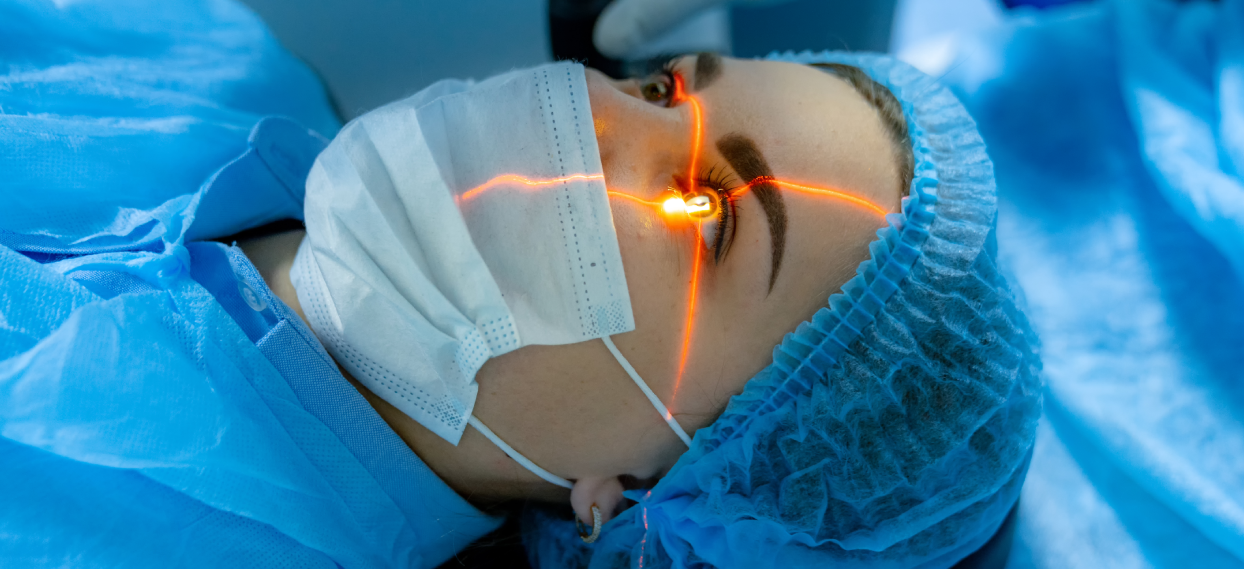
As with any surgical procedure, there are important points to keep in mind after SMILE laser treatment. Careful management of the recovery period is essential to support healthy healing and to help maintain visual quality.
In this article, the seven key considerations after SMILE laser are explained in a clear and accessible way. This content may be helpful for those who have recently undergone SMILE laser treatment or are considering it.
1. Avoid rubbing the eyes
After SMILE laser treatment, the eye tissue is in a healing phase. Mild stinging, dryness, or a foreign body sensation may be noticed in the first days. Although rubbing the eyes may feel instinctive, this behavior can irritate the cornea.
Applying pressure to the eyes in the early period may affect the incision area and increase the risk of irritation or infection. For this reason, keeping hands away from the eyes for at least a few days is generally advised.
2. Use prescribed eye drops regularly
Antibiotic and lubricating eye drops prescribed after the procedure are intended to support healing and help reduce the risk of infection. Using these drops at the recommended intervals and frequency is an important part of post-treatment care.
Skipping doses may slow the recovery process and increase the likelihood of unwanted complications. Consistent use supports the protective effect of the treatment plan.
3. Be cautious when showering in the first few days
In the early days after the procedure, direct contact of water with the eyes should be avoided. While showering, tilting the head back and preventing water from flowing directly into the eyes is generally recommended.
Tap water may contain microorganisms. When the incision area has not fully healed, such contact may increase the risk of infection.
4. Take a short break from eye makeup
Makeup products applied around the eyes may cause irritation if they come into contact with the ocular surface. In addition, friction during application or removal can negatively affect the healing process.
Avoiding eye makeup for the first 5–7 days is considered a protective and comfort-enhancing approach. Minimizing contact with the eye area supports smoother healing.
5. Wear sunglasses
After the procedure, the eyes may be more sensitive to light for a period of time. Wearing sunglasses outdoors can improve comfort during this phase.
Sunlight may increase discomfort and can be challenging for healing tissue. Sunglasses with UV protection offer useful support during recovery.
6. Avoid pools, the sea, and sauna environments
For the first 1–2 weeks, environments such as swimming pools, the sea, and saunas should generally be avoided. During this time, it is important that any liquid coming into contact with the eyes is clean and controlled.
Public water environments may increase the risk of eye infections. Contact with such settings while healing is ongoing may lead to complications.
7. Do not miss follow-up appointments
The SMILE laser process does not end with the procedure itself. Attending scheduled follow-up examinations is essential for monitoring recovery and identifying potential issues early.
Some minor concerns can only be detected through detailed examinations. Even if everything seems fine subjectively, clinical follow-up provides objective confirmation.
When should medical advice be sought?
The recovery period after SMILE laser treatment is generally comfortable and progresses quickly. However, certain symptoms may fall outside expected limits and should be evaluated without delay. Key warning signs include:
Persistent or severe eye pain
Mild stinging or burning sensations can be expected in the first days. If pain becomes more intense or does not improve over time, this may indicate inflammation, infection, or another complication and should be taken seriously.
Increasing blurred vision
It is normal for visual clarity to fluctuate in the early phase. However, if blurriness increases instead of improving, or if sudden visual changes occur, further assessment may be needed.
Yellow or green discharge
Mild watering or slight discharge can occur. Thick yellow or green discharge, however, may be a sign of infection and should not be ignored.
Flashes of light or floating spots
Sudden flashes, dark spots, or a curtain-like shadow in the visual field may signal a retinal issue. Although rare, such symptoms may require prompt evaluation.
Post-SMILE laser care plays an important role not only in short-term recovery but also in long-term visual comfort. Following recommended guidelines, attending follow-up visits, and seeking medical advice when unusual symptoms appear can help ensure a safe and well-managed recovery process.
Every eye, every individual, and every healing process is different. For this reason, regular medical follow-up and personalized guidance remain essential throughout the recovery period.