Eye Misalignment (Strabismus): Causes and Treatment Options
Eye misalignment, medically known as strabismus, is not only a cosmetic concern; it can also affect visual quality and overall eye function. It occurs when the two eyes are unable to focus on the same point at the same time. Strabismus may begin in childhood, but it can also develop in adulthood. In this article, the condition is explained step by step, including what strabismus is, why it occurs, available treatment approaches, and frequently asked questions about the process.

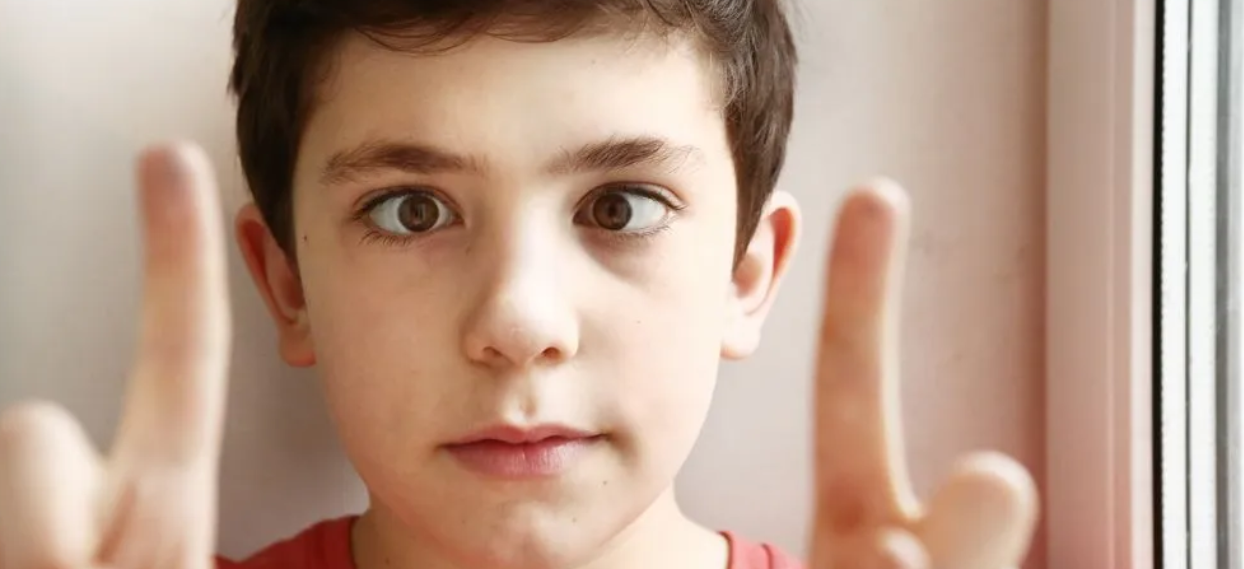
Vision is one of the most important senses for perceiving the surrounding world. In some cases, however, the two eyes may have difficulty focusing on the same point. This condition is medically known as strabismus and is commonly referred to as eye misalignment.
What Is Eye Misalignment (Strabismus)?
Eye misalignment, or strabismus, is a condition in which the eyes are unable to align and focus on the same point at the same time. It is often described as the eyes “turning” or “shifting.” This occurs when the eye muscles or the nerves that control eye movements do not work in proper coordination.
Under normal circumstances, both eyes focus on an object and the brain combines the images into a single, clear picture. In strabismus, one eye may look in a different direction, disrupting this balance.
The eye muscles are small but powerful structures that allow the eyeball to move in different directions. When these muscles work unevenly, alignment problems may occur. Disorders affecting nerve transmission can also contribute to this lack of coordination.
For this reason, strabismus is not only a cosmetic concern; it may also affect visual quality, depth perception, and overall daily functioning.
Eye misalignment can occur at any age. It is most often noticed during childhood, and early management plays an important role in long-term visual outcomes. In adults, strabismus may develop following trauma, neurological conditions, or previous eye disorders.
What Causes Eye Misalignment?
Strabismus may arise for different reasons and can affect individuals at various stages of life. Its causes range from congenital factors to conditions that develop later on.
Congenital Causes
In some individuals, strabismus is present from birth. Genetic predisposition, developmental abnormalities of the eye muscles, or complications during childbirth may play a role. A family history of similar conditions may increase the likelihood of occurrence.
Acquired Causes
Eye misalignment is not limited to childhood. In adults, trauma, eye injuries, or certain neurological conditions may lead to strabismus. In particular, disorders affecting the nerves that control eye muscles can interfere with coordinated eye movement.
Association With Systemic Conditions
Certain systemic health conditions may also contribute to the development of strabismus. For example, diabetes, hypertension, or thyroid-related disorders can affect the nerves or muscles around the eyes. In such cases, managing the underlying systemic condition is an important part of overall care.
What Are the Symptoms of Strabismus?
The signs of eye misalignment may vary from person to person. Some symptoms are easily noticeable, while others may be more subtle.
- In young children, double vision may not be expressed verbally. Squinting, tilting the head, or closing one eye can be important indicators.
- One eye appearing to turn inward, outward, upward, or downward while the other remains straight is a common sign.
- In adults, misalignment may cause double or overlapping vision due to the eyes focusing on different points.
- Activities such as reading or computer use may become visually challenging due to reduced clarity.
- Persistent effort by the eye muscles to compensate can lead to eye strain or headaches, especially toward the end of the day.
How Is Eye Misalignment Treated?
Strabismus does not progress in the same way in every individual, and treatment planning is therefore personalized. Factors such as age, the condition of the eye muscles, underlying causes, and visual response are taken into consideration.
Glasses and Prism Lenses
If eye misalignment is associated with refractive errors, corrective glasses may be the first step. In some cases, special prism lenses are used to reduce or manage double vision.
Eye Exercises
In certain mild cases or when related to specific nerve conditions, eye muscle exercises may be recommended. When performed under professional supervision, these exercises may support coordination in selected situations. However, they are not effective for all types of strabismus.
Surgical Treatment
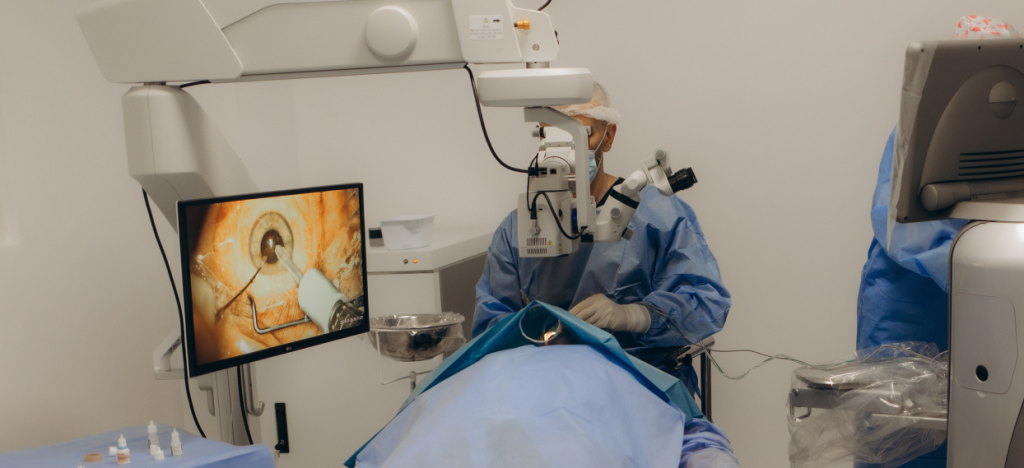
In more pronounced cases, or when other approaches are insufficient, surgical intervention may be considered. During surgery, the length or position of specific eye muscles is adjusted to improve alignment. While surgical outcomes are often favorable, results can vary depending on individual factors.
Post-Treatment Follow-Up
Regular follow-up is important after treatment, especially following surgery. Adaptation to the new eye position is monitored, and supportive approaches such as exercises or temporary prism lenses may be introduced if needed.
Importance of Early Intervention in Children
When strabismus appears during childhood, early recognition and management are especially important for visual development. Addressing the condition before amblyopia (lazy eye) develops may help reduce the risk of long-term visual impairment. For this reason, observing children’s eye movements and arranging timely evaluations is considered beneficial.