Is Smart Lens Surgery Suitable for Every Eye?
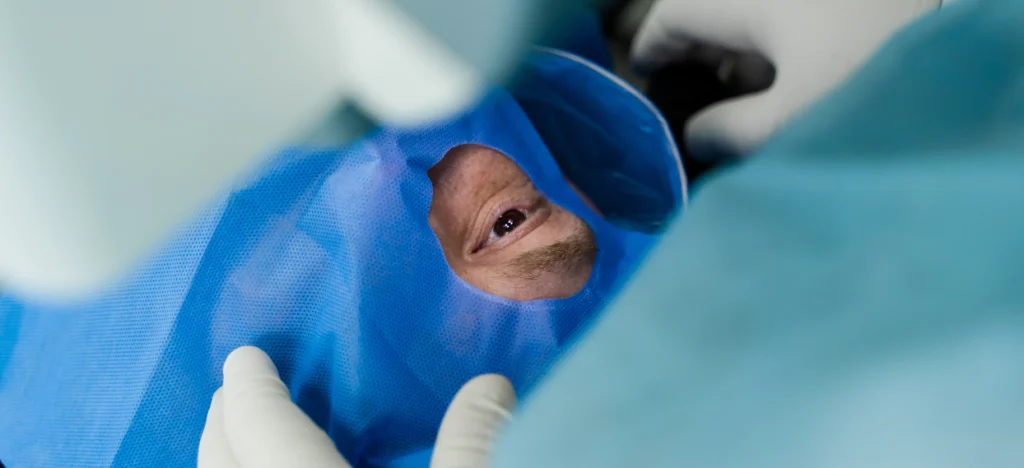
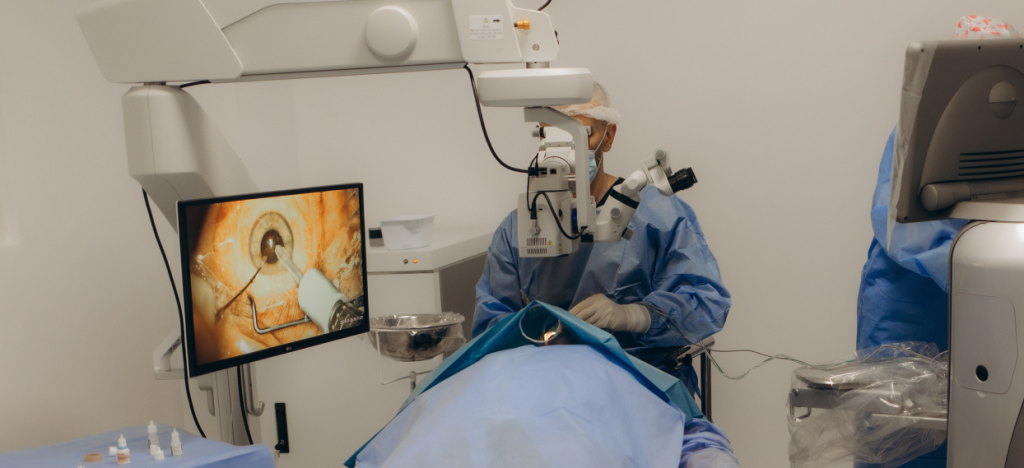
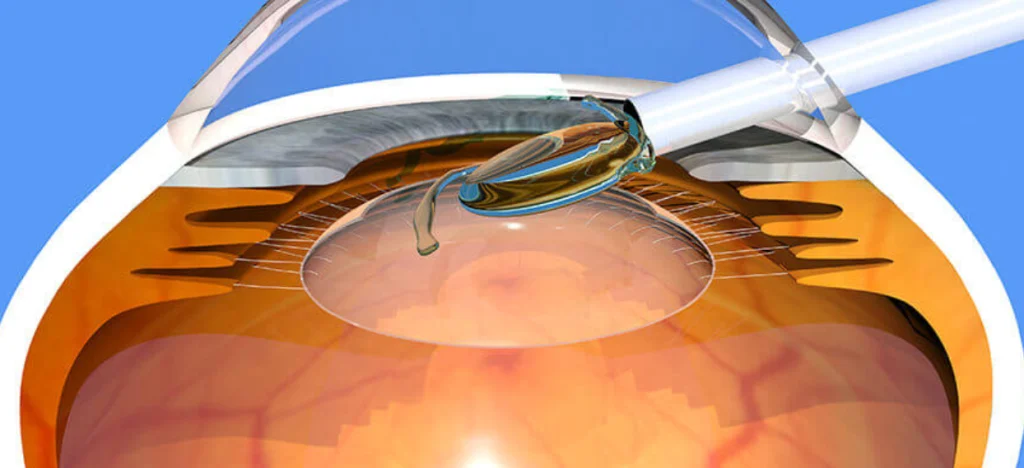
Smart lens surgery is a surgical treatment method performed by replacing the eye’s natural lens with a multifocal artificial intraocular lens. This procedure is generally preferred for individuals who experience both near and distance vision difficulties and do not wish to use glasses or contact lenses.

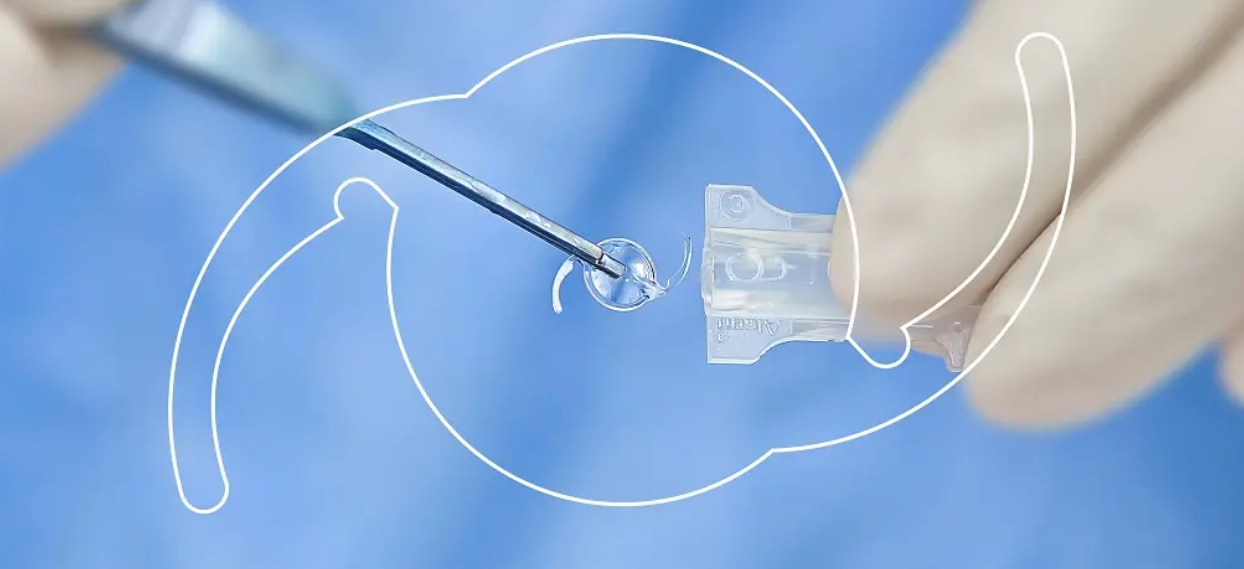
For many people who want to achieve clear vision without relying on glasses or contact lenses, “smart lens surgery” has become a frequently discussed treatment alternative in recent years. It stands out especially for individuals who experience both distance and near vision problems, as a method with the potential to improve quality of life.
In this article, all aspects of smart lens treatment are discussed in detail, including who may be suitable candidates, in which situations it may not be recommended, and the key points that should be considered before treatment.
What Is Smart Lens Surgery?
Smart lens surgery is a surgical treatment method performed by replacing the eye’s natural lens with a multifocal artificial intraocular lens. This procedure is generally preferred for individuals who have both near and distance vision problems and do not wish to use glasses or contact lenses.
In recent years, interest in this technology has increased as more people seek freedom from dependence on glasses or contact lenses. Especially with the rise of presbyopia (age-related difficulty seeing near objects) after the age of 40, smart lens surgery has become more widely discussed.
Why Has It Become So Popular?
- The fact that it offers a long-term solution and reduces the need to wear glasses in daily life increases the appeal of this method.
- With technological advancements, multifocal lenses have become more supportive of overall vision quality.
- Increased patient awareness and a preference for comfort-oriented lifestyles have made the search for personalized treatments more common, contributing to the popularity of this approach.
However, it should not be overlooked that this procedure is not suitable for every eye structure. Therefore, a detailed eye examination and specialist evaluation are of great importance before making a treatment decision.
Who Is Smart Lens Surgery Suitable For?
Smart lens surgery may be an effective option for individuals seeking independence from glasses or contact lenses while aiming to improve vision quality. However, determining whether this treatment is suitable requires a comprehensive evaluation by an ophthalmology specialist. Below are detailed explanations of who may be considered suitable for this procedure.
1. Individuals Over the Age of 40 with Presbyopia
Presbyopia is a natural process associated with aging and typically causes difficulty seeing near objects after the age of 40. Reading newspapers, using a phone, or viewing a computer screen at close range may become challenging.
Smart lens surgery has the potential to provide clearer vision at both near and far distances in individuals experiencing this issue. It offers a comfortable alternative, particularly for those who are bothered by frequently switching between different pairs of glasses.
Daily life conveniences may include:
- Improved clarity during near activities such as reading and smartphone use
- Elimination of the need to carry and change glasses
- Reduction of aesthetic concerns related to glasses
2. Individuals with Cataracts
Cataracts occur when the eye’s natural lens loses its transparency, significantly affecting vision quality. The treatment is surgical; during this process, the clouded natural lens is removed and replaced with an artificial intraocular lens.
Smart lens surgery may be preferred during cataract surgery. In this way, cataract treatment and correction of both near and distance vision needs can be addressed at the same time.
What is the advantage?
- Multifocal vision support can be achieved with a single surgical procedure
- Vision quality may improve while reducing dependence on glasses
3. Those Who Are Uncomfortable Using Glasses or Contact Lenses
For some individuals, using glasses or contact lenses may be uncomfortable in daily life. This discomfort may stem from physical inconvenience or aesthetic concerns.
Smart lens surgery may offer a freer and more comfortable visual experience for these individuals. It may be of interest especially to those with active lifestyles or those who prefer not to wear glasses for aesthetic reasons.
Motivations for reducing dependence on glasses may include:
- Continuing daily activities without wearing glasses
- A change in aesthetic appearance
- An alternative for individuals who cannot tolerate contact lenses due to dry eye
4. Those Who Want Clear Vision at Both Near and Distance
With single-focus lenses, it is possible to see clearly at only one distance. However, modern life often requires clear vision at multiple distances.
Smart lens surgery, using multifocal or trifocal lens technologies, may help meet this need. With a single lens, clearer vision at different distances may be achieved.
Advantages of multifocal and trifocal lenses include:
- Clearer vision at near, intermediate, and far distances
- Reduced need for glasses
- Greater comfort during activities such as reading, driving, and computer work
5. Individuals with Suitable Eye Anatomy
Smart lens surgery may not be suitable for everyone. Many factors determine suitability, including eye anatomy, corneal thickness, retinal health, and intraocular pressure. Therefore, a detailed eye examination by a specialist is essential.
Evaluation criteria include:
- Overall condition of intraocular structures and eye health
- Status of the retina, macula, and cornea
- Presence of existing eye conditions (such as diabetic retinopathy)
It should be emphasized that this procedure is not merely a personal preference, but a medical process that must be decided based on clinical suitability.
Who Is Smart Lens Surgery Not Suitable For?
Smart lens surgery may offer a comfortable visual experience for many individuals, but like all medical procedures, it may not be suitable for everyone. Suitability is determined through detailed evaluation of eye structure and overall eye health. Below are some situations in which the procedure is generally not recommended.
This information is provided for medical guidance purposes and does not replace individual diagnosis. The most accurate decision is made through a comprehensive examination by an ophthalmology specialist.
1. Individuals with Diabetic Retinopathy and Similar Retinal Diseases
The retina is a fundamental structure for clear vision. In individuals with retinal diseases such as diabetic retinopathy, retinal health may be compromised, and the expected outcome of smart lens surgery may not be achieved.
Why caution is needed:
- Retinal damage may limit the effectiveness of lens implantation
- Vision quality may not improve as expected
- Retinal treatment may need to be prioritized
2. Individuals with Advanced Glaucoma
Glaucoma affects the optic nerve due to increased intraocular pressure. In advanced cases, surgical interventions must be carefully planned.
Why suitability may be limited:
- Postoperative pressure balance may change unpredictably
- Intraocular structures may be more sensitive
- If intraocular pressure is not well controlled, the procedure may be postponed
3. Individuals with Corneal Damage or Structural Problems
The cornea is the transparent layer at the front of the eye. For smart lenses to function effectively, the corneal structure must be healthy.
Key evaluation factors include:
- Corneal thickness and shape
- Existing deformities or scars
- Effects of previous eye surgeries
Every individual’s eye structure and health condition is different. Therefore, smart lens surgery should only be recommended or ruled out after a detailed examination and professional assessment by an eye specialist.
Pre-Treatment Evaluation Process
The success of smart lens surgery is closely related not only to surgical technique but also to the detailed preparation process before treatment. Since every eye structure is different, a comprehensive evaluation is required before making a treatment decision.
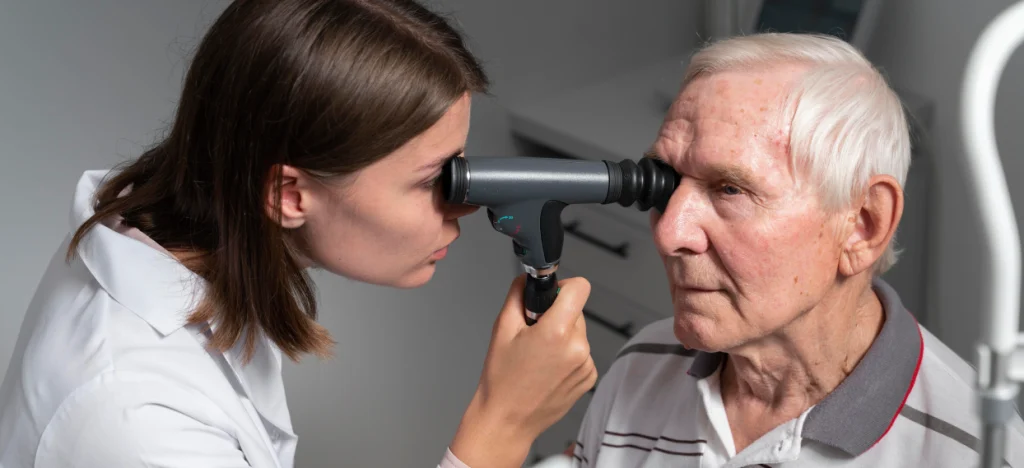
During the pre-treatment process, not only the degree of visual impairment but also the anatomical and physiological structure of the eye is examined in detail. Common diagnostic tests include:
- Biomicroscopy: Microscopic evaluation of the anterior segment of the eye (cornea, iris, lens)
- Biometric Measurement: Precise measurement of axial length, corneal curvature, and intraocular structures to calculate the appropriate intraocular lens
- Retinal Assessment: Detailed evaluation of retinal and macular health, which plays a key role in postoperative visual quality
- Intraocular Pressure Measurement: Assessment of glaucoma risk
- Tear Film Quality Tests: Evaluation of ocular surface moisture and tear stability
The data obtained during these examinations are used not only to assess existing visual conditions but also to anticipate postoperative visual comfort.
Decisions regarding eye health should be based not only on technical findings, but also on expectations, lifestyle, and overall eye structure. Therefore, individuals considering smart lens surgery are advised to undergo a comprehensive evaluation and receive personalized recommendations from an eye health specialist.öz sağlığı uzmanından almanız önerilir.