Can Permanent Vision Loss Be Prevented If Glaucoma Is Diagnosed Early?
Glaucoma is a progressive eye condition that can damage the optic nerve and may lead to permanent vision loss over time. In this article, key topics from underlying causes to general treatment approaches are explained in a clear, reliable, and informative manner.

Glaucoma, commonly referred to as eye pressure, is an eye condition that can lead to permanent vision loss if left untreated. This content provides an overview of what glaucoma is, why early diagnosis plays a critical role, and how glaucoma management is generally approached from a medical perspective.
What Is Glaucoma?
Glaucoma is a condition associated with increased intraocular pressure, which develops when the balance between the production and drainage of the fluid inside the eye is disrupted. Over time, elevated pressure may damage the optic nerve, potentially leading to irreversible vision impairment.
Because glaucoma often progresses slowly and without noticeable symptoms in its early stages, it is frequently described as a “silent thief of sight.” Vision field narrowing may only become noticeable once the condition has reached an advanced stage. For this reason, early detection is considered essential for protecting optic nerve health.
Glaucoma is generally classified into two main types:
- Open-angle glaucoma is the most common form and typically develops gradually. In this type, eye fluid does not drain efficiently through the drainage channels, causing pressure to increase over time.
- Angle-closure glaucoma may occur with a sudden rise in intraocular pressure and can require urgent medical attention. This form is often associated with symptoms such as severe eye pain, blurred vision, headache, or nausea.
In both forms, timely diagnosis plays a key role in planning appropriate management strategies.
Can Glaucoma Lead to Permanent Blindness If Not Diagnosed Early?
Glaucoma can progress quietly, gradually affecting the optic nerve without causing early discomfort or obvious visual changes. When intraocular pressure remains elevated for an extended period, permanent optic nerve damage may occur.
As the condition advances, the visual field may progressively narrow. Once vision loss develops due to optic nerve damage, it cannot be reversed. This is why glaucoma is considered a serious condition that requires careful monitoring.
Early diagnosis allows for timely intervention aimed at controlling eye pressure and slowing disease progression. While existing damage cannot be undone, further vision loss may be reduced or delayed with appropriate management.
Why Is Early Diagnosis So Important?
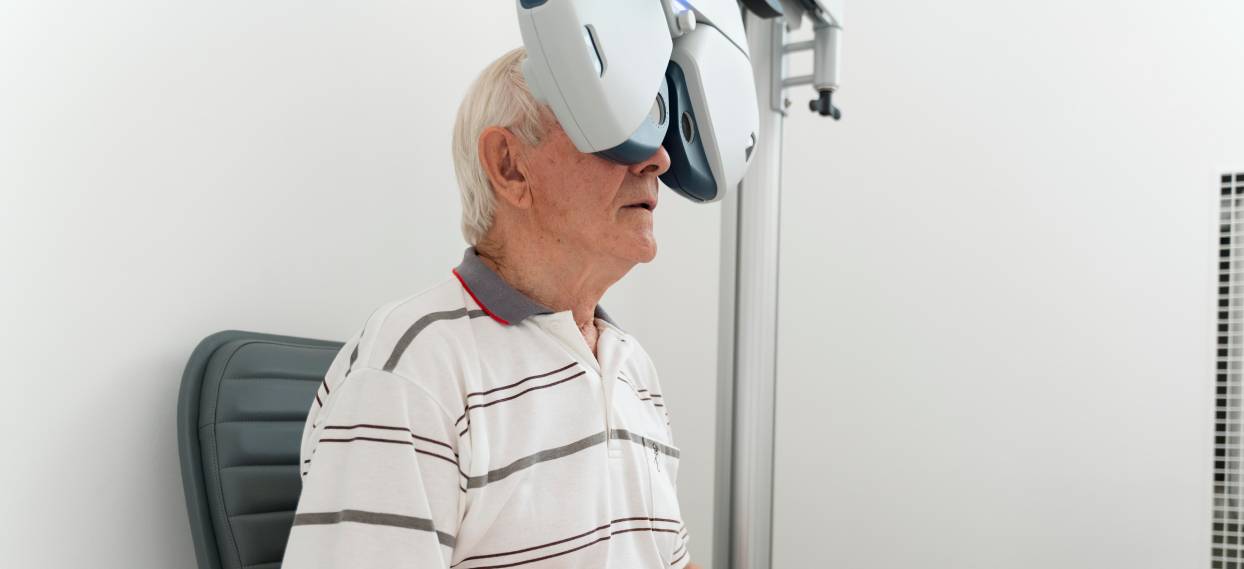
Early detection is one of the most effective ways to help preserve vision in glaucoma. Routine eye examinations may include:
- Measurement of intraocular pressure
- Evaluation of the optic nerve
- Visual field testing
- Advanced imaging techniques to monitor structural changes
When glaucoma is identified at an early stage, treatment options such as medicated eye drops, laser procedures, or surgical approaches may be considered to help manage eye pressure and reduce the risk of further optic nerve damage.
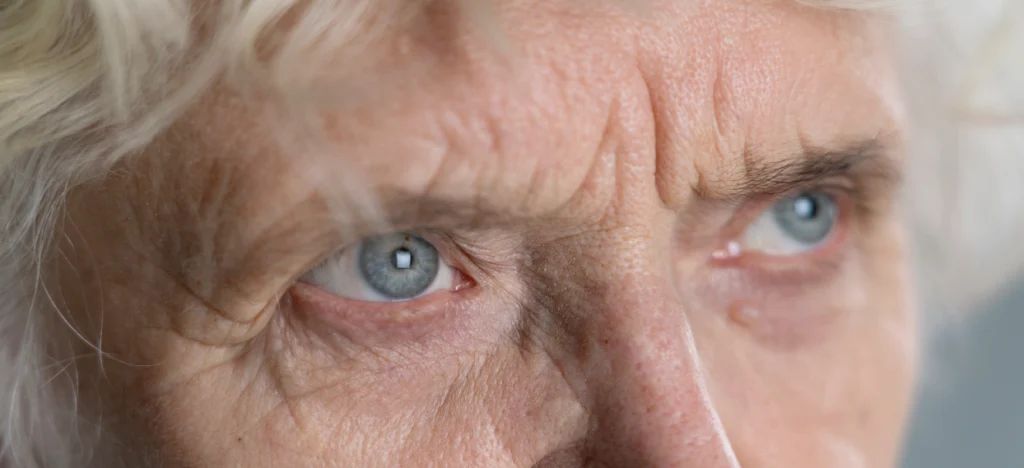
“Glaucoma Can Progress Without Symptoms”
Because glaucoma often does not cause noticeable symptoms in its early phases, routine eye examinations play a crucial role. Individuals with certain risk factors—such as increasing age, family history of glaucoma, or systemic conditions like diabetes or hypertension—are commonly advised in medical guidelines to undergo regular eye evaluations.
Is Glaucoma a Contagious Condition?
Glaucoma is not contagious. It does not spread through contact, air, or shared environments. The condition develops due to internal eye pressure dynamics rather than infection.
However, glaucoma may appear more frequently within families due to genetic predisposition. A family history of glaucoma is considered a recognized risk factor, which highlights the importance of regular eye examinations in individuals with such background.
Are Glaucoma Eye Drops Used for Life?
Glaucoma is generally considered a chronic condition, and management often requires long-term follow-up. Medicated eye drops are commonly used to help lower intraocular pressure by either reducing fluid production or improving fluid outflow from the eye.
In many cases, eye drop therapy may be required on an ongoing basis, depending on how the condition responds to treatment and how pressure levels are maintained over time. Treatment plans are typically adjusted based on regular examinations and clinical findings.
Importance of Regular Use and Follow-Up
Consistent use of prescribed glaucoma medications is considered essential for effective pressure control. Irregular use may allow eye pressure to rise again, increasing the risk of optic nerve damage.
Regular follow-up examinations help assess treatment effectiveness and determine whether adjustments are needed.
Side Effects and Alternative Treatment Options
Some individuals may experience side effects from glaucoma eye drops, such as redness, burning, or irritation. In such cases, treatment regimens may be reviewed and modified by an eye care professional.
If medication alone does not provide sufficient pressure control, other options—such as laser therapy or surgical procedures (including trabeculectomy or drainage implants)—may be considered based on clinical evaluation. The suitability of these approaches depends on individual eye structure, disease stage, and overall eye health.
Glaucoma management focuses on early detection, careful monitoring, and appropriate intervention to help protect long-term visual function.