Cataract: What You Should Know with Op. Dr. Murat Ün
Cataract is a condition that develops when the eye’s natural lens gradually loses its transparency over time.
With many years of experience in ophthalmology and eye surgery, Op. Dr. Murat Ün provides clear, reliable information and professional guidance on common eye conditions such as cataract, helping individuals better understand the condition and available management approaches.

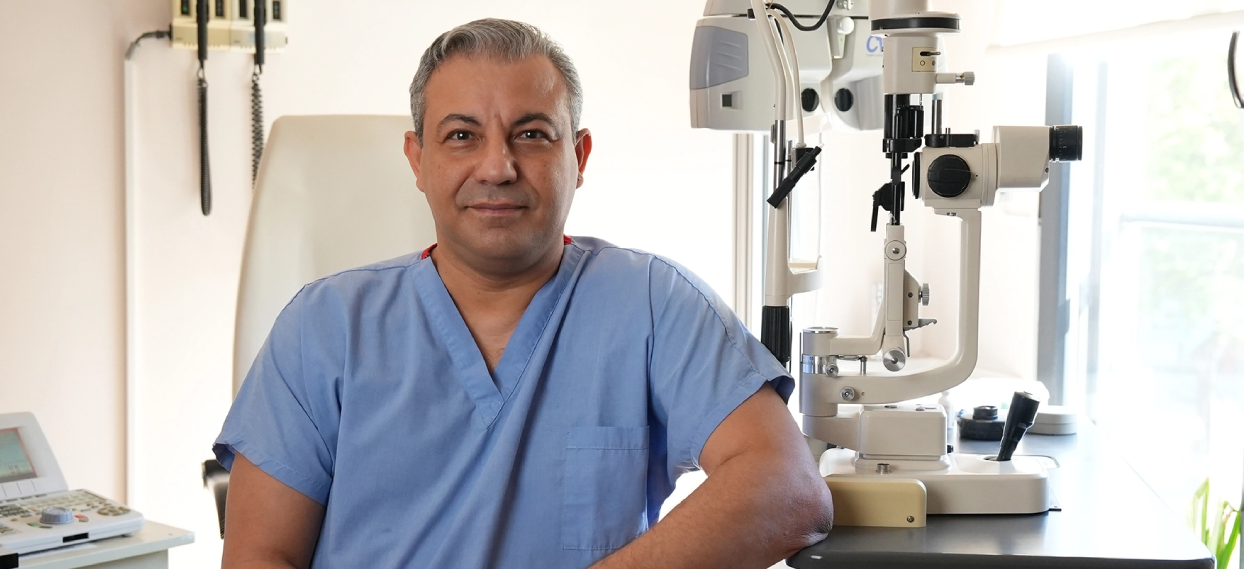
Vision is one of the senses used most throughout daily life—often without even noticing it. For this reason, even minor changes in the eyes can affect everyday activities. With many years of experience in ophthalmology and eye surgery, Dr. Murat Ün provides clear information and professional guidance on common eye conditions such as cataract.
What Is Cataract?
Cataract is an eye condition in which the eye’s natural lens gradually loses its transparency. When the lens becomes cloudy, light can no longer focus clearly on the retina. This may lead to changes such as blurred vision, faded colors, or increased sensitivity to light.
What Are the Symptoms of Cataract?
Cataract-related changes can vary from one individual to another. Commonly described signs include:
- Blurred or misty vision
- Colors appearing dull or faded
- Discomfort when looking at bright lights or reflective surfaces
- Difficulty with night vision
- Trouble reading or seeing fine details
- Frequent changes in eyeglass prescriptions
These findings do not always indicate cataract on their own. Similar visual changes may also be associated with other eye conditions, which is why evaluation by an eye care professional is important.
Why Is Early Detection Important?
Cataract usually progresses slowly over time. Early identification allows the condition to be monitored and, when appropriate, treatment options to be planned in a timely manner. Routine eye examinations can help detect not only cataract but also other eye conditions at an earlier stage.
Causes and Risk Factors of Cataract
Aging is the most common factor associated with cataract development. Over time, structural changes in the proteins of the natural lens may reduce its clarity. Dr. Murat Ün emphasizes that this is a natural process, though the rate of progression can vary.
Factors commonly discussed in relation to cataract include:
- Age-related changes: More frequently observed after the age of 60, though it may also appear earlier
- Eye injuries: Trauma, previous eye surgeries, or intraocular inflammation
- Genetic predisposition: A family history of cataract
- Other eye conditions: Such as glaucoma or uveitis
- Systemic conditions: Including diabetes
- Long-term medication use: Especially prolonged corticosteroid use
- UV exposure: Extended, unprotected exposure to sunlight
These factors do not guarantee cataract development but may influence the likelihood of its occurrence. Regular eye examinations help with ongoing assessment.
Current Approaches to Cataract Management
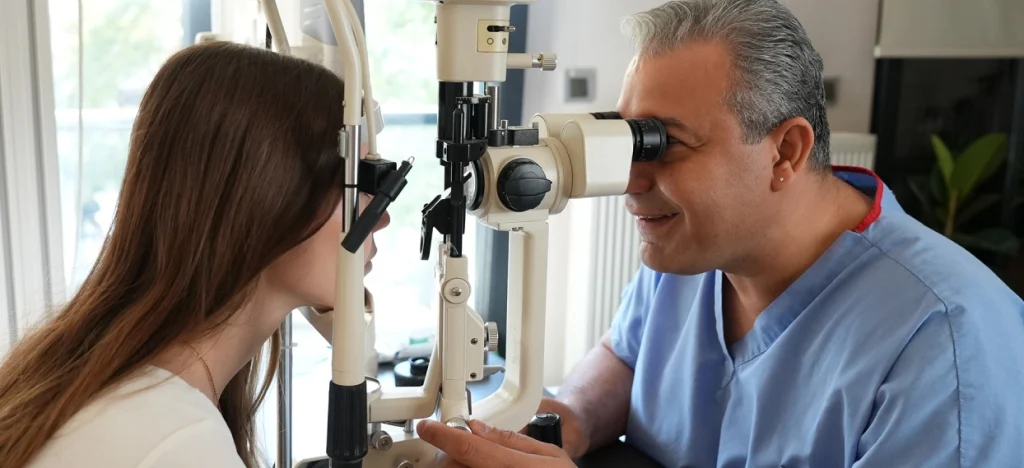
Cataract management is planned individually, based on detailed examination and diagnostic testing. Dr. Murat Ün highlights that the primary goal is to support visual function in daily life through the most appropriate approach.
Modern Surgical Techniques
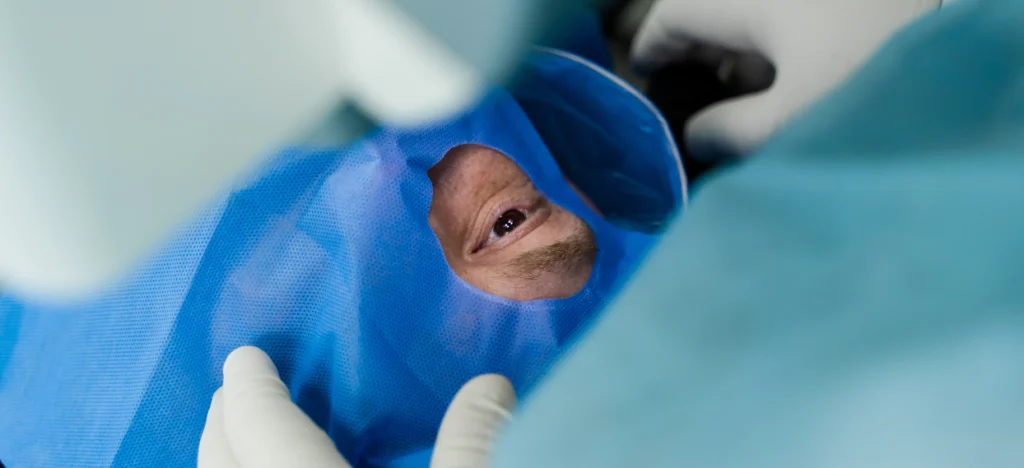
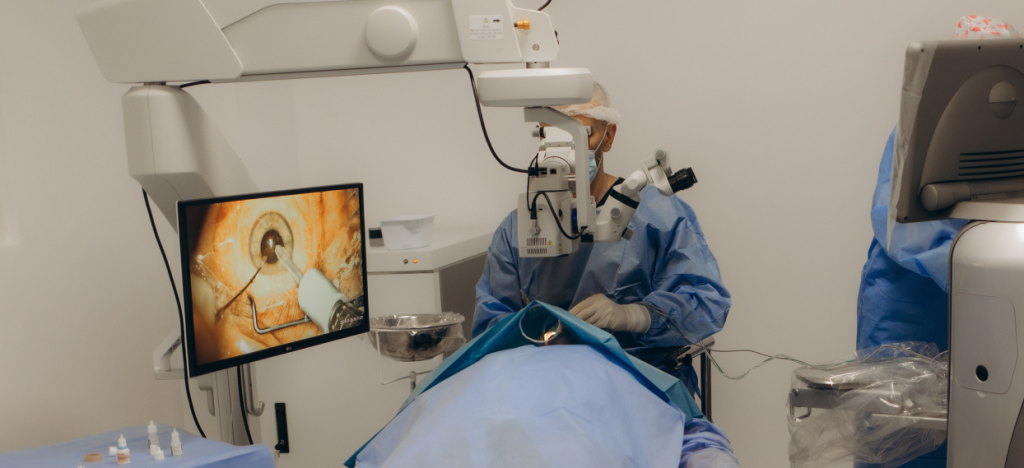
Today, the most commonly used approach involves removing the clouded natural lens and replacing it with an artificial intraocular lens. This procedure is typically performed through very small incisions and often does not require sutures. Advances in technique may allow for a shorter recovery period compared to earlier methods.
Laser-Assisted Cataract Surgery
In selected cases, laser technology may be used during certain stages of the procedure to enhance precision. Dr. Murat Ün notes that laser-assisted methods are not necessary or suitable for every case; suitability is determined during examination.
Patient Comfort and the Procedure
Cataract surgery is usually performed under local anesthesia. The duration of the procedure can vary depending on overall eye health and the stage of cataract development. Post-procedure care focuses on protecting the eye and using prescribed drops as directed.
Recovery After Cataract Surgery
Recovery can differ depending on the technique used and individual factors. According to Dr. Murat Ün, following medical guidance closely plays a key role in the healing process.
Early Postoperative Care
General recommendations may include:
- Avoiding eye rubbing and protecting the eye from impact
- Using prescribed eye drops regularly
- Limiting heavy lifting and intense physical activity initially
- Avoiding dusty or unclean environments
When Does Vision Improve?
Visual clarity often begins to improve within the first few days, though full stabilization may take longer. Some individuals notice rapid improvement, while for others it may take several weeks.
Importance of Follow-Up Visits
Postoperative check-ups help assess healing, eye pressure, and the effectiveness of medications. Dr. Murat Ün emphasizes that attending scheduled follow-ups supports both short- and long-term eye health.
Frequently Asked Questions
Is cataract surgery painful?
The procedure is generally performed under local anesthesia, so pain is not expected. Some individuals may notice mild pressure, which is typically temporary.
Is eyeglass use needed after surgery?
This depends on the type of intraocular lens selected and individual eye characteristics. In some cases, glasses may still be used for certain distances. This is discussed during preoperative evaluation.
How long does the surgery take?
The surgical part often lasts about 10–20 minutes, though total time at the clinic may be longer due to preparation and postoperative observation.
When managed at the appropriate time and with suitable methods, cataract treatment can help reduce vision-related limitations that affect daily life. Because every situation is unique, management plans are always individualized.
For further information or to request an examination, contact details for Dr. Murat Ün’s clinic can be used to arrange an appointment.