Early-Onset Cataract: Causes, Symptoms, and Treatment Options
Katarakt im jungen Alter entsteht durch den Verlust der Transparenz der Augenlinse und kann sich unter anderem durch verschwommenes Sehen, eine erhöhte Lichtempfindlichkeit oder ein Nachlassen der Farbintensität bemerkbar machen. Eine frühzeitige Erkennung kann dazu beitragen, die Auswirkungen der Erkrankung auf den Alltag zu reduzieren.

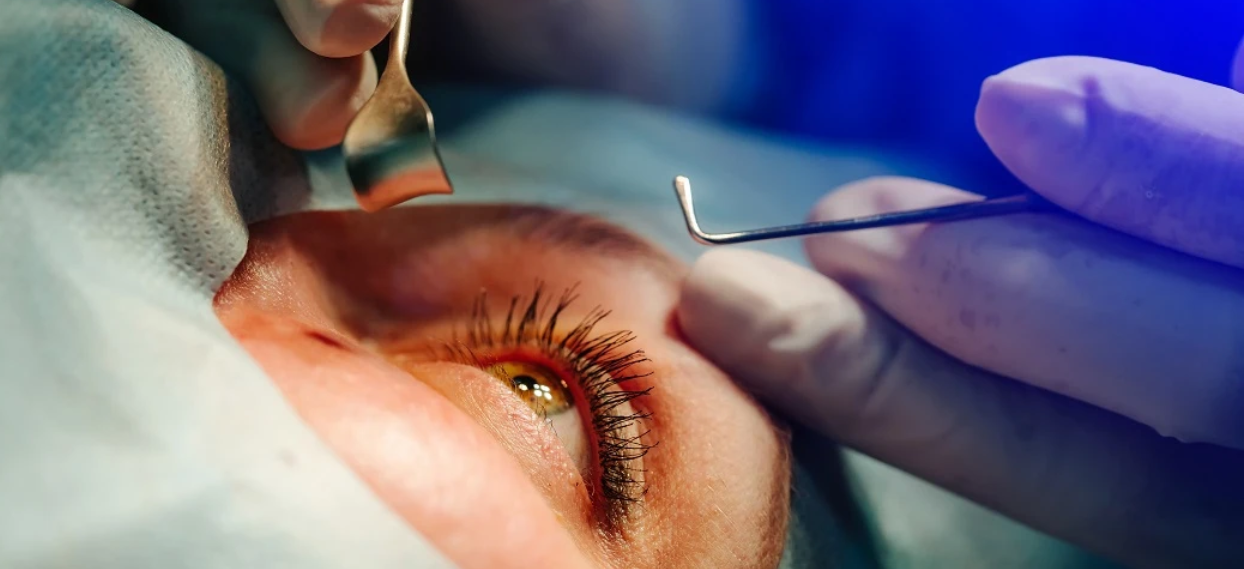
Cataract is commonly associated with older age, but this is not always the case. In some individuals, cataract can develop at a younger age. This condition is referred to as early-onset cataract and, contrary to common belief, it may affect not only older adults but also younger individuals.
So, what causes cataract at a young age, how can it be recognized, and which treatment options are considered? Below, the condition is explained step by step, including its causes, signs, and general treatment approach.
What Is Cataract?
Cataract is a condition in which the eye’s natural lens gradually loses its transparency. Under normal circumstances, the lens focuses incoming light clearly onto the retina, allowing sharp vision. When the lens becomes cloudy or opaque, light can no longer pass through properly, which may reduce visual clarity.
During the cataract process, the lens may appear similar to fogged glass. This can be associated with changes such as blurred vision, faded color perception, sensitivity to light, and difficulty seeing at night.
Although cataract is more frequently observed later in life, it can also occur earlier. Early-onset cataract may be associated with genetic factors, eye injuries, metabolic conditions, or long-term medication use. For this reason, cataract should not be considered exclusively an age-related condition.
What Causes Early-Onset Cataract?
While cataract is most often linked to aging, it can also develop at a younger age due to various factors. The underlying cause may differ from one individual to another.
Genetic Factors
Cataract may be related to hereditary characteristics. A family history of cataract at a younger age may increase the likelihood of the lens losing transparency earlier in life. Genetic predisposition is considered an important factor in early-onset cataract.
Congenital Cataract
Some individuals are born with cataract. This may be associated with infections during pregnancy, inherited metabolic conditions, or genetic mutations. Congenital cataract can influence visual development, which makes early detection particularly important.
Eye Trauma
Blunt or penetrating injuries to the eye can alter the structure of the lens. Trauma-related cataract may develop after accidents or, in some cases, following ocular surgical procedures. In younger individuals, traumatic cataract may lead to noticeable changes in vision and requires careful monitoring.
Long-Term Medication Use
Certain medications, especially corticosteroids, may affect lens clarity when used over extended periods. The cumulative effect of these medications can contribute to the development of cataract at a younger age. Regular eye examinations are generally recommended in such cases.
Metabolic Conditions
Systemic conditions such as diabetes may influence the transparency of the eye’s lens. Fluctuations in blood glucose levels can alter the lens structure and contribute to earlier cataract formation. Other metabolic disorders may also play a role.
Symptoms of Early-Onset Cataract
Early-onset cataract can lead to gradual changes in vision. These changes may initially be subtle but can become more noticeable over time.
Commonly reported signs include:
- Blurred or hazy vision, making reading or distance viewing more difficult
- Increased sensitivity to light, particularly bright sunlight or vehicle headlights at night
- Dull or faded colors, with reduced contrast
- Frequent changes in glasses prescription, due to fluctuating visual clarity
- Difficulty with night vision, including glare or light scattering
These symptoms are not specific to cataract alone, as other eye conditions may present in a similar way. Therefore, a comprehensive eye examination is required for accurate assessment.
Cataract is generally not associated with pain. However, discomfort related to light sensitivity may occur. In more advanced stages, the pupil may appear grayish or whitish in color.

How Is Cataract Diagnosed in Younger Individuals?
Although early-onset cataract may be suspected based on symptoms, a definitive diagnosis requires a detailed ophthalmic examination.
The evaluation typically begins with a comprehensive eye exam, including visual acuity testing and assessment of refractive status. This helps determine how vision is affected.
One of the key diagnostic tools is slit-lamp (biomicroscopic) examination, which allows direct visualization of the lens under magnification. Through this method, the presence, type, and extent of lens opacity can be identified.
In certain cases, additional tests such as retinal examination or ocular ultrasound may be performed, particularly if lens opacity limits the view of the back of the eye. These tests help ensure that other ocular structures are also properly evaluated.
Treatment Options for Early-Onset Cataract
Treatment planning for early-onset cataract depends on several factors, including the severity of lens opacity, the level of visual impact, age, and overall ocular health.
When cataract progresses to the point of significantly affecting vision, surgical intervention is considered the definitive treatment. Commonly used approaches include:
Phacoemulsification (Phaco)
This is the most widely used cataract surgery technique. Through a small incision, ultrasonic energy is applied to break up the cloudy lens, which is then removed. A clear artificial intraocular lens (IOL) is implanted in its place.
Femtosecond Laser–Assisted Cataract Surgery
In selected cases, femtosecond laser technology may be used for certain steps of the procedure, such as creating incisions or fragmenting the lens. This approach allows for a high level of precision in appropriate candidates.
Intraocular Lens (IOL) Options
Different types of artificial lenses may be selected based on ocular measurements and visual needs:
- Monofocal lenses, primarily for distance vision
- Multifocal lenses, designed to support both near and distance vision
- Toric lenses, intended for individuals with astigmatism
The choice of technique and lens type is determined following a detailed preoperative evaluation and individualized planning.
Recovery After Cataract Surgery
Recovery following cataract surgery is generally smooth when postoperative recommendations are followed. Modern techniques allow the procedure to be completed in a short time, but careful aftercare remains important.
Temporary sensations such as mild irritation, tearing, or blurred vision may occur shortly after surgery. During the recovery period, general recommendations often include:
- Avoiding eye rubbing
- Using prescribed eye drops as directed
- Staying away from dusty or contaminated environments
- Limiting heavy lifting and strenuous activity in the early days
- Wearing protective eyewear outdoors when needed
Visual improvement is often noticed within the first few days, although full stabilization may take several weeks and can vary between individuals.
Follow-up examinations are an important part of postoperative care. During these visits, factors such as intraocular pressure, lens position, and visual acuity are monitored to ensure appropriate healing and timely identification of any issues.
Cataract treatment, when planned and performed using modern approaches, may help restore visual clarity and improve daily functioning. Each case is unique, and management should always be based on individualized evaluation and clinical findings.
For further information about cataract surgery and preoperative assessment, consultation with an ophthalmology specialist may be considered.atı hakkında detaylı bilgi almak ve ön muayene randevusu oluşturmak için bizimle iletişime geçebilirsiniz.