

Intraocular Pressure Treatment: What Is Glaucoma and How Is It Managed?
Glaucoma is a disease that damages the optic nerve due to increased intraocular pressure and can lead to permanent vision loss if left untreated. Early diagnosis is crucial for preventing blindness.
15,000+ Successful Eye Surgeries
Private Insurance Accepted
20+ Years of Experience
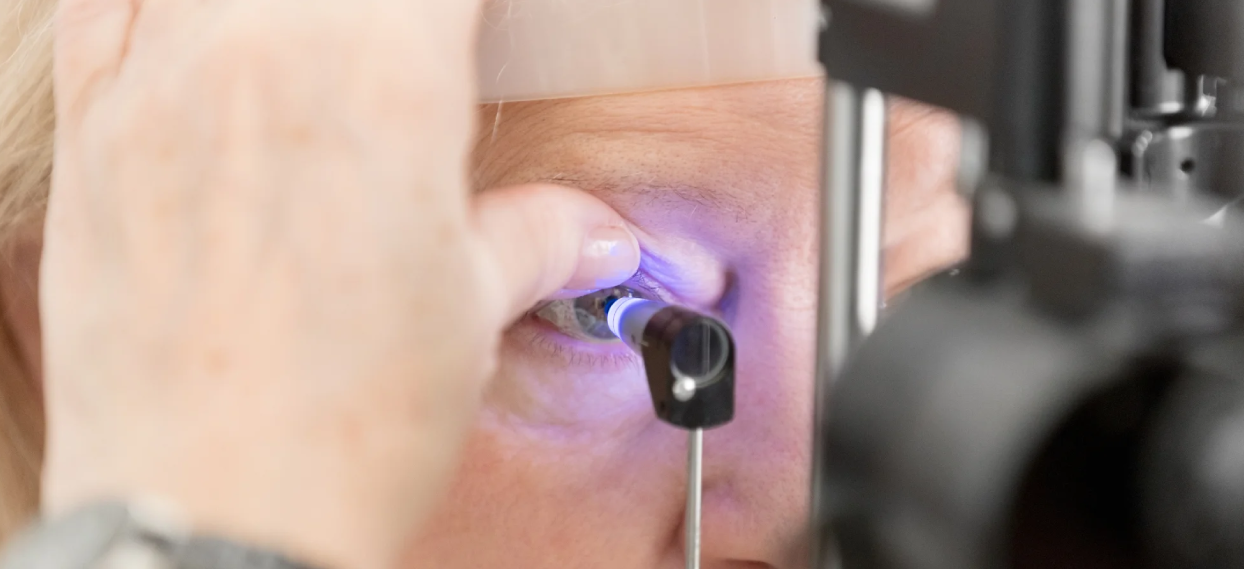
Glaucoma is a progressive eye condition in which elevated intraocular pressure may damage the optic nerve and, if left untreated, can lead to permanent vision loss. Early detection is considered essential for protecting long-term visual function.
What Is Glaucoma (Intraocular Pressure)?
Glaucoma—commonly referred to as “eye pressure”—is a progressive eye disease that may harm the optic nerve when intraocular pressure increases. This rise in pressure can occur when the fluid produced inside the eye does not drain adequately. Over time, it may cause narrowing of the visual field and, without appropriate management, may result in permanent vision loss.
Because many types of glaucoma progress silently, symptoms may not be noticeable for a long time. For this reason, regular eye examinations play an important role in early diagnosis and timely initiation of glaucoma management.
Why Does Intraocular Pressure Increase?
Glaucoma is often associated with an imbalance in the eye’s fluid dynamics. When the fluid inside the eye cannot be drained effectively, intraocular pressure may rise. This may place stress on the optic nerve and affect visual function.
Factors that may contribute include:
- Impaired fluid balance: A disruption between fluid production and drainage may lead to increased pressure.
- Genetic predisposition: A family history of glaucoma may be associated with higher risk.
- Advancing age: Age-related changes in ocular structures may increase risk.
- Certain health conditions: Systemic conditions such as diabetes or hypertension may influence glaucoma risk.
- Long-term corticosteroid use: Steroid eye drops or systemic corticosteroids may affect intraocular pressure.
Because risk factors can vary, routine follow-up is important. Early evaluations help support timely, individualized planning within clinical guidelines.
How Is Glaucoma Diagnosed?
Since glaucoma often progresses slowly, it may not cause noticeable symptoms in the early stages. Regular eye examinations are therefore important for identifying glaucoma at an earlier phase. Diagnosis typically involves multiple measurements and assessments.
Common diagnostic methods include:
- Intraocular Pressure Measurement (Tonometry): Measures eye pressure and is often a first step in risk assessment.
- Visual Field Testing: Helps detect narrowing or loss within the visual field; glaucoma-related changes often begin in peripheral vision.
- Optic Nerve and Retina Evaluation: Examination of the optic nerve head and retinal structures can reveal changes associated with glaucoma.
These tests can help detect early findings and guide an appropriate monitoring plan. Treatment planning is usually shaped by the overall clinical evaluation.
What Treatment Options Are Used for Glaucoma?
Because glaucoma can affect the optic nerve, it typically requires regular follow-up and an individualized management plan. The choice of treatment depends on factors such as disease stage, intraocular pressure level, and optic nerve findings. The main goal is to control intraocular pressure and slow progression.
Common treatment options include:
- Medication (Eye Drops): Often the first-line approach. Drops that help lower intraocular pressure usually require regular use and medical follow-up.
- Laser Treatments (e.g., Selective Laser Trabeculoplasty – SLT): Laser procedures aim to improve fluid outflow and lower pressure. They may be considered when medication response is insufficient or as part of a broader plan.
- Surgical Procedures (Trabeculectomy, Tube Implants): When medications and laser treatments are not adequate, surgery may be considered to improve drainage and achieve better pressure control.
Treatment plans are based on clinical findings, so regular check-ups remain important when glaucoma is suspected or diagnosed.
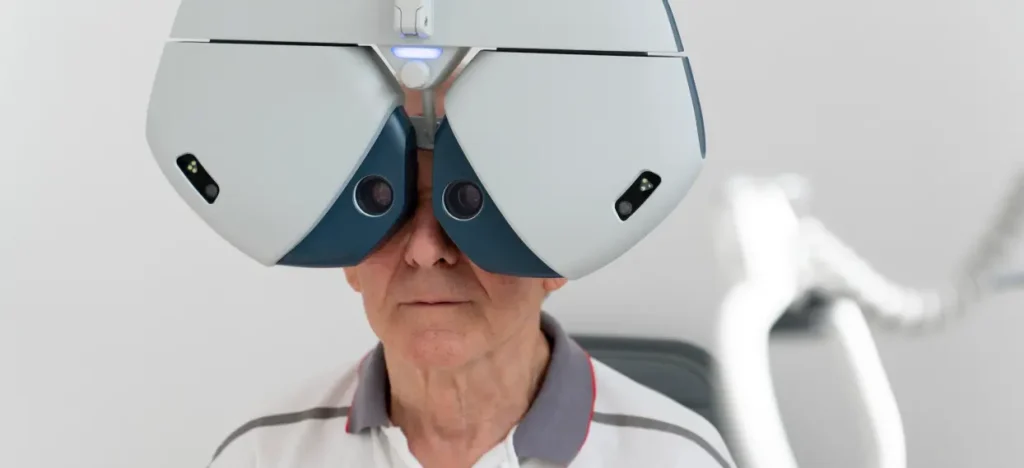
Which Glaucoma Treatment May Be Considered in Different Cases?
Treatment selection is determined by disease severity and overall health factors, and plans are individualized because eye structure and disease course can differ between cases.
Treatment pathways are often discussed in the following general categories:
- Mild Glaucoma: Often managed with pressure-lowering eye drops, with regular follow-up.
- Moderate Glaucoma: Laser options such as SLT may be considered in addition to drops, and may help reduce medication requirements in some cases.
- Advanced Glaucoma: If medication and laser treatments are not sufficient, surgery (e.g., trabeculectomy or tube implants) may be considered to achieve longer-term pressure control.
The most appropriate method can only be determined through an ophthalmologist’s assessment. Regular monitoring and individualized planning are key components of glaucoma care.
Why Is Early Detection Important?
Glaucoma may progress slowly and without noticeable symptoms. Early detection is therefore important for timely management. Elevated intraocular pressure can damage the optic nerve over time, but regular examinations may allow earlier recognition and help slow progression.
Potential benefits of early detection include:
- Supporting long-term eye health
- Reducing the risk of unwanted outcomes such as permanent visual field loss
- Identifying even symptom-free glaucoma types in a timely manner
- Allowing more effective planning of treatment options
Routine eye examinations are especially important for risk groups (e.g., those with a family history of glaucoma or individuals over age 40).
Potential Benefits of Glaucoma Management
Glaucoma management aims to support optic nerve health by controlling intraocular pressure. When treatment begins early and follow-up is consistent, maintaining visual function over time may be possible.
Commonly discussed benefits include:
- Better pressure control: Stabilizing intraocular pressure may support preservation of the visual field.
- Support for visual function: With appropriate management, functional vision in daily life may be maintained.
- Long-term protection: Treatment may help slow progression and reduce the likelihood of complications.
Because glaucoma type and ocular structure vary, management should be planned individually and supported by regular follow-up.
The Role of Nutrition in Glaucoma Care
Nutrition can influence overall health and may also play a supportive role in eye health. A balanced dietary pattern may help support ocular tissues as part of general well-being.
Nutrients often discussed in relation to eye health include:
- Vitamins C, E, and A
- Zinc
- Omega-3 fatty acids
Foods such as fresh fruits and vegetables, whole grains, fish, and walnuts may contribute to maintaining general eye health. In addition, balanced intake of caffeine and salt may support intraocular pressure management in some individuals.
Nutrition alone is not a treatment method. Glaucoma follow-up should be guided by a specialist, and individual needs should be evaluated clinically.
Points to Consider After Glaucoma Treatment
After treatment is initiated or adjusted, several measures can help support ongoing care and monitoring. Regular follow-up and consistent daily habits may contribute to a healthier course.
Key considerations include:
- Regular follow-up visits: Periodic examinations allow intraocular pressure monitoring and updates to the plan when needed.
- Consistent medication use: Eye drops or other treatments should be used as prescribed; changing or stopping treatment without medical guidance is not recommended.
- Attention to eye hygiene: Especially after surgical procedures, keeping the eye clean and protected is important.
- Healthy lifestyle habits: Balanced nutrition, regular sleep, and stress reduction may benefit overall and ocular health.
- Activities that support circulation: Light exercise may support general circulation and overall well-being.
For an effective long-term care process, adherence to medical guidance and close monitoring of changes are important.
Glaucoma is a condition that may progress without symptoms, but with early diagnosis and regular follow-up it can often be managed effectively.
For more information about glaucoma and for an expert evaluation, contact with the clinic may be made.