

Keratoconus Treatment Methods
Keratoconus is an eye condition in which the cornea gradually thins and takes on a cone-like shape, affecting visual quality. It may be associated with symptoms such as blurred or distorted vision. Early detection plays an important role when considering available keratoconus management and treatment options.
15,000+ Successful Eye Surgeries
Private Insurance Accepted
20+ Years of Experience
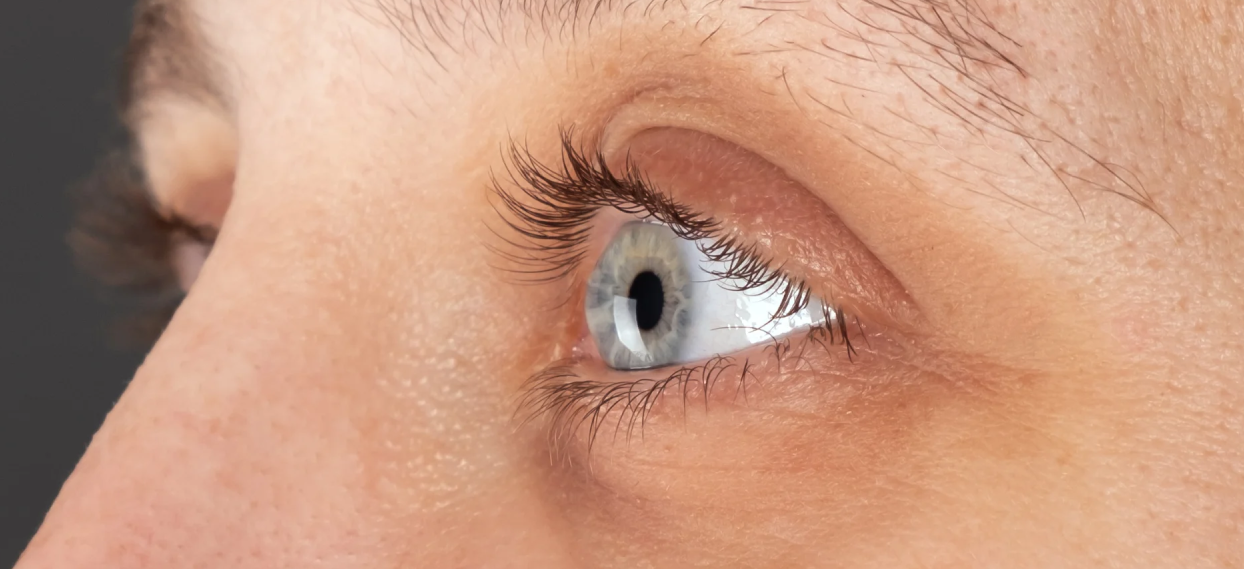
Keratoconus is an eye condition characterized by structural weakening of the cornea. The cornea, located at the front of the eye, refracts light so it can reach the retina. When keratoconus develops, the cornea gradually becomes thinner and begins to protrude outward, taking on a cone-like shape.
This structural change can make it difficult for light to focus accurately on the retina, which may lead to a gradual reduction in visual quality over time. Keratoconus often begins during adolescence and may progress gradually, commonly into the late twenties.
Treatment approaches developed for different stages of keratoconus aim to slow progression and support improved visual clarity.
What Are the Symptoms of Keratoconus?
As changes occur in the corneal structure over time, keratoconus may lead to various visual disturbances. Early recognition is important for planning appropriate management strategies. Common signs that may be associated with keratoconus include:
- Blurred Vision: Irregular corneal shape can reduce sharpness and cause images to appear blurred.
- Light Sensitivity: Especially at night, light sources such as headlights or streetlights may appear scattered or uncomfortable.
- Double or Distorted Vision: Surface irregularities of the cornea may cause a single object to appear doubled or distorted.
- Increase in Astigmatism and Myopia: As keratoconus progresses, refractive errors may increase.
- Frequent Changes in Glasses Prescription: Rapid or repeated changes in prescription are commonly noted.
When such changes are observed, consulting an eye care specialist for a detailed evaluation and discussion of available options may be beneficial.
What Are the Causes of Keratoconus?
The exact cause of keratoconus is not fully understood. However, certain genetic and environmental factors are thought to contribute. Understanding these factors supports a comprehensive approach to eye health when planning management strategies.
Commonly discussed risk factors include:
- Genetic Predisposition: Keratoconus may occur more frequently in individuals with a family history of the condition.
- Allergic Eye Conditions and Eye Rubbing: Frequent or forceful eye rubbing may weaken corneal structure over time.
- Hormonal Changes: Hormonal fluctuations, particularly during adolescence, may play a role in disease onset.
- Excessive UV Exposure: Prolonged exposure to sunlight without protective eyewear may adversely affect corneal tissue.
Because these factors may influence disease development, regular eye examinations and mindful eye care are considered important.
How Is Keratoconus Diagnosed?
Diagnosis of keratoconus is made through comprehensive eye examinations performed by eye care professionals. Early diagnosis is valuable, as it allows for timely planning and may help slow disease progression. Modern imaging technologies play an important role in assessment.
Common diagnostic methods include:
- Keratometry: Measures corneal curvature to identify abnormal surface changes.
- Corneal Topography: Creates a detailed, three-dimensional map of the cornea and analyzes surface irregularities; this test is essential for determining disease stage.
- Pachymetry: Measures corneal thickness; reduced thickness may support the diagnosis.
These tools help determine the presence and severity of keratoconus. Regular examinations and appropriate planning are important for protecting eye health.

What Are the Treatment Options for Keratoconus?
Management strategies for keratoconus are planned according to disease stage and visual needs. Early diagnosis broadens available options. With appropriate planning, visual quality may be supported and progression slowed.
Commonly used approaches include:
Glasses and Contact Lenses
In early stages, glasses or soft contact lenses may help support vision. As the condition progresses, specially designed rigid gas permeable (RGP) or hybrid lenses may be considered.
Corneal Cross-Linking (CXL)
This method aims to strengthen the biomechanical structure of the cornea and is often used to slow or halt progression.
Intracorneal Ring Segments (ICR)
Crescent-shaped rings placed within the cornea may help regularize corneal shape and support improved visual quality, particularly in moderate to advanced stages.
Scleral Lenses
These large-diameter lenses vault over the cornea, reducing surface irregularities and supporting clearer vision. They may be an option when other lenses are difficult to use.
Corneal Transplantation
In advanced cases where corneal damage is significant, surgical intervention may be considered. Corneal transplantation aims to support visual function and daily quality of life.
Selection of the most appropriate option requires detailed evaluation by an eye care specialist, with planning based on individual ocular structure and needs.
Living With Keratoconus: Ways to Support Eye Health
When diagnosed early and supported with appropriate approaches, keratoconus can often be managed effectively. Management plans are individualized and should be considered alongside daily lifestyle habits.
Key points that may support quality of life include:
- Regular Eye Examinations: Periodic follow-up helps monitor progression and adjust management when needed.
- Avoiding Eye Rubbing: Reducing this habit may help limit additional stress on the cornea.
- Using UV-Protective Eyewear: Sunglasses can help protect corneal tissue from harmful ultraviolet exposure.
- Adherence to Management Plans: Proper use of prescribed lenses, eye drops, and other recommendations supports consistent outcomes.
Living with keratoconus involves both clinical care and daily habits. With appropriate management strategies and a healthy lifestyle, long-term eye health can be supported.
Keratoconus is a condition that may affect visual quality. With suitable management approaches, visual challenges encountered in daily life may be reduced.
For detailed information about keratoconus management options and to request a professional evaluation, contact can be made with the clinic for a preliminary appointment.