

TransPRK No-Touch Laser Treatment: Detailed Overview of the Procedure
TransPRK No-Touch Laser is a modern laser treatment performed without physical contact with the eye surface, where the epithelial layer is gently removed using laser technology. It may be considered as an alternative option for individuals with thinner corneal structures, those involved in contact sports, or cases where conventional laser methods are not suitable.
15,000+ Successful Eye Surgeries
Private Insurance Accepted
20+ Years of Experience
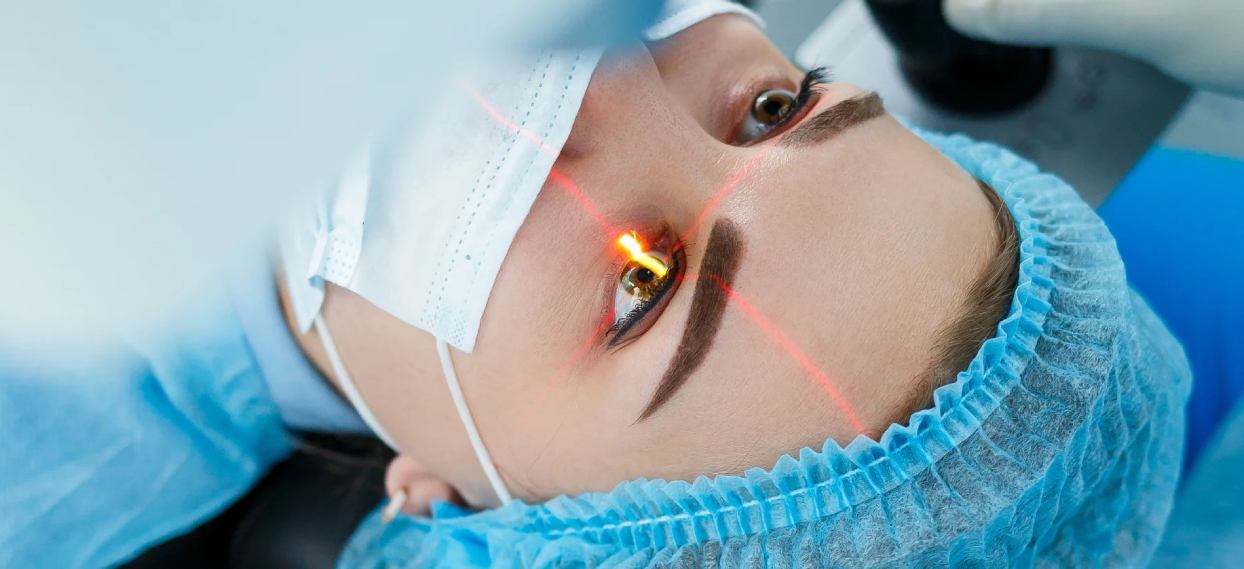
What Is TransPRK No-Touch Laser Treatment?
TransPRK (Transepithelial Photorefractive Keratectomy) is a laser vision correction method performed without physical contact with the cornea. The term “No-Touch” refers to the fact that no surgical instruments come into contact with the eye surface during the procedure. In this respect, it differs from other laser techniques such as conventional PRK or LASIK.
During TransPRK, the outermost layer of the cornea, known as the epithelium, is gently removed using an excimer laser. In the same session, the laser reshapes the cornea to address refractive errors. The entire procedure is carried out through a computer-controlled laser system, without mechanical contact.
Due to its contact-free and flap-free structure, TransPRK may be considered as an alternative in cases where corneal thickness is limited, eye trauma risk is a concern, or contact sports are part of daily life. However, suitability must always be assessed through a comprehensive eye examination.
TransPRK can be used in the correction of refractive errors such as myopia, hyperopia, and astigmatism. That said, not every eye structure is suitable for this method. The final decision should be made by an eye care specialist based on ocular findings and individual clinical considerations.
Who May Be Considered for No-Touch Laser Treatment?
No-Touch Laser Treatment (TransPRK), due to its non-contact application, may offer certain advantages for specific patient profiles. However, since every eye structure is different, suitability can only be determined after a detailed ophthalmologic evaluation.
This method may be considered in situations such as:
- Preference for a flap-free procedure despite a relatively longer recovery period
- Limited corneal thickness that may restrict other laser methods
- Existing dry eye sensitivity
- Involvement in contact sports or professions with a higher risk of eye trauma
- Difficulty tolerating contact lenses or seeking alternatives to glasses
Who May Not Be Suitable?
TransPRK may not be appropriate in all cases. Depending on ocular findings, alternative treatment options may be considered in the following situations:
- Presence of active eye infections
- Advanced dry eye conditions
- Certain connective tissue disorders
- Pregnancy or breastfeeding periods, where temporary hormonal changes may lead to postponement of treatment
How Is TransPRK No-Touch Laser Treatment Performed?
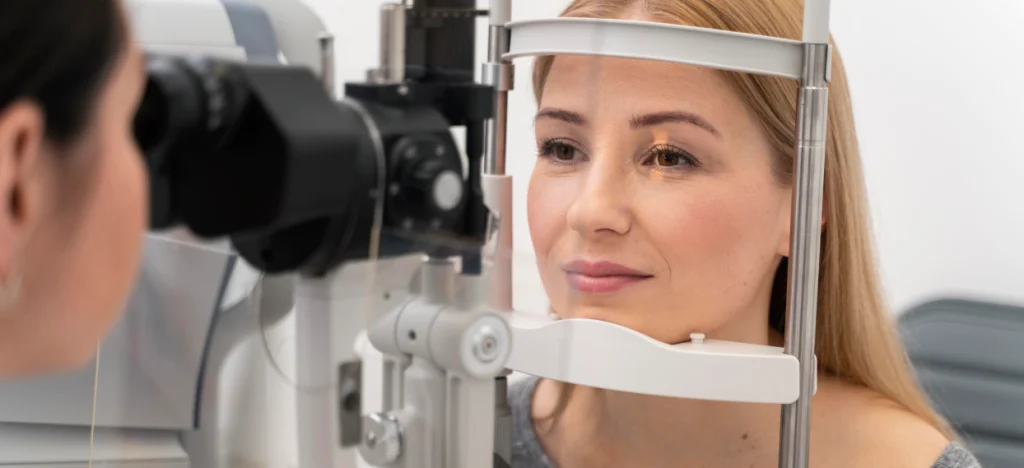
Before the procedure, a comprehensive eye examination is conducted. This assessment typically includes:
- Corneal thickness and shape
- Refractive measurements
- Tear film quality
- Evaluation of the retina and other ocular structures
Based on these findings, treatment suitability is determined by an eye specialist.
Prior to the procedure, anesthetic eye drops are applied to numb the eye surface, allowing the process to be completed without pain. Unlike conventional PRK, the epithelial layer is not mechanically removed; instead, it is gently ablated using laser energy. This laser-based removal forms the basis of the No-Touch approach.
The excimer laser then reshapes the cornea according to a personalized treatment plan. TransPRK typically takes approximately 10–15 minutes for both eyes combined. As no physical contact is involved, the procedure is considered minimally invasive in nature.
Advantages of No-Touch Laser Treatment
Because TransPRK No-Touch Laser Treatment is performed without direct contact with the cornea, it may offer certain advantages in appropriate cases:
Contact-Free Application (No-Touch Technology):
No surgical instruments touch the corneal surface during the procedure. This may help reduce the likelihood of infection and minimize risks associated with mechanical manipulation.
Option for Thin Corneas:
As the procedure involves controlled tissue removal, it may be considered in some cases where corneal thickness is borderline for other techniques.
Suitable for Trauma-Risk Activities:
Since no corneal flap is created, this method may be preferred in situations involving contact sports or professions with increased risk of eye impact.
Potentially Lower Dry Eye Risk:
Because corneal nerves may be less affected, the likelihood of post-procedure dry eye symptoms may be reduced compared to some other laser techniques.
Post-Treatment Care and Considerations
Following TransPRK No-Touch Laser Treatment, the recovery process generally progresses safely, but several important points should be observed:
- Prescribed antibiotic, corticosteroid, and artificial tear drops should be used as directed.
- Temporary symptoms such as blurred vision, stinging, or tearing may occur during the first few days. During this period, prolonged screen use should be limited, and eye rubbing should be avoided.
- Protection from UV exposure is particularly important in the early weeks. Wearing UV-filtered sunglasses outdoors may help reduce surface sensitivity and protect the cornea.
- For the first two weeks, environments with a higher risk of infection—such as swimming pools, the sea, or saunas—should be avoided.
- Scheduled follow-up eye examinations should not be missed.
Possible Risks of No-Touch Laser Treatment
As with any medical procedure, TransPRK No-Touch Laser Treatment may involve certain risks or side effects, although these are generally uncommon:
- Temporary blurred vision and light sensitivity may occur in the early post-treatment period and typically improve gradually over days or weeks.
- During healing, sensations such as burning, stinging, or a foreign-body feeling may be experienced and usually decrease as the corneal surface regenerates.
- A temporary reduction in tear production may occur, which can generally be managed with artificial tear drops.
- Although the procedure is contact-free, the eye surface remains vulnerable during healing, meaning the risk of infection cannot be entirely eliminated. For this reason, regular follow-up and proper medication use are essential.
PRK laser treatment is a flap-free laser technique applied without corneal incisions and is widely used in refractive surgery. It offers a structured approach to improving visual clarity through modern laser technology.
For more information about PRK laser treatment and to request a professional pre-evaluation appointment, contact with the clinic may be arranged through official communication channels.