Is Laser Vision Correction Truly Long-Lasting Laser Eye Treatment Explained with Its Benefits and Considerations
Laser eye treatment has been successfully used for many years and has become increasingly safe with ongoing technological advancements. As with any medical procedure, however, an individualized assessment is essential. In this article, the safety of laser eye treatment is discussed from all relevant perspectives, within an informative and balanced framework.

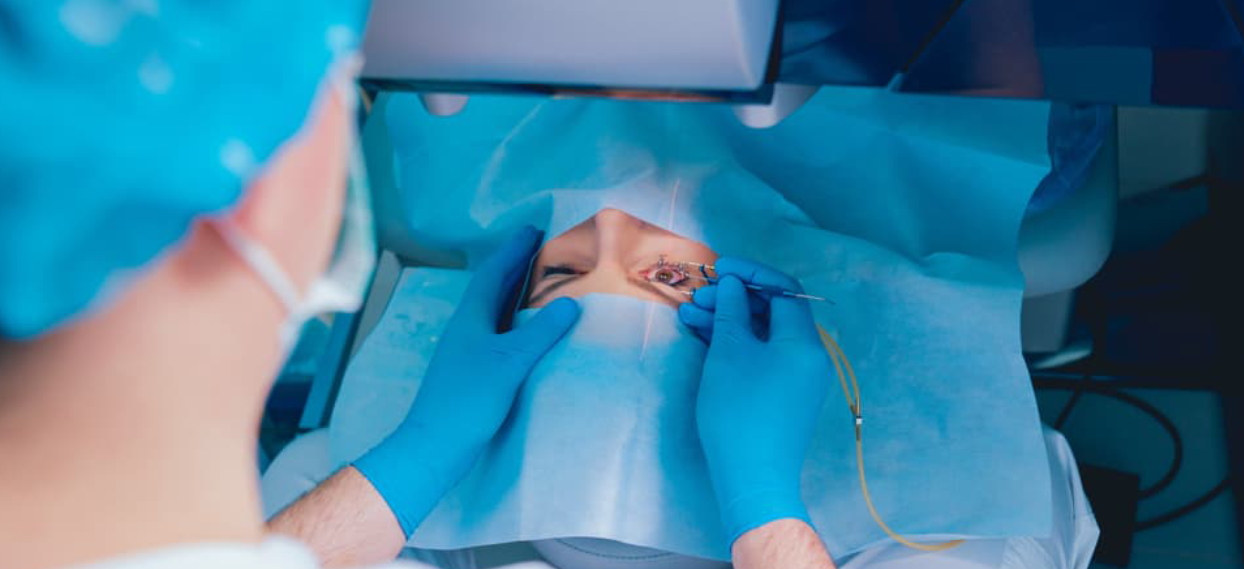
Medically referred to as refractive surgery and commonly known as laser eye correction, this approach involves laser-based techniques used to address refractive errors of the eye.
What Is Laser Vision Correction?
This method aims to support clear vision without the use of glasses or contact lenses and is generally evaluated for refractive errors such as myopia, hyperopia, and astigmatism. The core principle is to reshape the cornea with a specialized laser so that incoming light can be focused more accurately onto the retina, supporting clearer visual perception.
Laser vision correction is typically considered a choice to improve daily visual comfort rather than a medical necessity. It may not be suitable for every eye structure, which is why a comprehensive eye examination is required before any decision is made.
Each eye has unique characteristics, including corneal thickness and the degree of refractive error. For this reason, treatment planning is individualized. A series of diagnostic tests are performed, and the most appropriate laser technique is selected based on these findings.
One of the most common misconceptions is that every visual imperfection can be corrected with laser treatment. In reality, certain eye anatomies may not be suitable for laser procedures. Therefore, accurate diagnosis and suitability assessment are the most critical steps before considering laser vision correction.
In Which Situations Is Laser Vision Correction Considered?
Laser vision correction is often explored by individuals who are dissatisfied with glasses or contact lenses and seek greater visual freedom in daily life. It is commonly researched by those who find frequent eyewear changes inconvenient, experience discomfort with contact lenses, or prefer greater ease during active lifestyles and sports.
The method focuses on correcting refractive errors such as myopia, hyperopia, and astigmatism. However, suitability depends on several key criteria.
Which refractive errors are addressed?
Laser treatment is commonly evaluated for:
- Myopia (difficulty seeing distant objects),
- Hyperopia (difficulty seeing near objects),
- Astigmatism (blurred or distorted vision).
The degree of correction that can be considered depends on individual measurements and clinical evaluation.
Do age and prescription stability matter?
Laser procedures are generally evaluated in adults whose vision prescription has remained stable for at least one year. Corneal structure, thickness, and overall ocular health are also key factors in determining suitability.
Laser vision correction is not an aesthetic preference; it is a medical application planned to support visual quality when specific criteria are met. Professional assessment plays a decisive role in this process.enle karar sürecinde hekim değerlendirmesi belirleyicidir.
Who May Not Be Considered Suitable?
As with any medical intervention, laser vision correction may not be appropriate for everyone. Careful evaluation helps align expectations with ocular conditions and safety considerations.
Laser procedures are generally not considered in the following situations:
1. Insufficient corneal thickness
A certain corneal thickness is required to perform laser treatment safely. When this is not present, alternative options may be discussed.
2. Active ocular conditions
Some corneal disorders, such as keratoconus or significant dry eye, may increase the risk of complications and are typically not compatible with laser procedures.
3. Pregnancy and breastfeeding
Hormonal changes during these periods can temporarily affect vision stability. Permanent procedures are usually postponed until this phase has passed.
4. Under 18 years of age or unstable prescriptions
Vision must be stable for laser treatment to be considered. In developing eyes or when prescriptions continue to change, postponement is generally advised.
How Is Laser Vision Correction Performed?
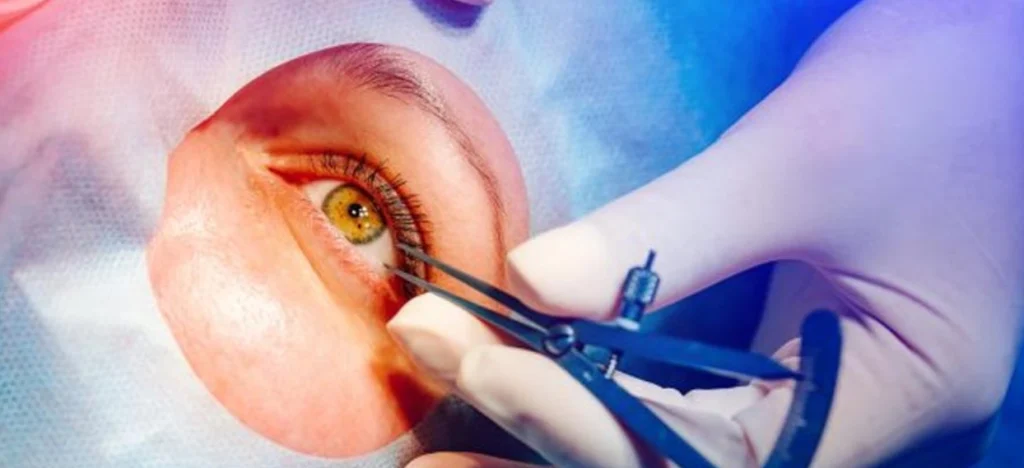
Laser vision correction is a modern, outpatient procedure designed to address refractive errors using advanced laser technology. The approach and technique are personalized according to ocular measurements.
Which laser techniques are used?
Several techniques may be considered, each selected based on eye structure and clinical findings:
- LASIK: A widely used method in which a thin corneal flap is created, followed by laser reshaping. Recovery is often relatively quick.
- PRK: A surface-based technique often considered when corneal thickness is limited.
- No-Touch (TransPRK): A contact-free method performed entirely with laser technology.
- SMILE: A minimally invasive approach using a small incision to remove a lenticule from within the cornea.
The choice of method is determined after detailed pre-treatment evaluation.
What does the procedure involve?
- A comprehensive eye examination is performed to assess suitability, corneal thickness, prescription stability, and overall eye health.
- Local anesthetic eye drops are applied to enhance comfort.
- Laser application typically takes about 10–15 minutes for both eyes combined.
- The procedure itself is generally painless, though temporary sensations such as mild irritation or watering may occur afterward.
- Laser vision correction is a same-day procedure, and follow-up guidance is provided as part of the aftercare plan.
Is Laser Vision Correction Considered Safe?
Laser vision correction has been used worldwide for decades and continues to evolve with technological advancements. When evaluated appropriately and performed by experienced eye specialists, it is generally regarded as a reliable option in suitable cases.
Over more than 30 years of use in ophthalmology, laser technologies have advanced significantly. Precision has increased, and the frequency of complications has been reduced through improved devices and refined techniques.
Modern systems such as SMILE, excimer laser, and femtosecond laser operate at microscopic precision levels, allowing highly controlled corneal reshaping. The most important factors remain individualized planning and professional oversight throughout the entire process.oğruluk sağlamaktadır. Ancak burada asıl belirleyici unsur, tedavinin hastanın göz yapısına özel planlanması ve tüm sürecin deneyimli bir göz hekimi tarafından yönetilmesidir.