Why Do Eye Floaters Appear as “Black Dots”?
Eye floaters are not always a condition that requires treatment. However, understanding when they should be monitored and in which situations they may indicate a more serious issue is important. Continue reading this article to learn more about eye floaters and how they are generally evaluated.

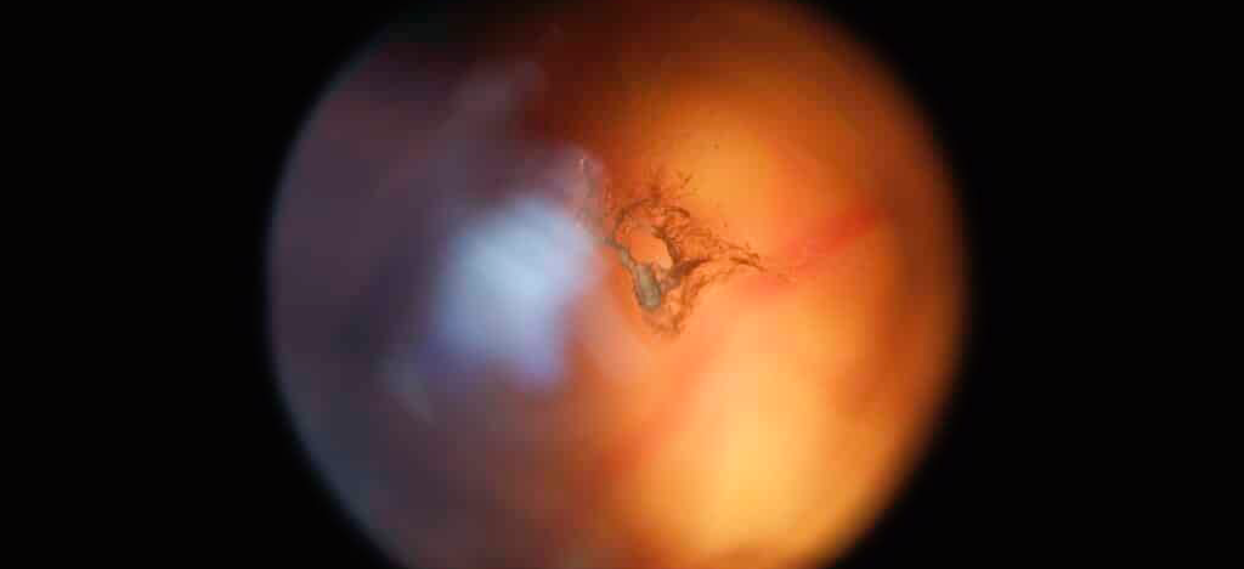
The term “eye floaters” describes a visual phenomenon that many people notice from time to time in daily life, even though it can be difficult to clearly explain what is being seen. These small, moving shapes are often more noticeable when looking at a bright background, such as a clear sky, a white wall, or a computer screen for an extended period.
Eye floaters may appear in different forms. They can resemble small insects, thread-like strands, or blurred spots. They tend to move as the eyes move and may slowly drift when the gaze is held still.
What Are Eye Floaters?
Eye floaters are generally related to natural changes within the eye, specifically involving the vitreous, a gel-like substance that fills the inside of the eye.
In younger individuals, the vitreous has a clear and uniform structure. Over time—or in some cases earlier due to certain factors—this gel can begin to liquefy. As this process occurs, tiny fibers, condensations, or cellular remnants may form within the vitreous. When light passes through these structures before reaching the retina, shadows are cast, which are perceived as eye floaters.
Eye floaters are not experienced in the same way by everyone. Some people notice them frequently when outdoors or when looking at flat, light-colored surfaces, while others may barely be aware of them. In most cases, they are considered harmless and do not significantly affect visual quality.
However, in rare situations, a sudden increase in floaters—especially when accompanied by symptoms such as flashes of light—may be associated with other ocular conditions. In such cases, an ophthalmic evaluation is considered important.
What Causes Eye Floaters?
Eye floaters often appear as small dots, threads, or shadow-like shapes drifting across the field of vision. Medically, this phenomenon is referred to as vitreous opacities and is most commonly associated with vitreous degeneration. The vitreous is a transparent, gel-like structure inside the eye that can undergo changes over time.
1. Vitreous Degeneration (Age-Related Changes)
One of the most common causes is the natural aging process. While the vitreous is smooth and uniform at a younger age, it may gradually become more liquid and less dense over time. Small particles or fibers can form within the gel, creating shadows that are perceived as floaters when light passes through the eye.
2. Myopia (Nearsightedness)
In individuals with higher degrees of myopia, the eyeball tends to be longer in shape. This anatomical difference may contribute to earlier changes in the vitreous, making floaters more noticeable at a younger age.
3. Retina-Related Conditions
In rare cases, eye floaters may be associated with more serious intraocular conditions, such as retinal tears. A sudden onset of numerous floaters, particularly when combined with flashes of light, may warrant a detailed eye examination.
4. Intraocular Inflammation (e.g., Uveitis)
Certain inflammatory conditions within the eye can also lead to the appearance of floaters. In these cases, visual disturbances may be more pronounced and accompanied by additional symptoms.
5. Trauma and Eye Surgery
Blunt trauma to the eye or certain surgical procedures may alter the structure of the vitreous, making floaters more noticeable.

When Can Eye Floaters Be a Concern?
Most eye floaters are related to age-related vitreous changes and are generally considered benign. However, in some situations, they may require closer attention.
Common, typically benign patterns include:
- A small number of floaters appearing occasionally
- Floaters that have been present for a long time without increasing in number
- Increased visibility in bright environments or against light-colored backgrounds
These scenarios are usually considered typical and may be monitored without affecting daily life.
When to Pay Closer Attention
Some signs may indicate changes involving more sensitive structures of the eye, such as the retina. An eye examination may be considered if the following are noticed:
- A sudden and noticeable increase in the number of floaters
- Flashes of light (photopsia), especially in peripheral vision
- A shadow, curtain-like effect, or darkening in part of the visual field
- Newly appearing floaters that are clearly more prominent in one eye
These signs alone do not establish a diagnosis, but early evaluation may help protect overall eye health.
Can Eye Floaters Be Treated?
In many cases, eye floaters persist without significantly affecting quality of life. For this reason, medical intervention is not always necessary.
Floaters typically result from gradual changes in the vitreous gel. When they do not interfere with visual clarity, do not increase in number, and are not accompanied by other symptoms such as light flashes or visual field changes, they are often monitored without active treatment. Over time, the brain may adapt, making them less noticeable.
Treatment Options in Selected Cases
In certain situations, floaters may significantly interfere with visual comfort. For example, if a large shadow obstructs vision or constant movement makes focusing difficult, treatment options may be considered.
Vitrectomy
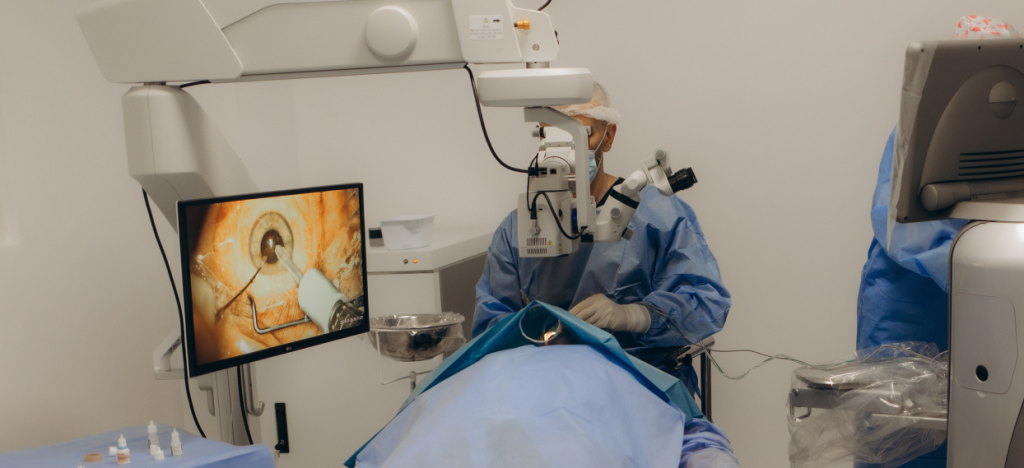
This surgical procedure involves removing the altered vitreous gel and replacing it with a specialized fluid. It can substantially reduce or eliminate floaters. As with any surgical intervention, potential risks exist, so it is generally considered only in selected cases.
Laser Vitreolysis
In this approach, laser energy is used to break up prominent floaters, helping move them out of the central visual field. Suitability and effectiveness depend on the size, location, and structure of the floaters.
Eye floaters are most often harmless and may simply be observed over time.
However, when they begin to affect visual comfort or appear suddenly with additional changes, evaluation by an eye care professional may be appropriate to ensure ocular health is properly assessed.