Eye Problems During Pregnancy: Temporary or Permanent? When Should a Doctor Be Consulted?
Pregnancy brings many physical and hormonal changes, and some of these can also affect eye comfort and vision. Blurred vision, a temporary increase in nearsightedness, or changes in light sensitivity may cause concern for some expectant mothers. However, not every symptom is a sign of a serious problem. In this article, we clearly explain why eye-related changes can occur during pregnancy, when they are typically temporary, and which situations may warrant an evaluation by an eye doctor.


Pregnancy is a natural process that affects the body in many ways, and eye health can also be influenced during this period. Symptoms such as blurred vision, sensitivity to light, or temporary changes in vision prescription may occur in some expectant mothers.
So, are these changes normal? When should eye problems during pregnancy be taken seriously, and in which situations is it important to see an eye doctor? In this article, pregnancy-related eye changes are discussed in detail—why they occur, when they are usually temporary, and which signs may indicate a more serious condition.
What kinds of eye changes can occur during pregnancy?
While pregnancy affects many bodily systems, it may also cause temporary changes in the eyes. Some expectant mothers notice blurred vision, while others experience increased sensitivity to light. In most cases, these changes are related to hormonal shifts and fluid balance and are considered part of the natural process.
What are the most common eye-related complaints?
Eye-related changes during pregnancy can vary from person to person. However, the most commonly reported issues include:
- Blurred vision: Increased fluid retention in the body may affect the cornea, leading to temporary focusing difficulties.
- Light sensitivity: Sensitivity to bright light may increase, causing discomfort in well-lit environments.
- Dry eye sensation: A decrease in tear production can result in burning, stinging, or dryness.
- Difficulty with contact lenses: Due to changes in the cornea, contact lenses may feel less comfortable during pregnancy.
Most of these symptoms are temporary and often resolve on their own after pregnancy. If the changes begin to interfere with daily activities, consulting an eye care professional may be helpful.
What do changes in eye pressure mean?
In some pregnant individuals, intraocular pressure (eye pressure) may naturally decrease during pregnancy. While this may seem beneficial for individuals with glaucoma, treatment and follow-up should still be carefully planned for this specific period. Each pregnancy and individual situation can differ, so monitoring remains important.
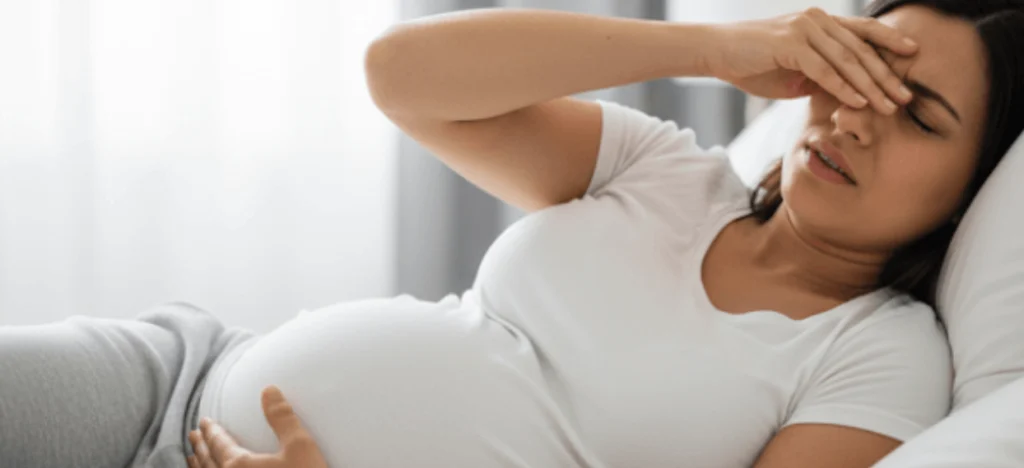
Is laser eye surgery performed during pregnancy?
Laser eye surgery is generally not recommended during pregnancy unless there is an urgent medical reason. There are several key reasons for this approach:
- Hormonal changes: Hormonal fluctuations during pregnancy can temporarily alter the shape and thickness of the cornea. This may lead to changes in vision measurements and reduce the predictability of long-term surgical outcomes.
- Changes in fluid balance: Increased fluid retention can cause temporary corneal thickening. If surgery is performed during this time, later normalization of the cornea may lead to unexpected refractive changes.
When is the right time to plan surgery?
If laser eye treatment is being considered, it is typically planned after pregnancy. The most appropriate timing is determined through a comprehensive eye examination once hormone levels have stabilized, usually a few months after delivery.
Experiencing eye changes during pregnancy does not necessarily indicate a permanent condition. However, permanent procedures such as laser surgery are best postponed until after this period, with careful evaluation by an eye specialist.
Diabetes-Related Eye Problems During Pregnancy (Diabetic Retinopathy)
Pregnancy can naturally affect many systems in the body, including the eyes. In individuals with type 1 or type 2 diabetes, pregnancy may increase the risk of developing or progressing diabetic retinopathy. If retinopathy is already present, the possibility of progression during pregnancy should be taken into account.
What is diabetic retinopathy?
Diabetic retinopathy is a condition caused by damage to the blood vessels in the retina due to diabetes. Changes such as retinal bleeding, fluid accumulation, or abnormal vessel growth may occur. As the condition progresses, it can significantly affect visual quality.
Does pregnancy increase the risk?
Yes. Pregnancy may accelerate existing retinopathy, particularly if blood sugar control is not optimal or if diabetes has been present for a long time. For this reason, individuals with diabetes are advised to have closer eye monitoring before and during pregnancy.
An eye examination is usually recommended at the beginning of pregnancy. Based on the findings:
- If no retinopathy is detected, a follow-up in the second trimester may be sufficient.
- If mild retinopathy is present, regular monitoring at the start of each trimester may be advised.
- In advanced cases, more frequent follow-up and treatment planning may be required, as guided by an eye specialist.
The importance of retinal screening
Because the retina is located at the back of the eye, changes may not always cause noticeable symptoms at first. For this reason, retinal screening (fundus examination) is not just a precaution for pregnant individuals with diabetes—it is a critical step in protecting vision.
Experiencing eye changes during pregnancy does not automatically indicate a serious condition. However, if there is a chronic condition such as diabetes, regular monitoring of eye health during this period is especially important for long-term visual well-being.