What Is the Cornea? Corneal Conditions and Treatment Approaches
The cornea plays a vital role in eye health and has a direct impact on visual quality. But what exactly is the cornea, and what does it do? In this article, the transparent outer layer of the eye is explored in more detail, including its functions, the factors that can affect corneal health, and key points worth paying attention to.

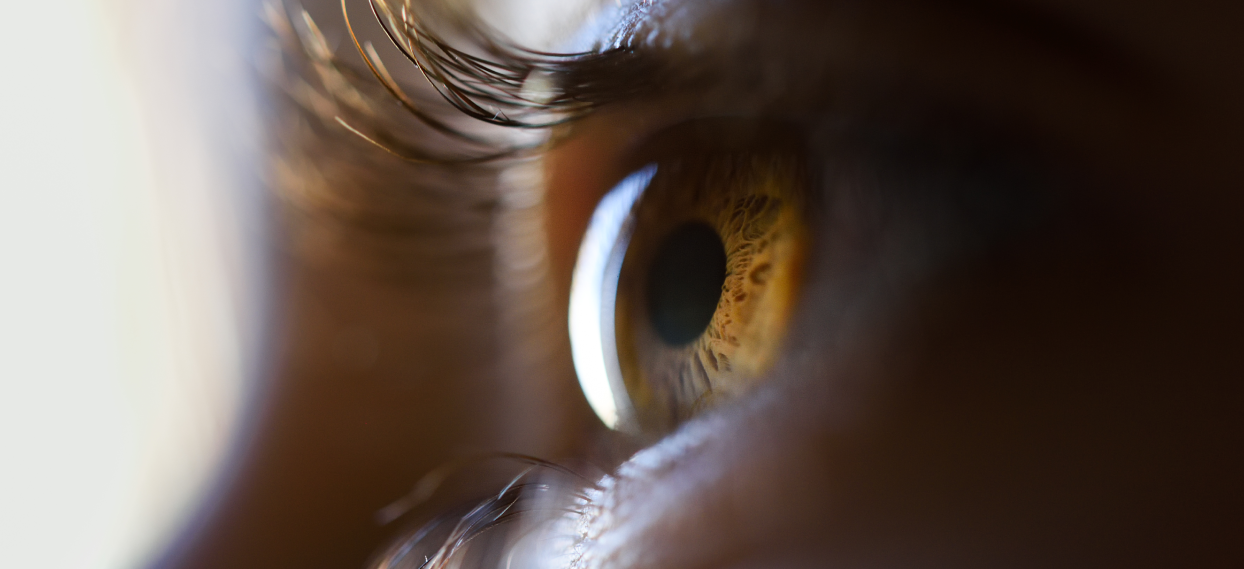
The question “What is the cornea?” goes beyond a purely medical definition. It represents essential knowledge for anyone interested in understanding and protecting eye health. The cornea forms the transparent front surface of the eye and plays a key role in clear vision by refracting incoming light.
This thin yet resilient structure lies at the center of many aspects of eye care—from the need for glasses or contact lenses to surgical procedures. In this article, the structure, functions, and commonly encountered corneal conditions are explained in a professional yet accessible manner. Continue reading to gain reliable information about corneal health.
What Is the Cornea?
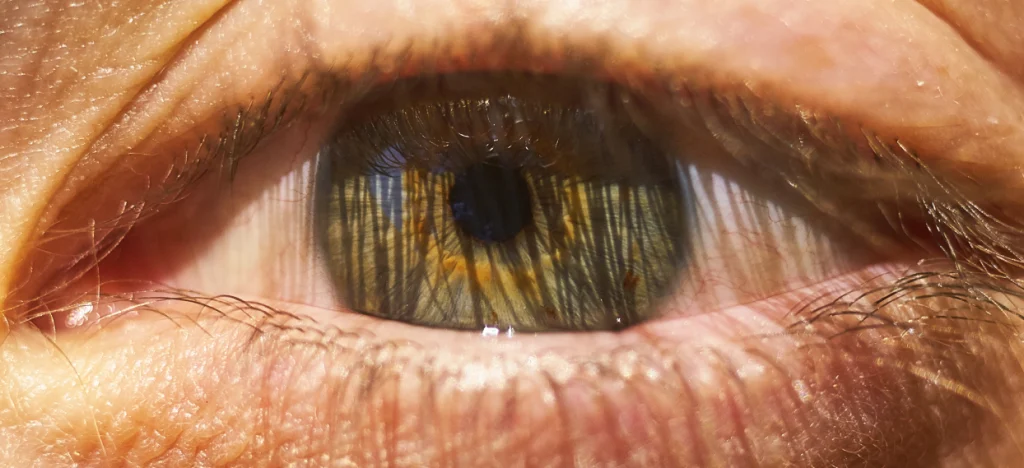
The cornea is a transparent, avascular tissue located at the outermost layer of the eye. In addition to protecting the eye, it plays a vital role in the visual process. Light first enters the eye through the cornea, where it is refracted and directed toward the internal ocular structures. This refraction allows images to be focused clearly on the retina.
Anatomically, the cornea consists of five layers: the epithelium, Bowman’s layer, stroma, Descemet’s membrane, and endothelium. Each layer contributes to maintaining corneal transparency, strength, and function.
Because of its transparent structure, the cornea allows light to pass directly into the eye, supporting clear vision. It also acts as a protective barrier against environmental factors such as infections and minor trauma.
Which Layers Make Up the Cornea?
The cornea covers the front surface of the eye and plays a major role in light refraction. This transparent structure consists of five essential layers, each critical to maintaining visual quality.
1. Epithelium
The outermost layer of the cornea protects the eye from external elements. It can regenerate quickly after minor injuries and helps distribute the tear film evenly across the eye surface.
2. Bowman’s Layer
Located just beneath the epithelium, this thin but strong layer supports the cornea’s shape and structural integrity. While it does not regenerate after injury, damage may not always cause significant visual impairment.
3. Stroma
Making up about 90% of corneal thickness, the stroma consists of regularly arranged collagen fibers. This organized structure is essential for corneal transparency and proper light refraction.
4. Descemet’s Membrane
Situated between the stroma and the endothelium, this thin yet durable layer supports the inner corneal structure. It may thicken with age but generally remains functional for many years.
5. Endothelium
This single-cell layer lines the inner surface of the cornea and regulates fluid balance. Endothelial cells do not regenerate, making their health critical for maintaining corneal clarity. Damage can lead to corneal swelling and blurred vision.
What Are the Functions of the Cornea?
The cornea is more than an anatomical structure; it plays a central role in vision. Understanding its functions is essential to understanding eye health.
Refraction of Light
The cornea refracts most of the light entering the eye, directing it toward the lens. This process represents the first step in forming a clear image, functioning much like a natural lens.
Image Focusing
Working together with the eye’s natural lens, the cornea helps focus light precisely onto the retina, where visual signals are generated.
Protection Against External Factors
As the eye’s outermost surface, the cornea serves as a protective barrier against dust, microorganisms, wind, and minor trauma. The epithelium enables rapid healing of small surface injuries.
Tear Film Distribution
The smooth, curved surface of the cornea allows tears to spread evenly with each blink, keeping the eye moist and supporting defense against infections.
Contribution to Visual Clarity
Any loss of corneal transparency or surface irregularity can scatter light and cause blurred vision. Corneal health is therefore directly linked to visual quality.
What Are Common Corneal Conditions?
The cornea is essential for clear vision but may be affected by various conditions over time or due to congenital factors. Below are some commonly encountered corneal conditions, described for informational purposes only.
Keratoconus
Keratoconus is a progressive condition in which the cornea thins and bulges forward into a cone-like shape. This alters the cornea’s regular structure and may interfere with proper light focusing. It often begins in adolescence and progresses gradually, with blurred vision and light distortion commonly reported.
Corneal Ulcer
A corneal ulcer is an open sore on the corneal surface, often associated with infection. Bacterial, viral, fungal, or parasitic causes may be involved. Contact lens hygiene issues, trauma, or immune-related conditions can be contributing factors.
Corneal Dystrophies
Corneal dystrophies are typically inherited, bilateral, and slowly progressive disorders. They involve abnormal deposits or structural changes within corneal layers and may initially present without noticeable symptoms.
Dry Eye–Related Corneal Changes
Insufficient tear production or tear film instability can affect corneal hydration, leading to surface damage and reduced visual quality over time.
Herpetic Keratitis
Certain herpes viruses can infect the cornea, sometimes repeatedly. Recurrent infections may leave permanent corneal scars and affect vision.
Traumatic Corneal Injuries
External injuries from sharp objects, chemicals, or burns can damage corneal tissue and potentially compromise vision.
Corneal Edema
Corneal edema occurs when fluid accumulates within the cornea, often due to endothelial dysfunction. It may cause blurred vision and light sensitivity.
What Are the Treatment Approaches for Corneal Conditions?
A wide range of modern treatment options is available for corneal conditions. The choice of approach depends on the type and severity of the condition and overall ocular health.
Medicated Eye Drops
Often the first step in management, eye drops may include:
- Antibiotics for infections
- Anti-inflammatory agents when inflammation is present
- Lubricating drops for dryness or irritation
These treatments aim to reduce symptoms, control progression, and support corneal surface health.
Therapeutic Contact Lenses
Specially designed contact lenses may be used in conditions such as keratoconus. These lenses can improve visual clarity and help stabilize the corneal surface. Options include rigid gas-permeable or hybrid lenses.
Corneal Cross-Linking (CXL)
Frequently considered in progressive corneal thinning conditions, this method involves applying riboflavin (vitamin B2) eye drops followed by controlled UV light exposure. The goal is to strengthen corneal collagen fibers and enhance structural stability.
Corneal Transplantation (Keratoplasty)
When corneal damage is advanced and other treatments are insufficient, corneal transplantation may be considered. This involves replacing diseased corneal tissue with healthy donor tissue, either partially (lamellar) or fully (penetrating keratoplasty).
Corneal health plays a fundamental role in visual quality. Advances in ophthalmology offer multiple ways to manage corneal conditions, with treatment strategies guided by careful evaluation and clinical findings.