Skip to content

Ophthalmologist · Bağdat Caddesi, Kadıköy

Op. Dr. Murat Ün

Personalized planning for smart lens, SMILE laser and cataract surgery

From your first exam to surgery and every follow-up visit, your care stays with the same doctor. Practicing ophthalmology since 2001, including 12 years at Dünya Göz Hospital, Dr. Murat Ün brings that experience to his private practice in Feneryolu, where he now sees patients.

  • 2001practicing ophthalmology since
  • 12 yearsDünyagöz Hospital, Ataköy
  • 7contracted private health insurers
  • KadıköyBağdat Caddesi, Feneryolu
Op. Dr. Murat Ün, ophthalmologist
Op. Dr. Murat ÜnOphthalmologist

Contracted private health insurers

Check your policy coverage

Short answer

Op. Dr. Murat Ün is an ophthalmologist (eye surgeon) with a private practice on Bağdat Caddesi in Kadıköy, Istanbul. He offers examination and treatment in smart lenses (trifocal), SMILE and other laser techniques, cataract, medical retina, retina surgery, cornea and keratoconus, oculoplastics (blepharoplasty), glaucoma and strabismus. The practice is contracted with the Turkish private health insurers Allianz, Anadolu Sigorta, Sencard, Türkiye Sigorta, MAPFRE, Medisa and AXA.

01 / Treatment areas

Clear vision starts with choosing the right method

Every treatment is planned after a comprehensive exam and measurements, based on the structure of your eyes, your age and your daily habits. Our main areas are smart lenses, laser eye surgery and cataract surgery.

Medical Retina

Medical Retina

Monitoring and intravitreal injection treatment for diabetic retinopathy, age-related macular degeneration and retinal vein occlusion.

View
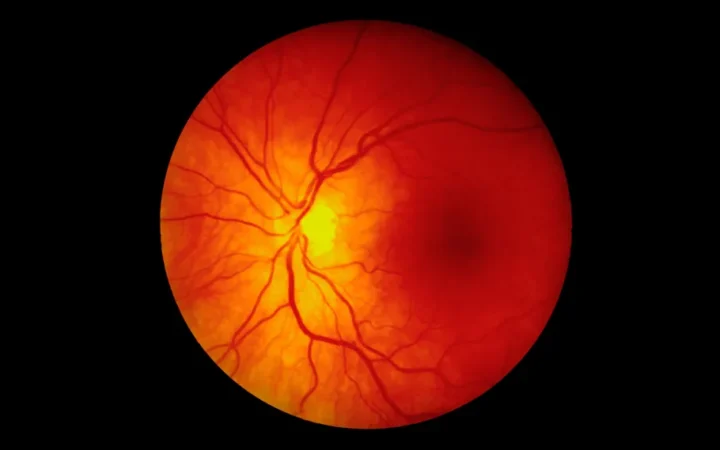
Retina Surgery

Retina and Vitreous Surgery

Vitrectomy and vitreoretinal surgery for conditions such as retinal tears, retinal detachment and vitreous hemorrhage.

View
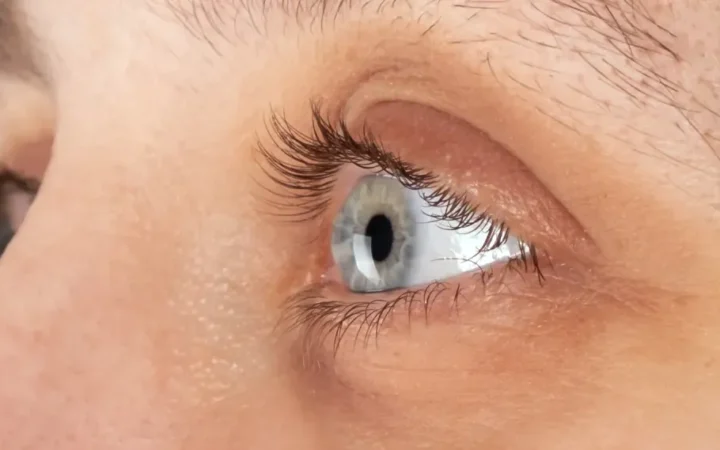
Keratoconus

Cornea and Keratoconus

Corneal cross-linking, intracorneal ring segments and other corneal treatments for keratoconus, with monitoring of progression.

View
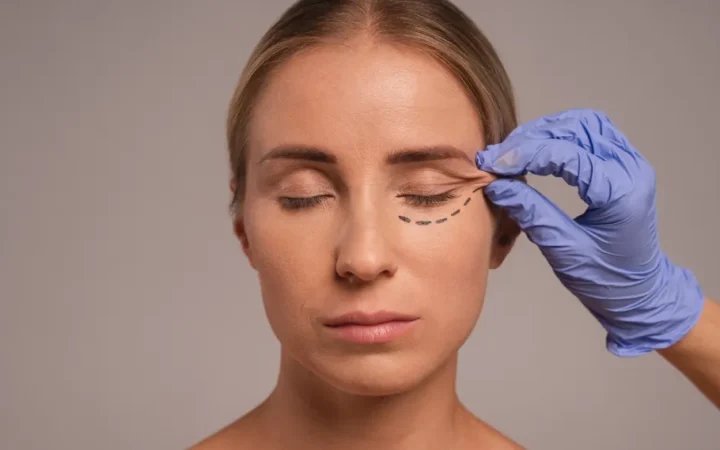
Blepharoplasty

Oculoplastics (Blepharoplasty)

Blepharoplasty for drooping eyelids and eye bags; functional (visual field) and cosmetic reasons are assessed together.

View
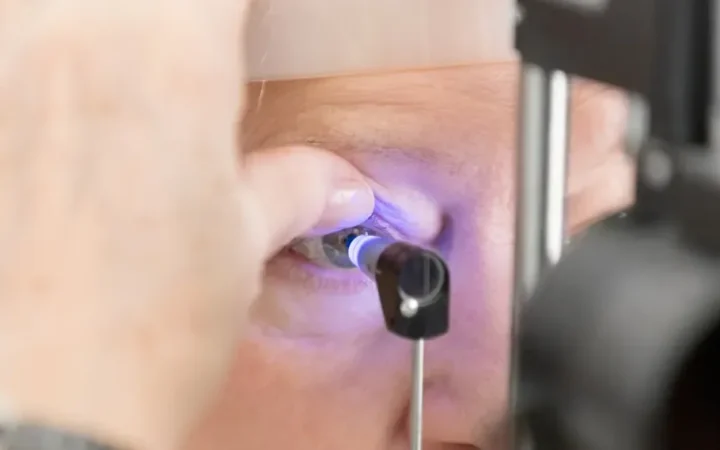
Glaucoma

Glaucoma (Eye Pressure)

Early diagnosis of raised eye pressure, monitoring of the visual field and nerve fiber layer; eye drops, laser and surgical options.

View

Strabismus

Strabismus (Eye Misalignment)

Eye misalignment in children and adults; screening for lazy eye, glasses, patching and surgical planning.

View
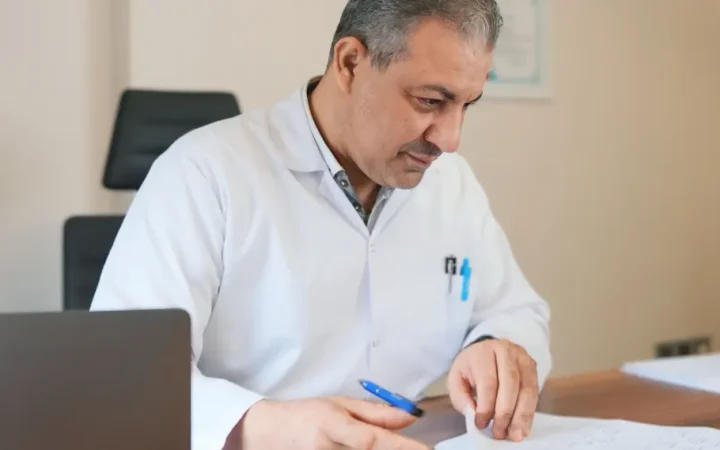
Eye Examination

Comprehensive Eye Examination

Assessment of visual acuity, eye pressure, the front of the eye and the retina. Regular check-ups matter even without symptoms.

View

02 / Smart lenses

Trifocal lens: one lens for near, intermediate and distance vision

A trifocal lens is an intraocular lens that replaces the eye’s natural lens and distributes light across three distances. It aims to reduce your need for glasses when reading, working at a computer and driving.

It is usually considered for people over 45 who have trouble with near vision and for patients who are having cataract surgery. Corneal and retinal measurements determine whether you are a suitable candidate; toric versions can also correct astigmatism.

Books, phone, medicine leaflets

Close-up tasks such as reading and handicrafts

A trifocal lens splits light into three focal points. Some patients see halos around lights at night; this and other possibilities are discussed at the examination.

03 / Laser

SMILE laser: no flap, just a small incision

SMILE is a laser technique that corrects nearsightedness (myopia) and astigmatism: a femtosecond laser creates a thin layer of tissue inside the cornea, which is then removed through a small incision. No flap is lifted on the cornea.

If your corneal thickness or corneal map is not suitable for SMILE, we will look at options such as TransPRK or ICL together.

  1. 1

    Measurement

    Corneal thickness, a corneal map (topography) and your prescription are measured; suitability for SMILE is decided from these data.

  2. 2

    Lenticule

    A femtosecond laser shapes a thin layer of tissue (lenticule) inside the cornea according to your prescription.

  3. 3

    Small incision

    The lenticule is removed through a small incision of about 2–4 mm on the corneal surface; no flap is lifted.

  4. 4

    Follow-up

    Eye drops and follow-up visits are planned after the procedure. Recovery time varies from person to person.

Op. Dr. Murat Ün

04 / Your doctor

Dr. Murat Ün

He graduated from Trakya University Faculty of Medicine and completed his residency in ophthalmology at Fatih Sultan Mehmet Training and Research Hospital. From 2004 to 2016 he worked at Dünya Göz Hospital in Ataköy, then at Medical Park and Batıgöz. Since 2021 he has been seeing patients at his private practice on Bağdat Caddesi.

  1. Education

    Trakya University Faculty of Medicine

  2. Residency

    Fatih Sultan Mehmet Training and Research Hospital, Ophthalmology

  3. 2001–2004

    Yaşar Okuyan SSK Hospital

  4. 2004–2016

    Dünyagöz Hospital, Ataköy

  5. 2016–2018

    Medical Park Hospital

  6. 2018–2021

    Batıgöz Health Group, Altunizade

  7. 2021 →

    Own practice · Bağdat Caddesi, Kadıköy

05 / The process

From your first exam to follow-up

The same doctor sees you for the exam, the treatment decision and every follow-up visit after treatment. The process has four steps.

  1. 01

    First contact

    By WhatsApp or phone we take your symptoms, any previous reports and your insurance details, and agree on a suitable day.

  2. 02

    Comprehensive examination

    Visual acuity, eye pressure, the front of the eye and the retina are assessed; further measurements are done if needed.

  3. 03

    Decide together

    The findings are explained to you. If treatment is needed, the options, possible risks and the recovery process are discussed openly.

  4. 04

    Follow-up

    After treatment, follow-up visits are done by the same doctor, and you have a channel to reach us with questions.

06 / Insurance

Eye exams and treatment with your private health insurance

We are contracted with the Turkish private health insurers Allianz, Anadolu Sigorta, Sencard, Türkiye Sigorta, MAPFRE, Medisa and AXA. Before your appointment, we check together what your policy covers for the exam and any planned procedure; coverage and your co-payment depend on your insurance company’s approval.

  • 01Allianz SigortaContracted
  • 02Anadolu SigortaContracted
  • 03SencardContracted
  • 04Türkiye SigortaContracted
  • 05MAPFRE SigortaContracted
  • 06Medisa SigortaContracted
  • 07AXA SigortaContracted
  • Insurer not on the list?Share your policy details and we will look at reimbursement options together.Ask on WhatsApp
  1. 1

    Share your details

    Message or call us with your insurance company and your policy/card details.

  2. 2

    We confirm coverage

    Before your appointment we check your policy coverage, and any co-payment, for the examination and planned procedure.

  3. 3

    Pre-authorization

    Pre-authorization (provizyon) is obtained on the day of the examination or procedure; if an item is not covered, you are told in advance.

07 / FAQ

Questions our patients often ask

If you have another question, you can send us a message on WhatsApp.

Is it possible to stop wearing glasses?

In suitable patients, laser treatments or smart lens surgery can significantly reduce the need for glasses. Every eye is different; which method is suitable is decided after a comprehensive examination and measurements.

Am I a candidate for laser eye surgery?

Suitability depends on the structure of your eye, your age, your corneal thickness and your prescription. The right option for you is determined after the examination and corneal measurements.

What is the difference between a smart lens and laser surgery?

Laser treatments correct your prescription by reshaping the cornea; in smart lens surgery the eye’s natural lens is replaced with a multifocal lens. Lens options usually come to the fore after age 45, for people with near-vision problems (presbyopia) or early cataract.

Can I prevent cataracts?

Cataracts cannot be fully prevented, but wearing UV-protective sunglasses, not smoking and eating healthily may lower the risk. If you notice blurred vision, an eye examination is recommended.

I see floaters in my eye. Is this dangerous?

Floaters are usually harmless. But if they suddenly increase, or you see flashes of light or a curtain over part of your vision, it may be a sign of an emergency such as a retinal tear; get examined without delay.

Can a lazy eye be treated?

A lazy eye (amblyopia) can usually be treated until about age 8–9. After that the response to treatment drops markedly, which is why early eye examinations matter in children.

Can I be examined with my private health insurance?

We are contracted with Allianz Sigorta, Anadolu Sigorta, Sencard, Türkiye Sigorta, MAPFRE Sigorta, Medisa Sigorta, AXA Sigorta. Coverage for examinations and procedures depends on the insurer and the plan; we confirm it together before your appointment.

How can I book an appointment?

You can message us on WhatsApp, call +90 542 469 37 34 or fill in the appointment form. We get back to you during working hours.

08 / Contact

Contact the practice

Address

Bağdat Cad. No:73, Floor 2, Apt 4, Feneryolu
Kadıköy, Istanbul

Get directions
Opening hours
Monday – Friday
09.00 – 19.00
Saturday
09.00 – 14.00
Sunday
Closed
Examinations are by appointment.

Bağdat Cad. No:73, Feneryolu · KadıköyOn Bağdat Caddesi, Feneryolu

Open in Google Maps

Appointment

Let’s find a suitable day for your eye examination

Leave the form and we will call you during working hours. You can also message us on WhatsApp or call directly.

We are contracted with Allianz, Anadolu Sigorta, Sencard, Türkiye Sigorta, MAPFRE, Medisa and AXA.

Appointment request

After you send the form, we will call you during working hours. In urgent cases, please call.