02/Laser (SMILE and other methods)
SMILE Laser Eye Surgery (ReLEx SMILE)
A laser method performed through a small opening in the cornea, without lifting a flap. It is used to correct nearsightedness (myopia) and astigmatism.
- Examination, surgery and follow-up with the same doctor
- Contracts with 7 private health insurers
- Bağdat Caddesi, Kadıköy

Short answer
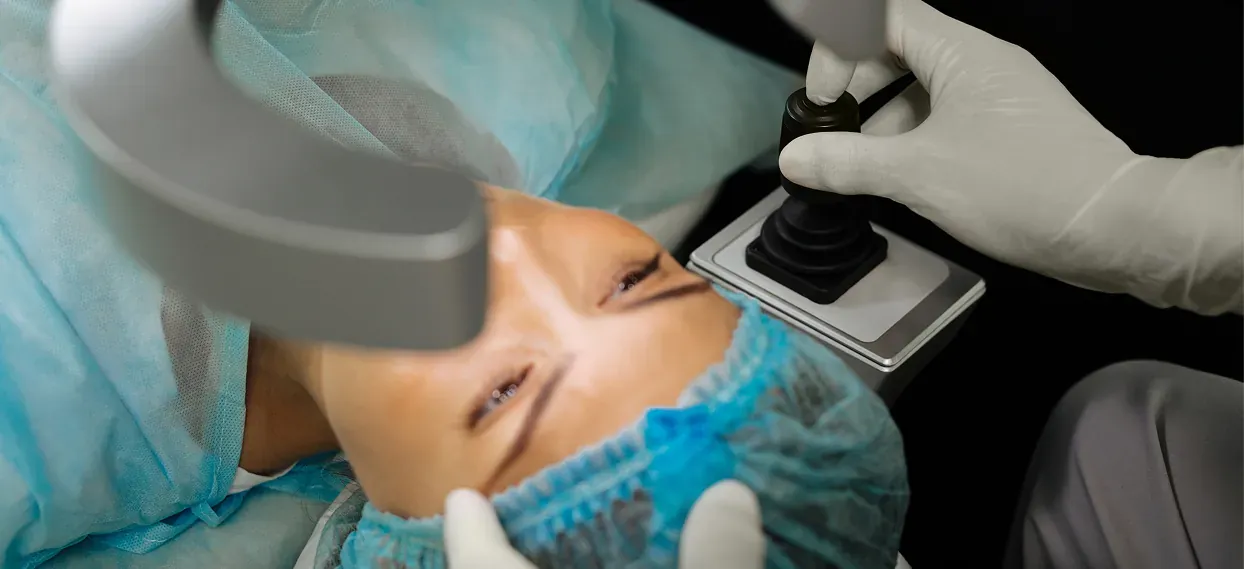
SMILE laser is a laser eye procedure in which a femtosecond laser creates a thin disc of tissue (a lenticule) inside the cornea, which is then removed through a small opening of about 2–4 mm. Because no flap is lifted, the corneal surface is largely preserved. It is used for nearsightedness (myopia) and astigmatism; whether you are suitable is decided after measuring your corneal thickness and corneal map.
Glasses and contact lenses become a habit for many people over time, yet they can still make everyday life harder: lenses that fog up in the rain, the dryness that comes with wearing contact lenses for long hours, or the small limitations that get in the way of an active lifestyle…
So what if you could wake up in the morning, see the world clearly and keep that clarity all day? ReLEx SMILE, one of the more recent developments in laser eye treatment, is one of the technologies that may answer that question.
SMILE laser, or ReLEx SMILE in full, is a minimally invasive and comfortable laser treatment performed without large incisions in the eye. For many people who want to depend less on glasses or contact lenses, it can be a good alternative. That it may also be an option for some people with more delicate corneas gives it a distinct place among today’s laser treatments.
On this page, we look at what ReLEx SMILE technology is, how it is performed, who it is suitable for and the comfort it offers.
What Is SMILE Laser Eye Surgery?
SMILE laser eye surgery is an advanced laser technology used to treat refractive errors such as nearsightedness (myopia) and astigmatism. Also known in the medical literature as ReLEx SMILE, it is performed through a minimal incision, with no need to create a large flap in the cornea. This helps preserve the cornea’s natural structure and can make recovery more comfortable.
Compared with other laser treatments, SMILE laser eye surgery involves less intervention in the tissue of the eye. This can help reduce complaints such as dry eye after the procedure. ReLEx SMILE is planned individually for each patient, with the aim of a safe experience.
Considered an alternative to glasses or contact lenses, this technology is one of today’s laser eye procedures. Known for a quick return to daily life, SMILE laser eye surgery is among the modern options for vision correction.
Who Is SMILE Laser Eye Surgery Suitable For?
SMILE laser eye surgery is an advanced laser treatment for people with refractive errors, particularly nearsightedness (myopia) and astigmatism. It may also be considered for some people with thinner corneas, provided the measurements allow it; because it is performed through a minimal incision, it aims to preserve the cornea’s natural structure. For patients looking for an alternative to glasses or contact lenses, SMILE offers a modern and comfortable treatment option.
Who Can Be a Good Candidate?
SMILE is performed in suitable patients after a detailed eye examination. The general criteria are:
- General health that allows surgery
- Age 18 or older
- A glasses prescription that has stayed stable for at least the past year
- Nearsightedness (myopia) up to −10 D; for astigmatism, up to 3 D in the US (FDA), while device approvals in Europe go up to about 5 D – your own limit depends on the device and your corneal measurements
- Corneal thickness and structure suitable for treatment
- No serious eye condition such as cataract, glaucoma or keratoconus
Who Is SMILE Laser Eye Surgery Not Suitable For?
SMILE laser eye surgery may not be the right treatment for everyone. A detailed eye examination is needed to determine clearly whether you are a candidate. In general, people in the following situations may not be considered suitable candidates:
- People under 18
- People whose prescription is still changing
- People whose corneal thickness or structure is not sufficient
- People with serious eye conditions (such as cataract, glaucoma or keratoconus)
- People who are pregnant or breastfeeding
- People with an active eye infection
- People with autoimmune diseases or systemic conditions that affect wound healing
Other treatment options may be considered for people in these groups. To decide which method is right for you, it is advisable to consult an ophthalmologist.

How Is SMILE Laser Eye Surgery Performed?
SMILE laser eye surgery is a laser treatment that is usually completed quickly and is comfortable for the patient. Performed with ReLEx SMILE technology, it has three main stages:
- Preparing the Eye and Anesthesia
Before the procedure begins, the surface of the eye is cleaned with an antiseptic and topical local anesthesia (numbing eye drops) is applied, so that you do not feel discomfort during the procedure. You remain awake throughout; the numbing drops are meant to prevent pain, although you may feel some pressure. - Creating the Lenticule
You are positioned under the VisuMax femtosecond laser. This high-precision laser creates a small disc of tissue (a lenticule) in the middle layer of the cornea, shaped to correct your refractive error. This step takes about 10 seconds per eye and keeps contact with the surrounding tissue to a minimum. - Removing the Lenticule
After the laser step, a small incision of about 2–4 mm is made at the edge of the cornea. The surgeon carefully removes the lenticule through this opening. No stitches are needed, because the incision heals on its own.
SMILE laser eye surgery is usually completed in about 8–10 minutes in total for both eyes. Recovery varies from person to person, but most patients can return to daily life within a short time.
Advantages of SMILE Laser Eye Surgery
SMILE laser eye surgery is one of the newer-generation laser methods developed to correct refractive errors of the eye. Performed with ReLEx SMILE technology, it offers a number of advantages, including a high level of comfort with less intervention and a quick recovery.
- Less Intervention, More Comfort
SMILE is performed through a small incision of only 2–4 mm in the cornea, which keeps the intervention in the tissue to a minimum. The cornea’s natural structure is preserved, which can make the period after treatment more comfortable.
- Reduced Risk of Dry Eye
The dryness that can follow conventional laser methods is seen less often after ReLEx SMILE, because the corneal nerves near the surface are largely preserved.
- Quick Return to Daily Life
Most people can return to daily life soon after SMILE laser eye surgery. Sensitivity and blurriness in the eye are usually temporary.
- Single-Step Procedure
The procedure is completed with a single laser device, in a single step. This shortens the procedure time and keeps the process simpler.
- No Stitches, No Flap
Because no flap is created, the complications associated with a corneal flap do not apply to this method. This makes it an attractive option for people who play sports actively.
Recovery After SMILE Laser Eye Surgery
For most people, recovery after SMILE laser eye surgery is comfortable and quick. In the first hours after ReLEx SMILE, you may notice mild grittiness, watering or sensitivity to light. These symptoms usually ease within a short time.
First 24 Hours:
It is important to wear the protective glasses you are given after surgery and to avoid rubbing your eyes. It is also advisable to keep water out of your eyes during this period.
First Few Days:
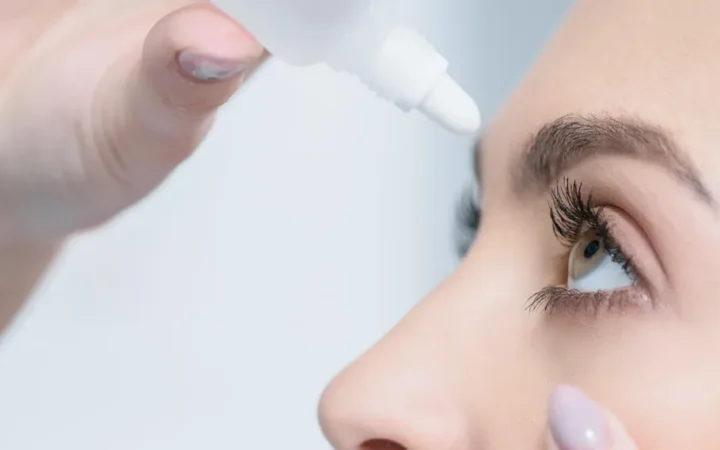
Using your antibiotic and artificial tear drops regularly reduces the risk of infection and supports healing.
First Week:
Many people can return to daily life the day after treatment. During this week, however, it is advisable to avoid eye makeup, swimming pools and the sea, and dusty environments.
Recovery after SMILE laser eye surgery can vary from person to person, so following your doctor’s instructions helps your recovery go smoothly.
The information on this page is for general information only and does not replace diagnosis or treatment. In any surgical or interventional procedure, results vary from person to person. Please get a detailed opinion from your doctor before any procedure.
Laser (SMILE and other methods) options
Related treatment pages
Laser Eye Surgery
Correcting nearsightedness (myopia), farsightedness (hyperopia) and astigmatism with SMILE, TransPRK and excimer laser; the method is chosen based on corneal thickness and corneal mapping.
View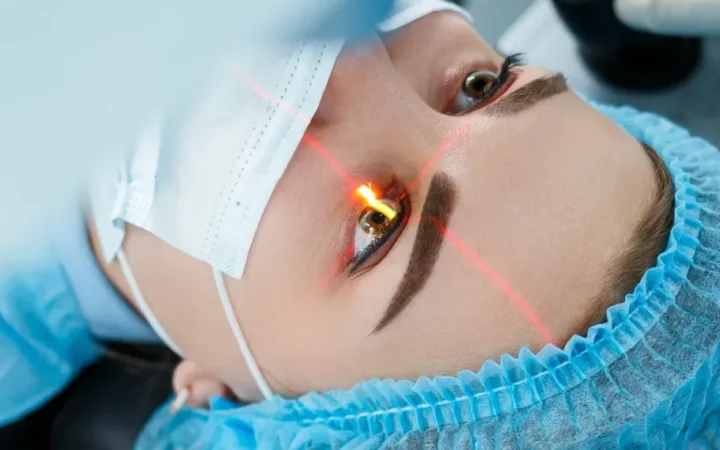
TransPRK (No-Touch)
A surface laser method in which the eye is not touched and even the epithelium (the corneal surface layer) is removed by the laser; it may be an option for people with thinner corneas.
View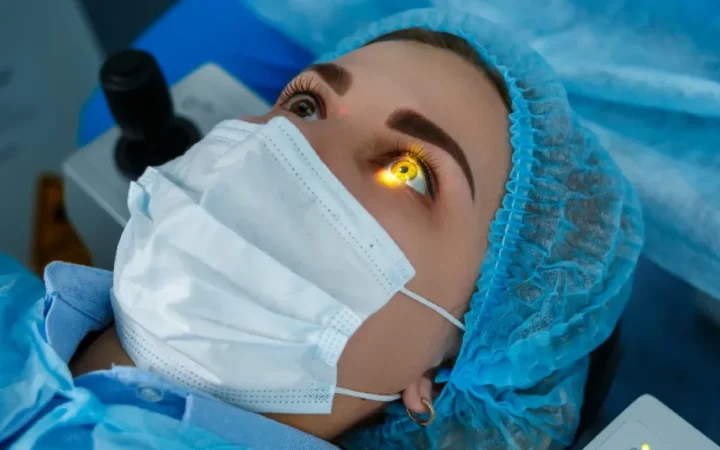
Excimer Laser
The excimer laser reshapes the cornea with micron-level precision and is the basis of methods such as PRK and LASIK.
View
Femtosecond Laser
The femtosecond laser is used in cataract and refractive surgery to plan incisions and procedures within the cornea with high precision.
View
Presbyopia Laser
Laser methods that aim to reduce the need for glasses for near-vision problems after 40 (presbyopia).
ViewFrequently asked questions
SMILE Laser: frequently asked questions
If you have another question, you can message us on WhatsApp.
Who can have SMILE laser surgery?
It is generally considered for people with nearsightedness (myopia) and astigmatism who are at least 18, whose prescription has been stable for at least a year and whose corneal thickness and corneal map are suitable. The final decision is made after the examination and corneal measurements.
How is SMILE different from other laser methods?
In SMILE, no flap is lifted on the cornea; a thin layer of tissue created inside the cornea by the laser is removed through a small opening. In LASIK a flap is lifted, while in TransPRK the surface layer is removed by the laser. Which method suits you depends on your corneal measurements.
How long does the procedure take?
The treatment takes a few minutes per eye (the laser step itself takes only seconds); with preparation and checks, you will spend longer at the clinic on the day. The procedure is done under anesthetic eye drops.
When can I go back to work?
Many people can return to their daily routine within a few days, but recovery time varies from person to person. Your follow-up dates, how to use your drops and what to watch out for will be explained to you after the procedure.

Your doctor
Op. Dr. Murat Ün
He graduated from Trakya University Faculty of Medicine and completed his ophthalmology residency at Fatih Sultan Mehmet Training and Research Hospital. From 2004 to 2016 he worked at Dünyagöz Hospital in Ataköy, then at Medical Park and Batıgöz. Since 2021 he has been seeing patients at his own practice on Bağdat Caddesi.
- Education
Trakya University Faculty of Medicine
- Residency
Fatih Sultan Mehmet Training and Research Hospital, Ophthalmology
- 2001–2004
Yaşar Okuyan SSK Hospital
- 2004–2016
Dünyagöz Hospital, Ataköy
- 2016–2018
Medical Park Hospital
- 2018–2021
Batıgöz Health Group, Altunizade
- 2021 →
Own practice · Bağdat Caddesi, Kadıköy
Contracted insurers
Examination with your private health insurance
Before your appointment we confirm together what your policy covers for SMILE Laser. Coverage and any co-payment depend on your insurer’s approval.
- 01
 Allianz SigortaContracted
 - 02
 Anadolu SigortaContracted
 - 03
 SencardContracted
 - 04
 Türkiye SigortaContracted
 - 05
 MAPFRE SigortaContracted
 - 06
 Medisa SigortaContracted
 - 07
 AXA SigortaContracted
 - Insurer not on the list?Share your policy details and we will look at reimbursement options together.Ask on WhatsApp

