01/Smart Lenses (Trifocal)
Toric Lens Surgery for Astigmatism
Toric intraocular lenses designed to correct astigmatism at the same time as cataract surgery or lens replacement in eyes that have astigmatism.
- Examination, surgery and follow-up with the same doctor
- Contracts with 7 private health insurers
- Bağdat Caddesi, Kadıköy


Short answer
A toric lens is an intraocular lens placed along a specific axis to correct astigmatism. It is used when astigmatism is to be corrected during cataract surgery or smart lens surgery; trifocal and EDOF lenses are also available in toric versions. The axis and power of the lens are calculated from corneal measurements taken before surgery.
What Is a Toric Lens?
A toric lens is a special type of intraocular lens used especially for people with astigmatism. Unlike standard intraocular lenses, it can correct both the refractive error and the uneven curvature of the cornea that causes astigmatism. This makes clearer, more comfortable vision possible.
Standard intraocular lenses are generally designed to correct only spherical errors such as nearsightedness (myopia) or farsightedness (hyperopia), whereas toric lenses stand out for their cylindrical design made specifically for astigmatism. Once inside the eye, the lens is aligned with the axis of the cornea’s curvature, which gives more balanced, clearer vision.
Thanks to its advanced optical design, a toric lens makes it possible to treat astigmatism at the same time as cataract surgery. In this way, both problems are addressed in a single procedure.
When Is Toric Lens Surgery Used?
Toric lenses are an intraocular lens option for people who have vision problems caused by astigmatism and who also have a cataract. Implanted during cataract surgery, these special lenses allow the clouded natural lens to be removed and astigmatism to be corrected at the same time.
Toric lenses may also be considered for some patients who are planning surgical correction of refractive errors. In people with nearsightedness or farsightedness combined with astigmatism, toric lenses can aim for more balanced vision.
However, every patient’s eyes and needs are different. Suitability for a toric lens can only be determined after a detailed eye examination and optical measurements. Treatment should be planned individually, and the decision should always be guided by an eye specialist.
How Does a Toric Lens Affect Vision Quality?
Toric lenses are intraocular lenses developed specifically to correct the blurred and distorted vision caused by astigmatism. By helping to correct the eye’s refractive error, they make vision sharper and more stable.
In people who have both cataract and astigmatism, a toric lens means that the need for glasses after surgery can be significantly reduced. Distance vision becomes clearer, and everyday visual uncertainty is reduced.
Toric lenses may also help reduce blurring at night and in low light. The aim is a more comfortable visual experience, especially in areas that directly affect quality of life, such as driving, screen work and outdoor activities.
These results, however, can vary from person to person depending on the structure of the eye. That is why the treatment decision should always be based on an individual assessment.
How Is Toric Lens Surgery Performed?
Toric lens surgery is a surgical method for correcting astigmatism that requires individual planning. The treatment involves the following stages:
- 1. Examination and Initial Assessment
A comprehensive eye examination is carried out before treatment. During this stage: - Your prescription, corneal curvature and degree of astigmatism are assessed.
- The internal structures of the eye are examined in detail.
- Your suitability for treatment is determined.
- 2. Personalized Treatment Planning
Because every eye is different, the choice of toric lens and its placement plan are tailored to each person. Placing the lens at the correct angle is critical to the success of the treatment.
- 3. Surgery
Toric lens implantation is usually performed during cataract surgery. During the procedure: - The eye’s natural lens is removed.
- A toric lens designed to correct astigmatism is placed inside the eye.
- Special techniques are used to position the lens on the correct axis.
- The procedure usually takes 10–20 minutes.
Because the treatment process can vary with individual factors, the most suitable plan should be made by a specialist surgeon.
Who Is a Candidate for Toric Lens Surgery?
Toric lens implantation is a method chosen for certain vision problems that come with astigmatism. However, it may not be suitable for everyone; the decision should be made after a detailed eye examination.
Toric lens surgery may generally be considered for:
- People with both cataract and astigmatism: Using a toric lens during cataract surgery can allow both conditions to be treated at the same time.
- People whose quality of life is affected by wearing glasses or contact lenses: Correcting astigmatism can support better quality of vision.
- People whose eyes are suitable for this technology: Certain anatomical conditions must be met for the lens to stay stable and work effectively.
Because every patient’s eyes and health are different, suitability for a toric lens can be confirmed only after an examination by an ophthalmologist.
Treating Astigmatism with a Toric Lens
Astigmatism is a refractive error caused by an uneven shape of the cornea or of the eye’s lens. It can cause blurred and distorted vision at both near and far distances. Toric intraocular lenses are special lenses developed to correct these distortions caused by astigmatism.
Toric lenses implanted during cataract surgery allow the cataract to be removed and astigmatism to be corrected in the same session. The aim is clearer, more balanced vision.
Whether a toric lens is suitable for treating your astigmatism depends on the structure of your eye. That is why the treatment plan is shaped after a detailed eye examination.
What Are the Advantages of a Toric Lens?
Toric intraocular lenses help improve vision quality, especially when astigmatism is present. When chosen during cataract surgery, they allow astigmatism to be corrected at the same time as the cataract is treated.
Some of the main advantages of toric lens surgery are:
- Long-lasting astigmatism correction: With careful planning and appropriate patient selection, blurred vision caused by astigmatism can be reduced.
- Supports clearer vision: By correcting astigmatism along its specific axis, the lens can give a clearer field of vision.
- May reduce the need for glasses: It can be a comfortable alternative for people who want to rely less on glasses.
- Several problems addressed in one procedure: More than one vision problem, such as cataract and astigmatism, can be treated in the same session.
Of course, these advantages can vary depending on the structure of the eye and general health. That is why suitability for a toric lens should be determined by a detailed eye assessment.
What Should You Pay Attention to After Treatment?
Recovery after toric lens surgery can vary from person to person. In general, however, there are some points to keep in mind to protect your eye and support healing.
- Take care with eye hygiene: Avoid touching your eye, especially for the first few days, and do not touch the area around your eyes unless your hands are clean.
- Use your drops regularly: Apply the eye drops your doctor recommends on time and correctly, to reduce the risk of infection and support healing.
- Do not miss follow-up visits: Regular check-ups are very important to monitor your progress and take action if needed.
- Protect your eye from environmental risks: In the first days, stay away from dusty environments and unclean water (such as pools and the sea). Screen use may be limited, as your doctor advises.
Being careful during this period improves the chances of a good outcome and helps protect your eye health in the long term. Because everyone’s needs are different, it is important to put your doctor’s advice first.
The information on this page is for general information only and does not replace diagnosis or treatment. In any surgical or interventional procedure, results vary from person to person. Please get a detailed opinion from your doctor before any procedure.
Smart Lenses (Trifocal) options
Related treatment pages

Smart Lenses
Trifocal, EDOF, multifocal and toric intraocular lenses. The right lens for you is chosen based on your eye measurements and your everyday visual habits.
View
Trifocal Lens
An intraocular lens with three focal points for near, intermediate and distance vision, planned to reduce the need for glasses with cataract or age-related near-vision loss.
View
EDOF Lens
EDOF intraocular lenses give a continuous range of focus from distance to intermediate and are considered especially for people who value comfortable night vision.
View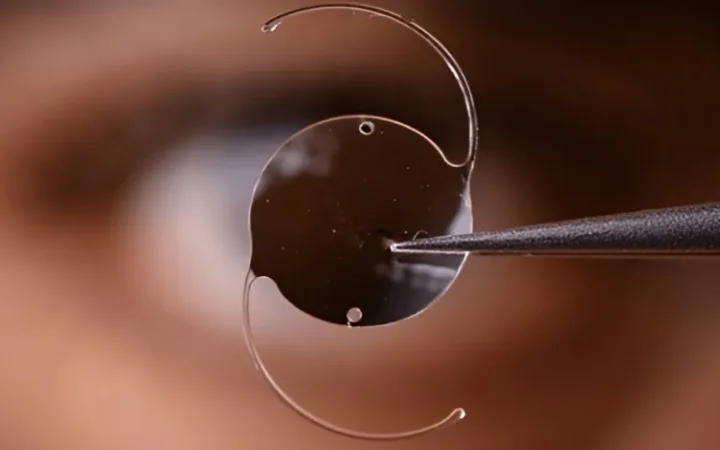
Multifocal Lens
Multifocal intraocular lenses that support both distance and near vision: an option in cataract and presbyopia treatment.
View
ICL Phakic Lens
For high nearsightedness, farsightedness or astigmatism, an ICL phakic lens is added to the eye without removing the natural lens; an option for eyes not suited to laser.
ViewFrequently asked questions
Toric Lens (Astigmatism): frequently asked questions
If you have another question, you can message us on WhatsApp.
How Long Does Toric Lens Surgery Take?
Toric lens surgery usually takes 10–20 minutes, and patients can usually go home the same day.
Does a Toric Lens Correct Astigmatism?
Yes. Toric lenses have a special design that corrects astigmatism, and because the lens stays in the eye, the correction is intended to be long-term.
Who Is a Candidate for a Toric Lens?
Toric lenses are for people with astigmatism, with or without nearsightedness (myopia) or farsightedness (hyperopia), who are having cataract surgery or lens replacement. Suitability is confirmed after a detailed eye examination.

Your doctor
Op. Dr. Murat Ün
He graduated from Trakya University Faculty of Medicine and completed his ophthalmology residency at Fatih Sultan Mehmet Training and Research Hospital. From 2004 to 2016 he worked at Dünyagöz Hospital in Ataköy, then at Medical Park and Batıgöz. Since 2021 he has been seeing patients at his own practice on Bağdat Caddesi.
- Education
Trakya University Faculty of Medicine
- Residency
Fatih Sultan Mehmet Training and Research Hospital, Ophthalmology
- 2001–2004
Yaşar Okuyan SSK Hospital
- 2004–2016
Dünyagöz Hospital, Ataköy
- 2016–2018
Medical Park Hospital
- 2018–2021
Batıgöz Health Group, Altunizade
- 2021 →
Own practice · Bağdat Caddesi, Kadıköy
Contracted insurers
Examination with your private health insurance
Before your appointment we confirm together what your policy covers for Toric Lens (Astigmatism). Coverage and any co-payment depend on your insurer’s approval.
- 01
 Allianz SigortaContracted
 - 02
 Anadolu SigortaContracted
 - 03
 SencardContracted
 - 04
 Türkiye SigortaContracted
 - 05
 MAPFRE SigortaContracted
 - 06
 Medisa SigortaContracted
 - 07
 AXA SigortaContracted
 - Insurer not on the list?Share your policy details and we will look at reimbursement options together.Ask on WhatsApp

