06/Cornea and Keratoconus
Intracorneal Ring Segments (Intacs) for Keratoconus
Thin ring segments (Intacs) placed inside the cornea to improve its shape in keratoconus and irregular astigmatism.
- Examination, surgery and follow-up with the same doctor
- Contracts with 7 private health insurers
- Bağdat Caddesi, Kadıköy

Short answer
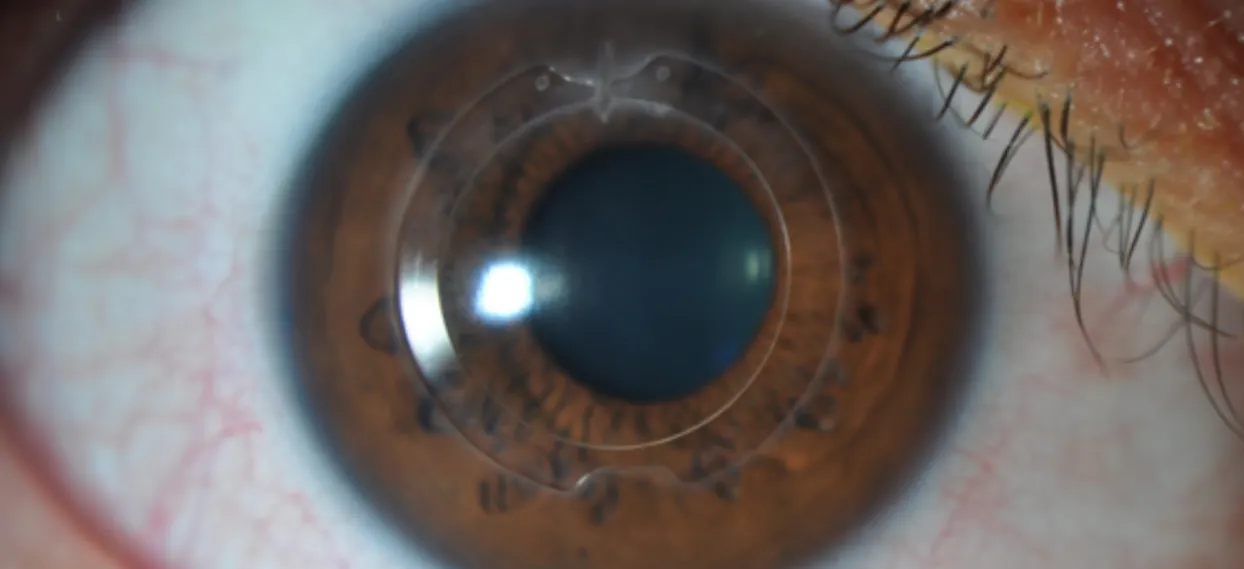
Intracorneal ring segments (Intacs) are thin, half-ring implants placed inside the corneal tissue to flatten the steepened part of the cornea in keratoconus. They aim to improve the quality of vision and make contact lenses easier to tolerate. They are often planned together with, or after, cross-linking.
What Is Intracorneal Ring Segment Treatment?
Intracorneal ring treatment is a surgical procedure used mainly in conditions such as keratoconus, in which the cornea becomes structurally thin and loses its normal shape. In this treatment, thin, semicircular ring segments are placed in the middle layer of the cornea (the stroma) to reshape it and help improve the quality of vision.
In the medical literature, these rings are called Intrastromal Corneal Ring Segments (ICRS). One of the most widely known ICRS systems is Intacs.
How the Rings Are Placed and How They Work
Intracorneal rings are inserted into small, specially created tunnels inside the cornea, without damaging its outer layer. The rings flatten the center of the cornea, bringing its optical center back into better alignment with the line of sight, so that light is focused more evenly on the retina.
After treatment, the cornea takes on a more regular and stable shape, and many patients can gain an improvement in sharpness of vision that glasses or contact lenses alone could not provide. The method is a useful option especially for people with keratoconus who find contact lenses difficult to wear or who cannot achieve adequate vision with them.
When Are Intracorneal Ring Segments Used?
Intracorneal ring treatment is used mainly for keratoconus and for other conditions in which the shape of the cornea is distorted and light cannot be focused properly. The treatment aims to improve the patient’s quality of vision and to give the cornea a more stable shape.
Intracorneal ring treatment may be used in the following situations:
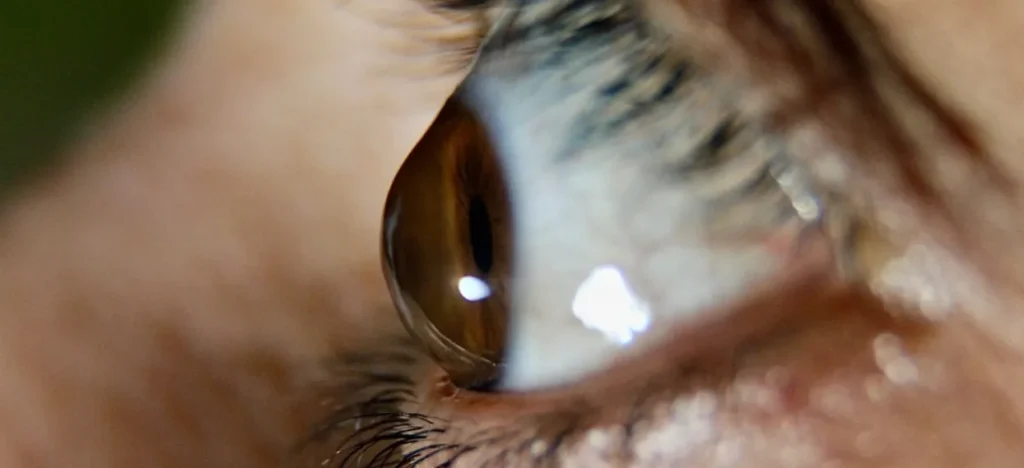
- Patients Diagnosed with Keratoconus: Keratoconus is a progressive eye disease in which the cornea thins and bulges forward into a cone shape. This distortion causes vision problems and scattering of light. By partly correcting the shape, intracorneal rings can help the patient see more clearly.
- When Glasses or Contact Lenses Do Not Provide Adequate Vision: Some people with keratoconus cannot reach a satisfactory level of vision despite wearing glasses or contact lenses. For them, intracorneal rings may be considered as an additional treatment option.
- People with Low Contact Lens Tolerance: For patients who struggle to wear contact lenses or who experience stinging or discomfort, intracorneal rings can help reduce dependence on lenses.
- People Whose Cornea Has Sufficient Thickness and a Stable Shape: The cornea needs to have a certain thickness and structural integrity for treatment. This is why not everyone is a suitable candidate for intracorneal rings, and a detailed examination is important.
How Is Intracorneal Ring (Intacs) Treatment Performed?
Intracorneal ring treatment is a short procedure that is usually performed on an outpatient basis. It is carried out under local anesthesia and takes about 15–20 minutes. Before treatment, the structure of the cornea is assessed in detail, and the appropriate ring type and placement plan are determined.
Intracorneal ring treatment usually involves the following steps:
- Local anesthesia is given with eye drops, so most patients feel little or no pain during the procedure. The eye area is cleaned and kept sterile.
- A small tunnel is created within the corneal tissue (the stroma), where the rings will be placed. The tunnel is made with a special laser or a fine micro-cutting instrument.
- The intracorneal rings are inserted into the corneal tunnel. By gently tensioning the corneal tissue, the rings help flatten the cornea.
- The cornea recovers quickly after the procedure. Patients go through a short recovery period, and the change in the eye becomes noticeable within a few weeks.
Advantages of Intracorneal Ring Treatment
In progressive corneal diseases such as keratoconus, intracorneal ring treatment is used both to improve the quality of vision and to support the structure of the cornea. Its key strengths are that it can be surgically reversed and that it does not remove any corneal tissue.
- Improves Quality of Vision:
By correcting the shape of the cornea, it helps light focus more evenly on the retina, which can reduce blurred or distorted vision. - May Help Slow the Progression of Keratoconus:
By supporting the cornea, Intacs implants may help slow keratoconus from advancing further. - Reduces the Need for Glasses and Contact Lenses:
The treatment can allow patients to rely less on glasses or contact lenses, and in some cases lenses may no longer be needed at all. - A Reversible Procedure:
Although Intacs involves surgery, it is a minimally invasive method. If necessary, the rings can be removed or replaced, which adds flexibility and an extra margin of safety.
Who Is Not a Candidate for Intracorneal Ring Treatment?
As with any treatment, intracorneal rings may not be suitable for every patient. The success of the procedure depends largely on the structure of the cornea and the stage of the disease. The decision should therefore be made by your eye doctor after a detailed examination and eye measurements. The treatment is generally not suitable for:
- People with insufficient corneal thickness
- People with very advanced keratoconus
- People with scarring or loss of clarity in the corneal tissue
- People with retinal or optic nerve disease
Recovery After Treatment and What to Watch For
Recovery after intracorneal ring treatment is usually quick and comfortable. However, a few points need attention to help healing go smoothly and to prevent possible complications.
- For a few days after the procedure, you may notice slightly blurred vision, light reflections (glare) or shadows. This is temporary and usually eases over time.
- The antibiotic and anti-inflammatory drops recommended by your eye doctor should be used regularly to reduce the risk of infection and support healing.
- In the first weeks, rubbing the eye or pressing on it can affect the position of the rings. You should therefore avoid touching your eye and pay close attention to hygiene.
- It is advisable to avoid activities such as swimming and saunas for the first few weeks. Heavy lifting and strenuous exercise should also be postponed during recovery.
- Your scheduled follow-up visits are important for checking the position of the rings and assessing your vision. If you notice any unexpected discomfort in your eye, contact your eye doctor without delay.
How Do Intracorneal Rings Compare with Other Treatment Options?
For keratoconus and other progressive corneal diseases, several treatments are available. Which one is chosen depends on the stage of the disease, corneal thickness, level of vision and the patient’s lifestyle. Among these options, intracorneal ring treatment stands out as surgically less invasive and reversible.
Intracorneal Rings vs. Cross-Linking (CXL)
Cross-linking aims to strengthen the biomechanical structure of the cornea and is used to halt the progression of the disease. It offers only limited improvement in sharpness of vision.
Intracorneal rings, on the other hand, aim to partly correct the distorted shape of the cornea and therefore have the potential to improve visual quality. When needed, the two treatments can also be used together.
Intracorneal Rings vs. Glasses and Contact Lenses
In early keratoconus, glasses or contact lenses may be enough. In more advanced cases, however, good vision may no longer be possible with these alone. This is where intracorneal rings come in, offering a new option for patients who cannot tolerate contact lenses.
Intracorneal Rings vs. Corneal Transplant (Keratoplasty)
In advanced keratoconus, when rings are not enough, a corneal transplant (penetrating or lamellar keratoplasty) may be considered. This is a more extensive operation that cannot be undone.
Intracorneal ring treatment is a more conservative, structure-supporting approach that can be used before a transplant is considered.
Are Intracorneal Rings Permanent?
Once implanted in the cornea, intracorneal rings are durable implants that can stay in place for many years. One of the most important features of this treatment, however, is that the rings can be removed if necessary.
This makes the treatment both effective and flexible. If the structure of the eye changes or the expected result is not achieved, the surgeon can remove or reposition the rings. This makes intracorneal ring treatment more reversible and controllable than other, irreversible surgical procedures.
However, removing the rings does not simply erase the effects of the treatment. The shape of the cornea and the level of vision may change after the rings are removed, so removal is not recommended in every case. The decision should be based on the patient’s individual situation.
Intracorneal rings are one of the treatment options used to help reshape the cornea in corneal diseases such as keratoconus.
To learn more about intracorneal ring treatment and to be evaluated by an ophthalmologist, you can reach the practice by phone, WhatsApp or the appointment form.
The information on this page is for general information only and does not replace diagnosis or treatment. In any surgical or interventional procedure, results vary from person to person. Please get a detailed opinion from your doctor before any procedure.
Cornea and Keratoconus options
Related treatment pages
Keratoconus
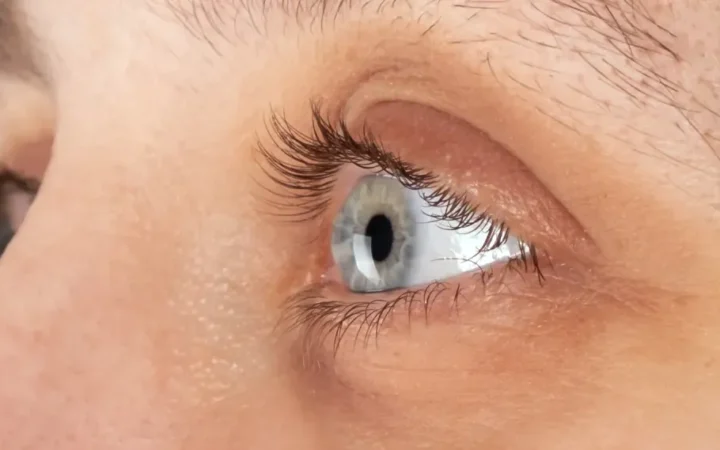
Treatments for keratoconus, a condition in which the cornea thins and bulges forward into a cone, aimed at halting its progression and improving vision.
View
Cross-Linking
Cross-linking treatment for keratoconus, which strengthens the bonds between the collagen fibers of the cornea to halt the progression of the disease.
View
Cornea Treatments
Diagnosis and treatment for the clear front layer of the eye, including corneal infections, keratoconus, dry eye and corneal transplant.
ViewFrequently asked questions
Intracorneal Ring Segments: frequently asked questions
If you have another question, you can message us on WhatsApp.
How Many Sessions Does Intacs Treatment Take?
It is usually done in a single session, and the rings are placed in the cornea to stay there long term. If necessary, they can be removed or adjusted.
Is the Intacs Procedure Painful?
Because it is performed under local anesthesia, most patients feel little or no pain during the procedure. Mild discomfort may follow, but it is temporary.
When Does Vision Improve After Intacs?
Most patients notice an improvement in the quality of their vision a few weeks after Intacs treatment. Full recovery, however, can take several months.
Is Intacs Treatment Permanent?
Intacs rings are placed in the cornea to remain there long term, but they can be removed or replaced if needed.

Your doctor
Op. Dr. Murat Ün
He graduated from Trakya University Faculty of Medicine and completed his ophthalmology residency at Fatih Sultan Mehmet Training and Research Hospital. From 2004 to 2016 he worked at Dünyagöz Hospital in Ataköy, then at Medical Park and Batıgöz. Since 2021 he has been seeing patients at his own practice on Bağdat Caddesi.
- Education
Trakya University Faculty of Medicine
- Residency
Fatih Sultan Mehmet Training and Research Hospital, Ophthalmology
- 2001–2004
Yaşar Okuyan SSK Hospital
- 2004–2016
Dünyagöz Hospital, Ataköy
- 2016–2018
Medical Park Hospital
- 2018–2021
Batıgöz Health Group, Altunizade
- 2021 →
Own practice · Bağdat Caddesi, Kadıköy
Contracted insurers
Examination with your private health insurance
Before your appointment we confirm together what your policy covers for Intracorneal Ring Segments. Coverage and any co-payment depend on your insurer’s approval.
- 01
 Allianz SigortaContracted
 - 02
 Anadolu SigortaContracted
 - 03
 SencardContracted
 - 04
 Türkiye SigortaContracted
 - 05
 MAPFRE SigortaContracted
 - 06
 Medisa SigortaContracted
 - 07
 AXA SigortaContracted
 - Insurer not on the list?Share your policy details and we will look at reimbursement options together.Ask on WhatsApp

