06/Cornea and Keratoconus
Corneal Diseases and Treatments
Diagnosis and treatment for the clear front layer of the eye, including corneal infections, keratoconus, dry eye and corneal transplant.
- Examination, surgery and follow-up with the same doctor
- Contracts with 7 private health insurers
- Bağdat Caddesi, Kadıköy


Short answer
The cornea is the clear layer at the very front of the eye and plays a decisive role in the quality of vision. This area of care covers keratoconus, corneal infections and ulcers, dry eye, corneal dystrophies and injuries. Treatment ranges from eye drops to cross-linking, intracorneal ring segments and corneal transplant.
Corneal Treatment Options
For detailed information about specific corneal treatments, you can visit the dedicated pages below. You can also keep reading this page for a broader overview of the cornea and other treatment options.
What You Should Know About the Cornea
The cornea is the clear, dome-shaped layer at the very front of the eye. As the point where light enters the eye, it starts the process of seeing and also helps protect the eye from the outside world.
It is critical for the quality of vision because it bends light and focuses it toward the retina. Its transparency allows sharp images to form. Covering the outer surface of the eye, it also acts as the first line of defense against germs and other external factors.
Any problem with the health of the cornea can cause blurred vision, sensitivity to light or a stinging, gritty feeling in the eye. Understanding the structure and functions of the cornea is therefore one of the first steps in protecting your eye health.
What Is the Structure of the Cornea and What Does It Do?
The cornea is a specialized structure made up of five main layers, each of which contributes to the quality of vision. These layers allow light to be refracted correctly while also providing protection:
- Epithelium: The outermost layer of the cornea. It protects the surface of the eye from external factors and, with the help of tears, keeps it constantly moist.
- Bowman’s Layer: Lies just beneath the epithelium. It gives the cornea extra strength and acts as a protective barrier.
- Stroma: Making up about 90% of the cornea’s thickness, this layer consists of collagen fibers and helps light to be refracted correctly.
- Descemet’s Membrane: A thin but strong layer that supports the elasticity and structural integrity of the cornea.
- Endothelium: This innermost layer keeps the cornea clear. By pumping out excess fluid, it prevents the cornea from swelling.
Working together, these layers allow the cornea both to provide optical clarity and to protect the eye against external factors.
Treatments Used for Corneal Conditions
Corneal treatments vary depending on the type and severity of the condition. Recommended by ophthalmologists, these methods aim to improve the quality of vision and protect the structure of the cornea. Here are the main corneal treatments in common use:
- Contact Lenses and Glasses: Among the first options for mild astigmatism and corneal surface irregularities. They correct vision problems temporarily.
- Laser Treatments (LASIK, PRK): By reshaping the cornea, refractive errors such as nearsightedness (myopia), farsightedness (hyperopia) and astigmatism can be treated.
- Corneal Transplant: In cases of severe corneal damage or advanced keratoconus, the damaged tissue can be replaced with a healthy donor cornea to help restore vision.
- Corneal Cross-Linking: A treatment used to halt the progression of progressive corneal diseases such as keratoconus. It strengthens the structure of the cornea.
- Intracorneal Ring Segments (ICRS): Help correct the curvature of the cornea in patients with keratoconus. A supportive treatment that can improve the quality of vision.
The right option is chosen according to the structure of each patient’s eye and their needs. A detailed eye examination is recommended to plan the appropriate treatment.
What Are the Common Corneal Diseases?
Because it is the first layer of the eye to come into contact with the outside world, the cornea is vulnerable to many different diseases. Corneal diseases can directly affect the quality of vision and, if not treated in time, can lead to lasting problems. These are the main conditions commonly managed with corneal treatments:
- Keratoconus:
Characterized by thinning of the cornea and a cone-shaped bulge. It causes irregular astigmatism and blurred vision. It usually starts at a young age and tends to progress. - Corneal Infections (Keratitis):
Infections caused by microorganisms such as bacteria, viruses or fungi. In contact lens wearers in particular, not following hygiene rules increases the risk of infection. - Corneal Ulcer:
An open sore on the cornea. It is usually the result of an untreated infection and can lead to vision loss if not treated promptly. - Corneal Dystrophies:
These inherited conditions disrupt the normal structure of the corneal cells. They cause symptoms such as slowly progressive vision loss and blurred vision. - Corneal Edema:
Caused by fluid building up in the cornea, which reduces its clarity and affects vision. It most often develops because the endothelial layer is not working properly.
Corneal treatment is tailored to the type and stage of each disease. Regular check-ups and early diagnosis are very important for protecting eye health.

5 Effective Tips for Protecting Your Corneal Health
The cornea is one of the cornerstones of eye health. Daily habits and environmental factors can have a direct effect on it. Here are some important points to support corneal health and take preventive steps before corneal treatment becomes necessary:
- Take Care with Contact Lens Hygiene
Clean your lenses with the appropriate solutions before and after each use. Wearing lenses for too long and poor hygiene can increase the risk of corneal infections. - Give Your Eyes Regular Breaks
Looking at screens for long periods can dry out the surface of the eye. Following the 20-20-20 rule (every 20 minutes, look at something about 20 feet away for 20 seconds) helps your eyes relax and is good for corneal health. - Protect Your Eyes with Protective Eyewear
UV rays and chemicals can damage the cornea. Wearing sunglasses with a UV filter on sunny days supports your eye health. - Do Not Skip Regular Eye Exams
Eye diseases can often progress without causing symptoms. Changes in the structure of the cornea can be detected at an early stage with regular check-ups. - Keep Your Eyes Moist
Drinking enough water and, if needed, using artificial tears helps keep the surface of the eye moist. This helps maintain the clarity and function of the cornea.
Protecting your corneal health is critical for preventing possible vision problems. If you notice even a slight change in your eyes, it is important to consult a specialist. That way, any corneal treatment you need can be planned earlier and more effectively.
The Link Between the Cornea and Quality of Vision
The cornea is the outermost layer of the eye and also its most powerful focusing surface. By focusing light correctly on the retina, it contributes to clear, sharp vision. However, irregularities on the corneal surface can directly affect the quality of vision.
Refractive errors such as astigmatism, in particular, can result from irregularities in the shape of the cornea. Thinning of the cornea can also set the stage for certain specific eye diseases. Regular checks of the corneal structure are therefore an important step in preserving the quality of vision.
Early evaluation helps ensure that the appropriate corneal treatment is planned correctly.
The cornea is one of the eye’s essential structures, with both a protective and an optical role. Keeping the cornea healthy is very important for clear, sharp vision.
The structural integrity of the corneal surface allows light to focus correctly on the retina. Changes in the cornea can therefore affect the quality of vision.
Corneal treatments and regular eye check-ups can help support the health of this structure. Taking good care of your cornea is important for protecting your eye health in the long term and for enjoying good-quality vision.
Corneal treatments play a key role in regaining clear vision and protecting eye health. Every eye is different, and your treatment should be too.
To discuss a treatment approach tailored to you and to book an initial examination, you can reach the practice by phone, WhatsApp or the appointment form.
The information on this page is for general information only and does not replace diagnosis or treatment. In any surgical or interventional procedure, results vary from person to person. Please get a detailed opinion from your doctor before any procedure.
Cornea and Keratoconus options
Related treatment pages
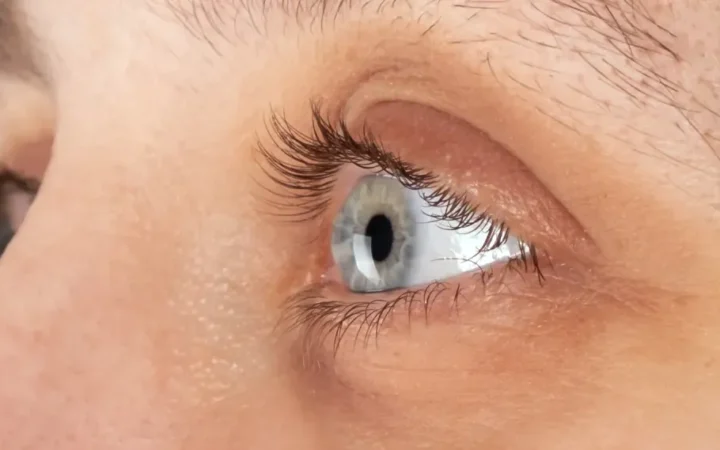
Keratoconus
Treatments for keratoconus, a condition in which the cornea thins and bulges forward into a cone, aimed at halting its progression and improving vision.
View
Cross-Linking
Cross-linking treatment for keratoconus, which strengthens the bonds between the collagen fibers of the cornea to halt the progression of the disease.
View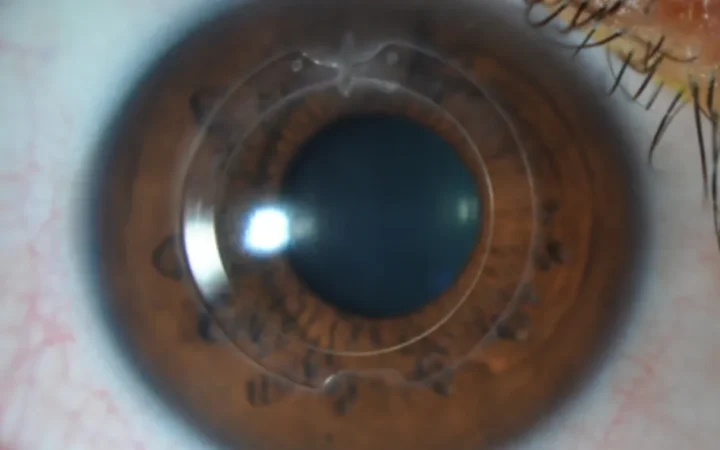
Intracorneal Ring Segments
Thin ring segments (Intacs) placed inside the cornea to improve its shape in keratoconus and irregular astigmatism.
ViewFrequently asked questions
Cornea Treatments: frequently asked questions
If you have another question, you can message us on WhatsApp.
How Is a Corneal Transplant Performed?
A corneal transplant (keratoplasty) replaces damaged or diseased corneal tissue with healthy donor cornea. Depending on how much of the cornea is affected, the surgeon removes either all of its layers (penetrating keratoplasty) or only the damaged layers (lamellar keratoplasty) and replaces them with donor corneal tissue. It is one of the main treatments used to reduce vision loss when the cornea is severely damaged.
How Are Lasers Used in Corneal Treatment?
Laser treatment is used to reshape the surface of the cornea. Methods such as LASIK and PRK can correct vision problems such as nearsightedness, farsightedness and astigmatism.

Your doctor
Op. Dr. Murat Ün
He graduated from Trakya University Faculty of Medicine and completed his ophthalmology residency at Fatih Sultan Mehmet Training and Research Hospital. From 2004 to 2016 he worked at Dünyagöz Hospital in Ataköy, then at Medical Park and Batıgöz. Since 2021 he has been seeing patients at his own practice on Bağdat Caddesi.
- Education
Trakya University Faculty of Medicine
- Residency
Fatih Sultan Mehmet Training and Research Hospital, Ophthalmology
- 2001–2004
Yaşar Okuyan SSK Hospital
- 2004–2016
Dünyagöz Hospital, Ataköy
- 2016–2018
Medical Park Hospital
- 2018–2021
Batıgöz Health Group, Altunizade
- 2021 →
Own practice · Bağdat Caddesi, Kadıköy
Contracted insurers
Examination with your private health insurance
Before your appointment we confirm together what your policy covers for Cornea Treatments. Coverage and any co-payment depend on your insurer’s approval.
- 01
 Allianz SigortaContracted
 - 02
 Anadolu SigortaContracted
 - 03
 SencardContracted
 - 04
 Türkiye SigortaContracted
 - 05
 MAPFRE SigortaContracted
 - 06
 Medisa SigortaContracted
 - 07
 AXA SigortaContracted
 - Insurer not on the list?Share your policy details and we will look at reimbursement options together.Ask on WhatsApp

