08/Glaucoma (Eye Pressure)
Glaucoma Treatment: Eye Drops, Laser and Surgery
Early diagnosis of glaucoma, an eye pressure-related disease that can damage the optic nerve, and its treatment with eye drops, laser or surgery.
- Examination, surgery and follow-up with the same doctor
- Contracts with 7 private health insurers
- Bağdat Caddesi, Kadıköy

Short answer
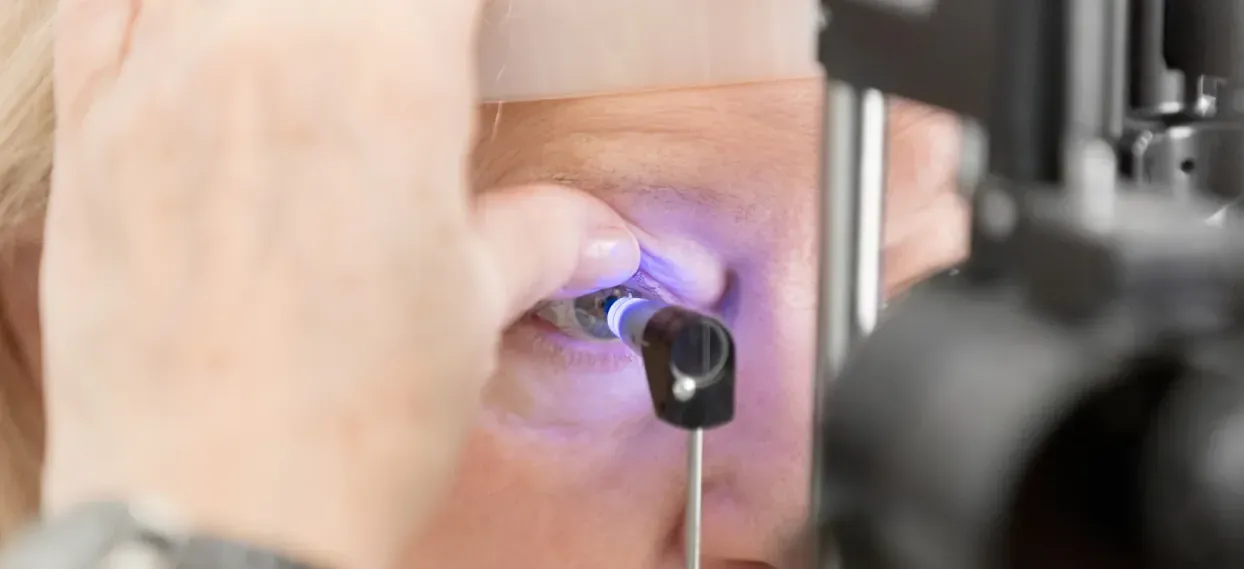
Glaucoma is a disease in which the optic nerve is damaged, most often because of raised eye pressure, and it may cause no symptoms for a long time. Diagnosis involves checking eye pressure, the visual field and the nerve fiber layer (with OCT). Treatment usually starts with eye drops; laser or surgery is used if needed. Because vision lost to glaucoma does not come back, early diagnosis is important.
What Is Glaucoma?
Glaucoma, often referred to in everyday language as high eye pressure, is a progressive eye disease in which raised pressure inside the eye (intraocular pressure) can damage the optic nerve. This rise in pressure occurs when the fluid produced inside the eye cannot drain properly. Over time it can narrow your field of vision and, if left untreated, lead to permanent vision loss.
Because most types of glaucoma develop silently, the disease may cause no symptoms for a long time. That is why regular eye exams are so important for detecting glaucoma early and starting glaucoma treatment in time.
What Causes Glaucoma?
Glaucoma usually develops when the fluid balance inside the eye is disrupted. If the fluid produced inside the eye cannot drain adequately, eye pressure can rise over time. This puts stress on the optic nerve and can affect vision.
Factors that may contribute to glaucoma include:
- Fluid imbalance inside the eye: When the balance between the production and drainage of fluid in the eye is disrupted, pressure can rise.
- Genetic predisposition: The risk may be higher in people with a family history of glaucoma.
- Older age: Age-related changes in the structures inside the eye can increase the risk of glaucoma.
- Certain health conditions: Systemic diseases such as diabetes and high blood pressure may affect the risk of glaucoma.
- Long-term steroid use: Corticosteroids, whether used as eye drops or taken systemically, can affect eye pressure.
Because everyone’s risk factors are different, regular eye exams are important. Early check-ups make it possible to offer effective, individualized glaucoma treatment.
How Is Glaucoma Diagnosed?
Because glaucoma usually progresses slowly, it may cause no symptoms in its early stages. That is why detecting it early through regular eye exams is so important. Several measurements and assessments are used to diagnose glaucoma.
The main tests used to diagnose glaucoma are:
- Eye Pressure Measurement (Tonometry):
This test measures the pressure inside the eye and is the first step in assessing glaucoma risk. - Visual Field Test:
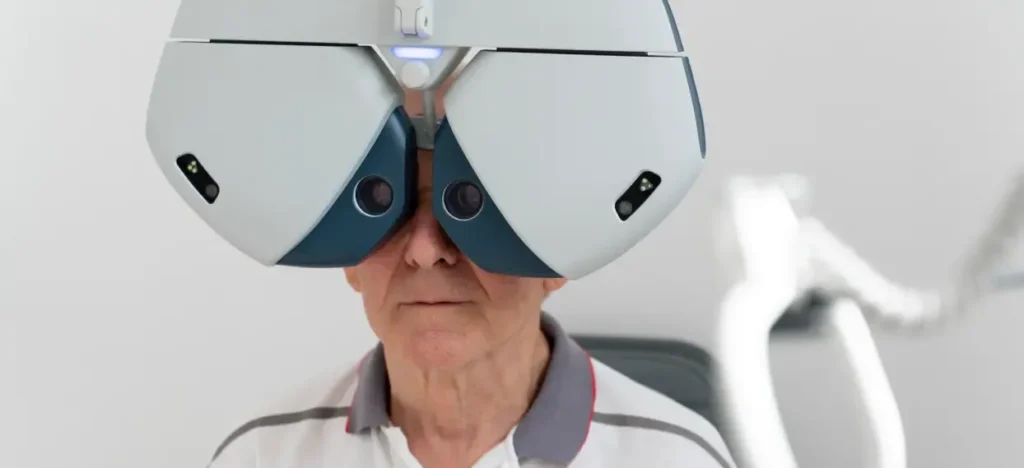
Helps determine whether your field of vision has narrowed. Vision loss from glaucoma usually begins in peripheral (side) vision. - Optic Nerve and Retina Examination:
The optic nerve head and the retina are assessed during a dilated eye exam. Changes in these structures provide information about whether glaucoma is present.
These tests can detect the early signs of glaucoma and allow a suitable follow-up plan to be made. Glaucoma treatment is also usually planned on the basis of these findings.
Which Treatments Are Used for Glaucoma?
Because glaucoma carries a risk of damaging the optic nerve, it requires regular follow-up and an individual treatment plan. The choice of treatment depends on the stage of the disease, the level of eye pressure and the condition of the optic nerve. The aim is to bring eye pressure under control and slow the progression of the disease.
The main glaucoma treatment options are:
- Medication (Eye Drops):
This is the most commonly used first treatment. These drops help lower eye pressure, must be used regularly and are used under a doctor’s supervision. - Laser Treatment (for example, Selective Laser Trabeculoplasty):
Laser treatments aim to lower eye pressure by increasing the outflow of fluid from the eye. They may be used as a first treatment or alongside eye drops. - Surgery (Trabeculectomy, Tube Implants):
Surgery may be needed when medication and laser are not enough. These procedures allow fluid to drain from the eye more effectively.
Each patient’s treatment plan is based on an individual assessment, so people with suspected glaucoma should not miss their regular eye check-ups.
Which Glaucoma Treatment Is Suitable for Whom?
The methods used for glaucoma treatment are chosen according to the stage of the disease and the person’s general health. Because everyone’s eyes and disease course are different, the treatment plan is tailored to each individual.
Treatment options are generally grouped as follows:
- Mild Glaucoma:
Can usually be controlled with eye drops that regulate eye pressure. This approach requires regular follow-up with your doctor. - Moderate Glaucoma:
In addition to drops, laser treatment (for example, selective laser trabeculoplasty – SLT) may be chosen. This often helps reduce the need for medication. - Advanced Glaucoma:
If medication and laser are not enough, surgery may be considered. Procedures such as trabeculectomy or tube implants aim to keep eye pressure under control over the long term.
Keep in mind that the choice of method can only be made after an assessment by an ophthalmologist. Regular check-ups and individual planning are therefore very important for the success of glaucoma treatment.
Why Is Early Diagnosis Important?
Glaucoma often progresses slowly and without symptoms, which is why early diagnosis matters so much for treatment. Raised eye pressure can damage the optic nerve over time, but regular check-ups make it possible to detect this process early and slow it down.
Benefits of early diagnosis:
- It helps protect your eye health.
- It helps reduce the risk of problems such as permanent loss of visual field.
- It allows even types of glaucoma that cause no symptoms to be recognized in time.
- It allows treatment options to be planned more effectively.
Routine eye exams play a critical role in early diagnosis, especially for people in risk groups (such as those with a family history of glaucoma and people over 40). The importance of regular check-ups in protecting eye health should not be overlooked.
Benefits of Glaucoma Treatment
Glaucoma treatment helps protect the optic nerve by bringing eye pressure under control. When treatment starts early, it is possible to support eye health and preserve visual function over time.
The main benefits of treatment are:
- Balanced eye pressure: Keeping eye pressure under control helps preserve your field of vision.
- Support for visual function: Appropriate treatment aims to preserve the vision you rely on in daily life.
- Long-term protection of eye health: Treatment can slow the progression of glaucoma and help prevent possible complications.
Every person’s eyes and type of glaucoma are different, so treatment should be planned individually. Regular follow-up and following your doctor’s advice are important for protecting your eye health.
The Role of Nutrition in Glaucoma Treatment
Diet affects not only your general health but also the health of your eyes. For people being treated for glaucoma, a balanced, well-planned diet may help support the tissues of the eye.
Getting enough of certain vitamins and minerals may help nourish the nerves of the eye and support overall eye function. With this in mind, you may choose foods rich in nutrients such as:
- vitamins C, E and A,
- zinc,
- omega-3 fatty acids.
Foods such as fresh vegetables and fruit, whole grains, fish and walnuts can help keep the eyes healthy. Keeping caffeine and salt intake moderate may also help some people manage their eye pressure.
Remember that diet alone is not a treatment. Glaucoma must always be followed up by an eye doctor, and each person’s needs should be assessed individually.
What to Keep in Mind After Glaucoma Treatment
Glaucoma usually needs long-term care. After treatment has started, or after a laser or surgical procedure, a few points help protect your eye health and keep the treatment effective. Regular follow-up and a few simple changes to your daily habits support a healthier course.
Points to keep in mind after treatment:
- Regular check-ups: Periodic eye exams after treatment allow your eye pressure to be monitored and your treatment plan to be updated if needed.
- Using your medication regularly: Eye drops and other treatments should be used exactly as prescribed. Stopping them or changing the dose on your own is not recommended.
- Eye hygiene: Especially after surgery, it is important to keep the eye clean and protect it from external factors.
- Healthy lifestyle habits: General healthy habits such as a balanced diet, regular sleep and reducing stress also benefit your eyes.
- Activities that support circulation: Light exercise supports general circulation and can help protect eye health.
To keep the treatment working effectively, follow your doctor’s advice closely and keep track of any symptoms.
Glaucoma often progresses without symptoms, but it can be kept under control with early diagnosis and regular follow-up.
For more information about glaucoma or an assessment by an eye specialist, you can reach the practice by phone, WhatsApp or the appointment form.
The information on this page is for general information only and does not replace diagnosis or treatment. In any surgical or interventional procedure, results vary from person to person. Please get a detailed opinion from your doctor before any procedure.
Frequently asked questions
Glaucoma: frequently asked questions
If you have another question, you can message us on WhatsApp.
How Long Does Glaucoma Treatment Last?
Glaucoma usually needs long-term, often lifelong, follow-up and treatment rather than a single course. Treatment is given to prevent vision loss: with early diagnosis and treatment, damage to the optic nerve can be stopped or slowed. How often you need check-ups is decided at your examination.

Your doctor
Op. Dr. Murat Ün
He graduated from Trakya University Faculty of Medicine and completed his ophthalmology residency at Fatih Sultan Mehmet Training and Research Hospital. From 2004 to 2016 he worked at Dünyagöz Hospital in Ataköy, then at Medical Park and Batıgöz. Since 2021 he has been seeing patients at his own practice on Bağdat Caddesi.
- Education
Trakya University Faculty of Medicine
- Residency
Fatih Sultan Mehmet Training and Research Hospital, Ophthalmology
- 2001–2004
Yaşar Okuyan SSK Hospital
- 2004–2016
Dünyagöz Hospital, Ataköy
- 2016–2018
Medical Park Hospital
- 2018–2021
Batıgöz Health Group, Altunizade
- 2021 →
Own practice · Bağdat Caddesi, Kadıköy
Contracted insurers
Examination with your private health insurance
Before your appointment we confirm together what your policy covers for Glaucoma. Coverage and any co-payment depend on your insurer’s approval.
- 01
 Allianz SigortaContracted
 - 02
 Anadolu SigortaContracted
 - 03
 SencardContracted
 - 04
 Türkiye SigortaContracted
 - 05
 MAPFRE SigortaContracted
 - 06
 Medisa SigortaContracted
 - 07
 AXA SigortaContracted
 - Insurer not on the list?Share your policy details and we will look at reimbursement options together.Ask on WhatsApp

