03/Cataract Surgery
Monofocal Lens Cataract Surgery
Monofocal intraocular lenses used in cataract surgery provide clear focus at a single distance, most often for far vision.
- Examination, surgery and follow-up with the same doctor
- Contracts with 7 private health insurers
- Bağdat Caddesi, Kadıköy

Short answer
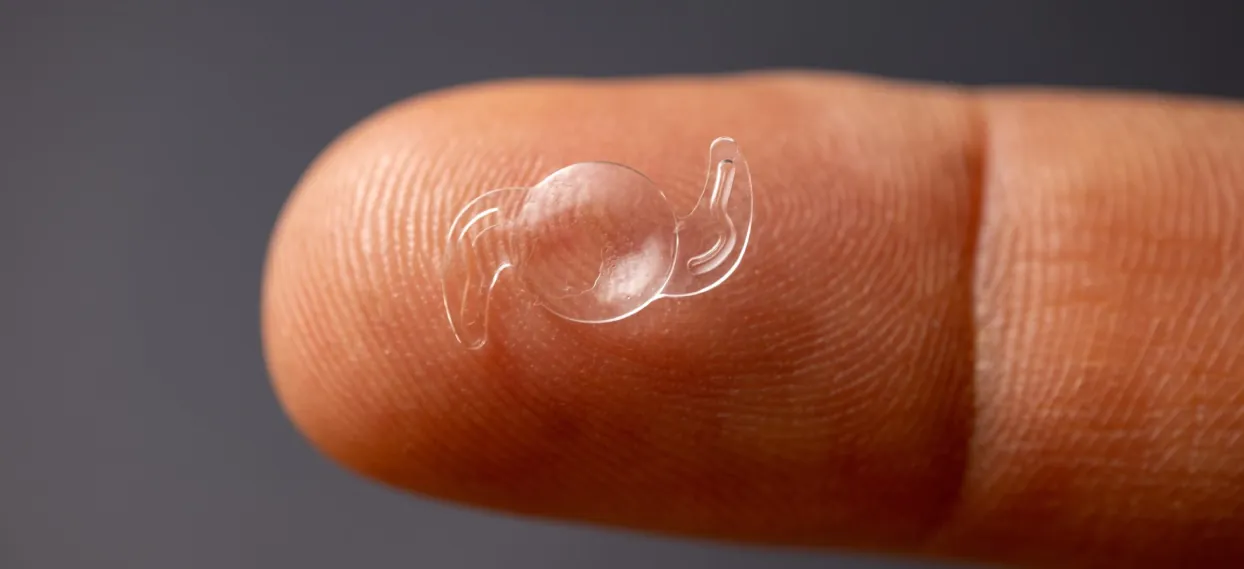
A monofocal lens is an intraocular lens that focuses at a single distance, usually far. It offers high contrast sensitivity and rarely causes halos at night; reading glasses are usually needed for near vision. It is often the preferred option for people with retinal or optic nerve disease.
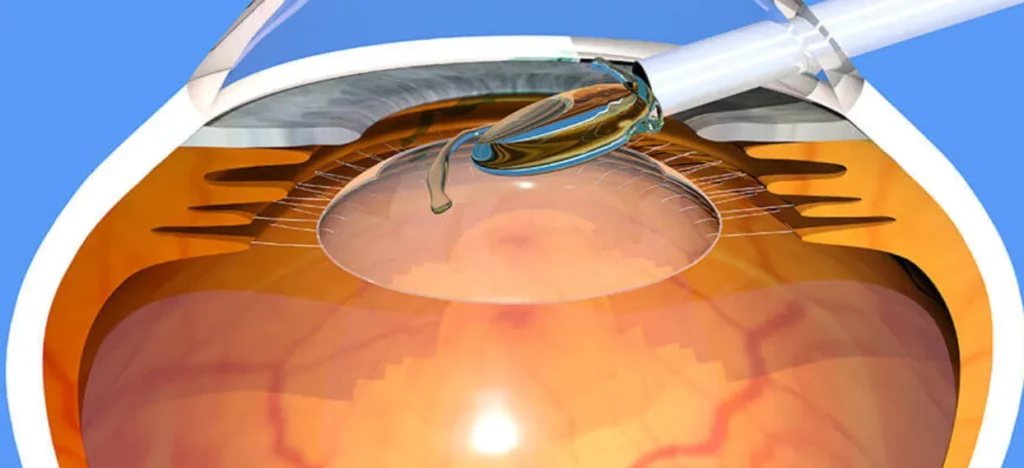
Monofocal lenses are single-focus intraocular lenses that have been used reliably in cataract surgery for many years. The basic aim of cataract surgery is to remove the natural lens that has lost its clarity and replace it with an artificial one. The type of lens chosen at this stage has a direct effect on the quality of your vision and your everyday comfort after surgery, which makes it one of the key decisions you will make during the process. On this page, we look at monofocal (single-focus) lenses, the long-established cornerstone of cataract surgery.
What Is a Monofocal (Single-Focus) Lens?
A monofocal lens is an intraocular lens designed to bring light to a single point of focus. It is usually planned to give clear distance vision, with the aim of comfortable vision for everyday activities such as watching TV, driving or spending time outdoors.
Because they have a single focus, these lenses do not split the image, so vision quality is not compromised. They are especially preferred when sharpness and contrast are the priority.
What Is Vision Like with a Monofocal Lens?
Distance Vision
In most cataract operations, monofocal lenses are set so that the patient can see far (for activities such as watching TV, driving or seeing a cinema screen) clearly without glasses or with only a low-power pair.
Near and Intermediate Vision
When the lens is set for distance, the patient will need reading glasses for near tasks (reading a book, using a phone, sewing).
What Are the Advantages of Monofocal Lenses?
Despite advances in lens technology, monofocal lenses are still a highly reliable option for many patients.
High Image Quality
Because they focus light on a single point without splitting it, they provide very sharp, clear vision, especially at distance. Contrast sensitivity (the ability to tell objects apart from their background) is usually very good with these lenses.
Fewer Light Effects
Photic phenomena such as halos around lights or glare at night, which can sometimes occur with multifocal (multi-focus) lenses, are much less common with monofocal lenses. This is an important advantage, especially for people who drive at night.
Easy Adaptation
The brain usually adapts to a monofocal lens quickly, and vision becomes stable within a short time.
Lower Cost
Monofocal lenses are generally included in the standard coverage of social security schemes and private health insurance, and they cost less than multifocal lenses, which rely on more specialized technology.
Limitations of Monofocal Lenses: What You Should Know
The main “drawback” of monofocal lenses is that they cannot mimic accommodation, the ability of the young natural lens to change focus between distances.
Need for Reading Glasses
Even if you see clearly at distance after surgery, you will need reading glasses to read a newspaper, look at a menu or use a computer.
Intermediate-Distance Comfort
Vision at “intermediate” distances, such as a computer screen or a kitchen counter, may also be slightly blurred, and glasses may be needed for these distances too.
What Is Monovision?
Some people may choose a monofocal lens but still want to depend much less on glasses. In this case, a method called monovision can be considered. One eye is set for distance, while the other is left slightly nearsighted (myopic) so that it sees near (or intermediate) distances.
Over time, the brain combines these two different images into functional vision, so that both distance and near can be seen with acceptable clarity. However, this approach may not suit everyone, and the decision should be made after a preliminary assessment.
Who Are Monofocal Lenses Suitable For?
Monofocal lenses may be a particularly good choice for:
- People who drive at night and want to avoid halos and glare
- People with additional eye conditions affecting the retina
- People who do not mind wearing reading glasses
- People looking for a reliable, lower-cost option
- In cataract surgery, there is no single “ideal lens” for everyone; there is the “lens that suits your eyes and your lifestyle”.
With their clear image quality and reliability, monofocal lenses remain a standard and widely used choice in cataract surgery.
The information on this page is for general information only and does not replace diagnosis or treatment. In any surgical or interventional procedure, results vary from person to person. Please get a detailed opinion from your doctor before any procedure.
Cataract Surgery options
Related treatment pages
Cataract Surgery
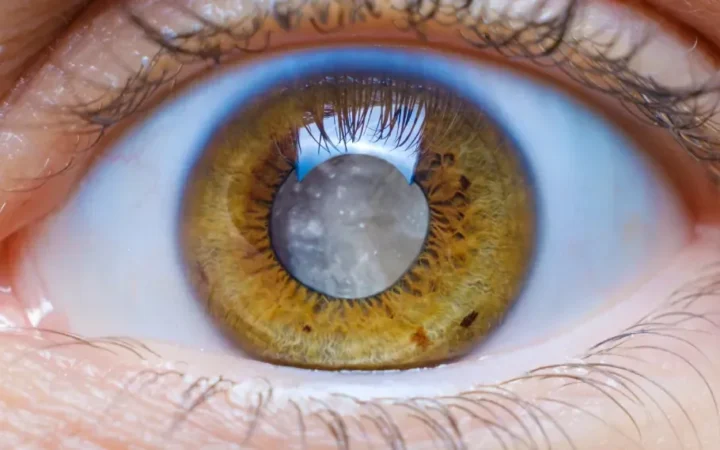
The clouded natural lens is removed using the phaco technique and replaced with an intraocular lens suited to your needs; the lens is chosen together with you.
View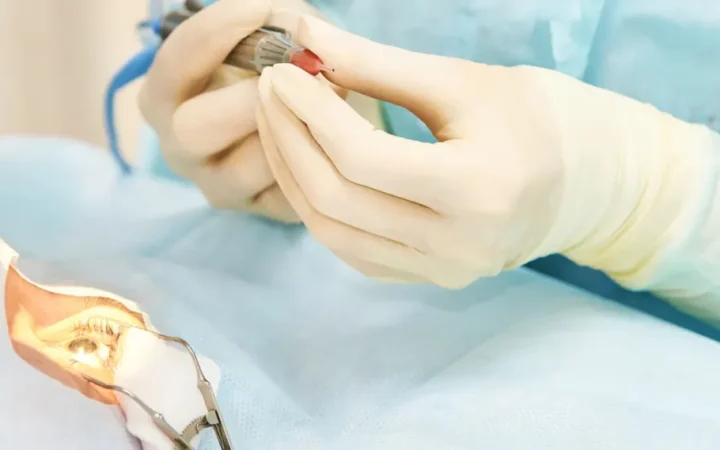
Phaco Method
The standard technique in cataract surgery: the cloudy lens is removed with ultrasound through a small incision and replaced with an intraocular lens.
View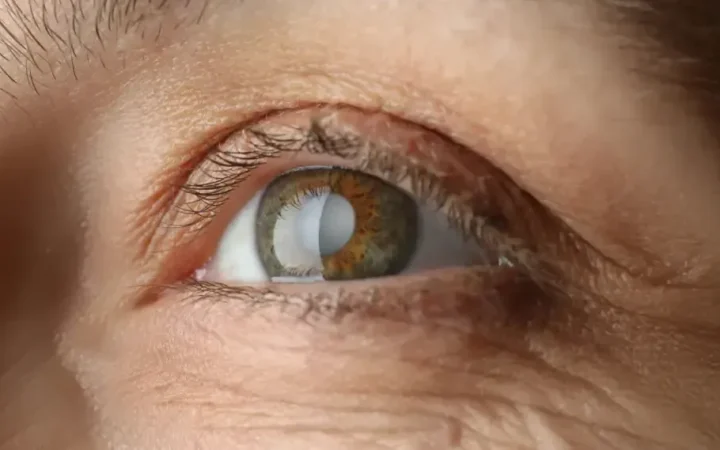
Femtosecond Laser
The femtosecond laser is used in cataract and refractive surgery to plan incisions and procedures within the cornea with high precision.
ViewFrequently asked questions
Monofocal Lens: frequently asked questions
If you have another question, you can message us on WhatsApp.
Can I see up close with a monofocal lens?
A monofocal lens is usually chosen to focus at distance, in which case you will need glasses for reading. In some patients, the two eyes can be focused at different distances (monovision) to reduce the need for glasses.
Is a monofocal lens covered by insurance?
Cataract surgery with a monofocal lens is covered by most private health insurance policies in Türkiye; your exact coverage is confirmed when your insurer gives pre-approval for the procedure.

Your doctor
Op. Dr. Murat Ün
He graduated from Trakya University Faculty of Medicine and completed his ophthalmology residency at Fatih Sultan Mehmet Training and Research Hospital. From 2004 to 2016 he worked at Dünyagöz Hospital in Ataköy, then at Medical Park and Batıgöz. Since 2021 he has been seeing patients at his own practice on Bağdat Caddesi.
- Education
Trakya University Faculty of Medicine
- Residency
Fatih Sultan Mehmet Training and Research Hospital, Ophthalmology
- 2001–2004
Yaşar Okuyan SSK Hospital
- 2004–2016
Dünyagöz Hospital, Ataköy
- 2016–2018
Medical Park Hospital
- 2018–2021
Batıgöz Health Group, Altunizade
- 2021 →
Own practice · Bağdat Caddesi, Kadıköy
Contracted insurers
Examination with your private health insurance
Before your appointment we confirm together what your policy covers for Monofocal Lens. Coverage and any co-payment depend on your insurer’s approval.
- 01
 Allianz SigortaContracted
 - 02
 Anadolu SigortaContracted
 - 03
 SencardContracted
 - 04
 Türkiye SigortaContracted
 - 05
 MAPFRE SigortaContracted
 - 06
 Medisa SigortaContracted
 - 07
 AXA SigortaContracted
 - Insurer not on the list?Share your policy details and we will look at reimbursement options together.Ask on WhatsApp

