09/Strabismus (Eye Misalignment)
Strabismus Treatment for Children and Adults
Eye misalignment (squint) in children and adults: lazy eye screening, glasses and patching, and strabismus surgery when needed.
- Examination, surgery and follow-up with the same doctor
- Contracts with 7 private health insurers
- Bağdat Caddesi, Kadıköy

Short answer
Strabismus means the two eyes cannot look at the same point. Because it can lead to lazy eye in children, an early examination is important; treatment includes glasses, patching and, if needed, surgery on the eye muscles. In adults it may cause double vision or concerns about appearance, and it can often be corrected with surgery.
What Is Strabismus? What Does Eye Misalignment Mean?
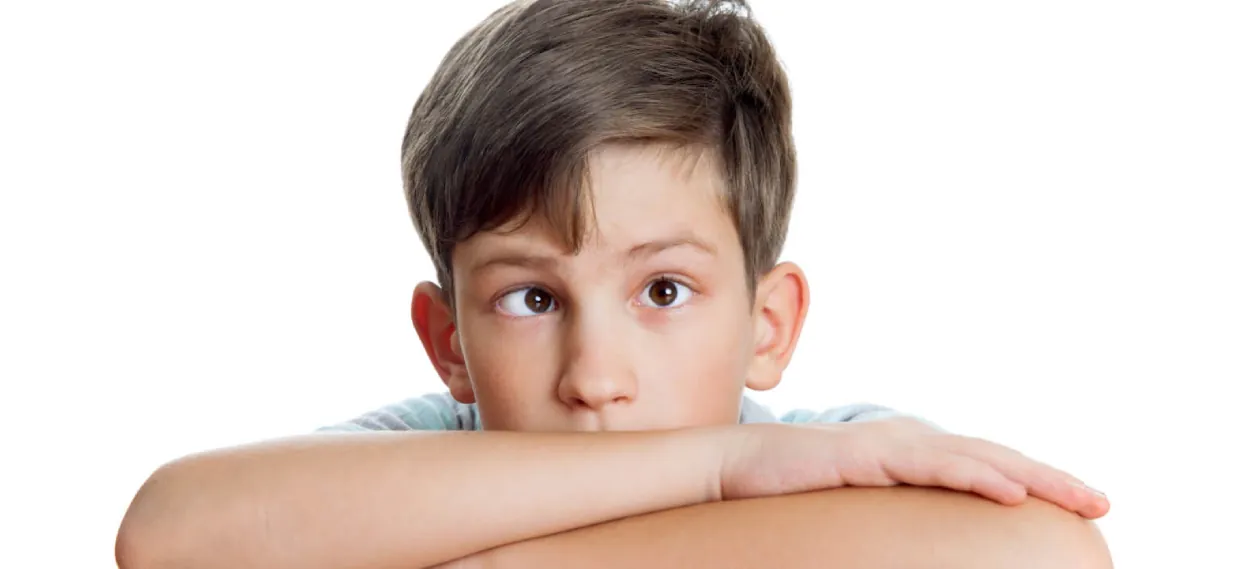
Strabismus (squint) is a condition in which the eyes are not properly aligned: while one eye looks straight ahead, the other turns in a different direction. In everyday language it is often called a crossed or wandering eye. The turned eye may point inward, outward, upward or downward.
For healthy vision, both eyes need to focus on the same point. In strabismus, the balance between the eye muscles is disturbed and this alignment is lost. This can affect both quality of vision and appearance.
Strabismus treatment depends on the cause, the type of strabismus and the patient’s age. Recognizing it early and treating it with the appropriate methods is very important, both for visual development and for long-lasting results.
What Causes Strabismus?
Strabismus does not have a single cause. Various factors that affect the eye muscles, the nerves or the visual centers of the brain can lead to it. It may begin in early childhood or, in some cases, develop in adulthood.
- Congenital Causes
In some people, strabismus is present from birth. Genetic predisposition or certain developmental factors before birth may play a role. - Strabismus Related to Refractive Errors
Refractive errors such as high farsightedness (hyperopia, in which close objects are harder to see clearly than distant ones) can make it difficult for the eyes to stay aligned, especially in children. Wearing glasses early plays an important role in this type of strabismus. - Problems with the Eye Muscles or Nerves
Damage to the nerves that control the eye muscles, or abnormalities of the muscles themselves, can make eye movements unbalanced. This may result from injuries, certain neurological diseases or infections. - Injuries and Systemic Diseases
Head injuries, brain tumors, stroke or systemic conditions such as thyroid disease can also contribute to strabismus. These are usually associated with strabismus that appears in adulthood.
What Are the Symptoms of Strabismus?
In some patients strabismus is clearly visible, while in others it shows up only through symptoms. Recognizing it early, especially in childhood, is very important for successful treatment.
- Eyes That Are Not Aligned
- Double Vision (Diplopia)
- Tilting or Turning the Head to See
- Poor Depth Perception
- Eye Strain or Frequent Blinking
How Is Strabismus Diagnosed?
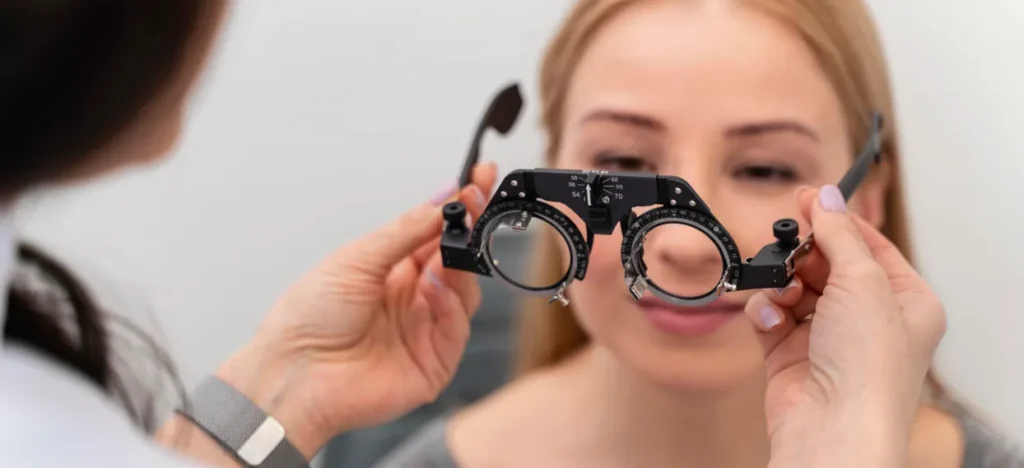
Strabismus is diagnosed with a detailed eye examination and special tests. In children in particular, early diagnosis is extremely important, both to prevent lazy eye (amblyopia) from developing and to avoid lasting vision loss.
During the examination, the vision of each eye is measured separately. Refractive errors (nearsightedness, farsightedness, astigmatism) are identified, and the need for glasses is determined.
Tests in which each eye is covered in turn, or in which special lights are used, show the type and direction of the strabismus. These tests are also used to measure how large the deviation is.
The doctor checks whether the eyes move together and how well the eye muscles work in coordination. This helps reveal any muscle imbalance underlying the strabismus.
In children, strabismus can be detected with special examination techniques built into play. The risk of lazy eye (amblyopia) is also assessed at this stage.
After diagnosis, the treatment plan is made based on the findings. In some cases glasses alone may be enough, while other patients may need surgery or other supportive treatments.
How Is Strabismus Treated?
Strabismus treatment is planned individually according to the size and cause of the misalignment, the patient’s age and level of vision. The aim is not only to align the eyes but also to make clear, balanced vision with both eyes together possible.
Glasses
In some types of strabismus, especially those caused by refractive errors, wearing glasses with the right prescription can be enough on its own to align the eyes. This is a common solution, particularly in childhood.
Patching (Amblyopia Treatment)
If lazy eye (amblyopia) has developed as a result of strabismus, the stronger eye is covered with a patch to encourage active use of the weaker eye. This method is mostly used in children.
Eye Exercises (Orthoptic Therapy)
In some cases of strabismus, particularly mild deviations or those that become more noticeable during close work, special exercises can help the eye muscles work together.
Surgery
Surgery is considered for strabismus that does not improve with glasses or exercises. During the operation, the position of the eye muscles is adjusted to bring the eyes into alignment. Recovery after surgery is usually quick.
When Might Surgery Be Needed for Strabismus?
Recovery after strabismus treatment is usually quick, and most patients can return to their daily lives within a short time. The decision to operate is made after a detailed evaluation of each patient.
Surgery is generally recommended in the following situations:
- Constant strabismus that does not improve with glasses
- Misalignment that is noticeable enough to be a cosmetic concern
- Situations in which clear vision with both eyes together is not possible
- Strabismus that develops in adulthood and causes double vision
- Strabismus that starts in childhood and continues to progress
Surgery aims to correct the size of the deviation by strengthening or weakening the eye muscles. In some cases a second operation may be needed; this depends on the nature of the strabismus and how the eye muscles respond.
Recovery after surgery is usually quick and comfortable. However, as with any surgery, attending follow-up visits and following your doctor’s advice are very important to improve the chances of success.
Recovery After Strabismus Treatment
After strabismus treatment, recovery can vary depending on the method used and the patient’s age. With non-surgical methods such as glasses or eye exercises, follow-up takes longer; the alignment of the eyes is monitored with regular check-ups.
After surgery, recovery is usually quick and comfortable. Patients can often go home the same day. In the first few days there may be mild stinging, redness or watering; these complaints are temporary and are controlled with prescription eye drops.
What to watch for after surgery:
- Keep the eye area clean.
- Use the drops your doctor prescribes regularly.
- Avoid strenuous exercise and activities such as swimming for the first few days.
- Do not skip follow-up visits.
In children, patching or glasses may be continued for some time after surgery to support and monitor visual development. In adults, surgery alone is often sufficient.
As in every case, careful management after treatment and regular check-ups are critical for a lasting, effective result.
Why Is Early Diagnosis Important in Strabismus?
In strabismus treatment, early diagnosis is very important, both to protect visual development and to improve the chances of successful treatment. When a misalignment noticed in childhood is treated in time, lasting vision problems can be prevented.
- A lower risk of lazy eye (amblyopia)
- Helping the eyes work together in balance
- Preventing symptoms such as double vision
- Addressing cosmetic concerns during childhood
- A greater chance that non-surgical treatment will be enough
Some types of strabismus are present from birth, while others develop later. That is why, especially in children, it should be checked regularly whether both eyes move together. If you notice an eye turning, your child closing one eye or tilting their head, see an ophthalmologist without delay.
Remember that strabismus missed in childhood can lead to more complex treatment later in life.
Strabismus treatment helps correct misalignment caused by the eye muscles. This can help the eyes work together better and have a positive effect on the patient’s quality of life.
If you would like to learn more about this treatment and take the first step with an evaluation by an ophthalmologist, you can reach the practice by phone, WhatsApp or the appointment form.
The information on this page is for general information only and does not replace diagnosis or treatment. In any surgical or interventional procedure, results vary from person to person. Please get a detailed opinion from your doctor before any procedure.
Frequently asked questions
Strabismus: frequently asked questions
If you have another question, you can message us on WhatsApp.
I have noticed a squint in my child. When should they be examined?
As soon as you notice it. Brief, temporary misalignment can be seen in newborns during the first months, but any misalignment that continues after 4–6 months of age needs an eye examination. Early treatment helps prevent lazy eye.
Can strabismus surgery be done at any age?
Yes, strabismus surgery can be performed in both children and adults. In adults, the aim is to relieve double vision and correct the alignment of the eyes.
Can glasses correct strabismus?
Glasses can correct the misalignment, especially in strabismus caused by farsightedness (accommodative strabismus). Other types may require patching or surgery.

Your doctor
Op. Dr. Murat Ün
He graduated from Trakya University Faculty of Medicine and completed his ophthalmology residency at Fatih Sultan Mehmet Training and Research Hospital. From 2004 to 2016 he worked at Dünyagöz Hospital in Ataköy, then at Medical Park and Batıgöz. Since 2021 he has been seeing patients at his own practice on Bağdat Caddesi.
- Education
Trakya University Faculty of Medicine
- Residency
Fatih Sultan Mehmet Training and Research Hospital, Ophthalmology
- 2001–2004
Yaşar Okuyan SSK Hospital
- 2004–2016
Dünyagöz Hospital, Ataköy
- 2016–2018
Medical Park Hospital
- 2018–2021
Batıgöz Health Group, Altunizade
- 2021 →
Own practice · Bağdat Caddesi, Kadıköy
Contracted insurers
Examination with your private health insurance
Before your appointment we confirm together what your policy covers for Strabismus. Coverage and any co-payment depend on your insurer’s approval.
- 01
 Allianz SigortaContracted
 - 02
 Anadolu SigortaContracted
 - 03
 SencardContracted
 - 04
 Türkiye SigortaContracted
 - 05
 MAPFRE SigortaContracted
 - 06
 Medisa SigortaContracted
 - 07
 AXA SigortaContracted
 - Insurer not on the list?Share your policy details and we will look at reimbursement options together.Ask on WhatsApp

