03/Cataract Surgery
Phaco Cataract Surgery (Phacoemulsification)
The standard technique in cataract surgery: the cloudy lens is removed with ultrasound through a small incision and replaced with an intraocular lens.
- Examination, surgery and follow-up with the same doctor
- Contracts with 7 private health insurers
- Bağdat Caddesi, Kadıköy

Short answer
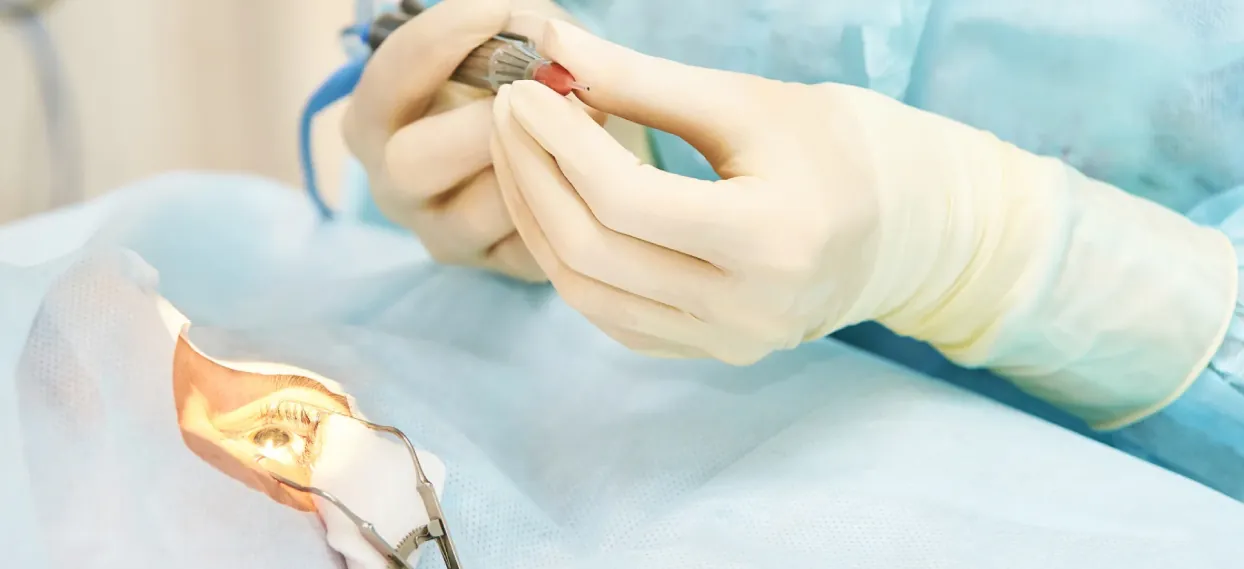
Phaco (phacoemulsification) is the cataract surgery technique in which the clouded natural lens is broken up with ultrasound energy and removed through a 2–3 mm incision. It is usually performed with anesthetic eye drops and generally does not require stitches. The lens capsule is preserved, and the new intraocular lens is placed inside this capsule.
What Is Phaco Cataract Surgery?
Phaco is the standard technique in modern cataract surgery, widely used and well established. Its medical name is phacoemulsification.
Its basic principle is to break up the eye’s clouded natural lens using ultrasonic energy and then place an artificial lens inside the eye.
What Does Phacoemulsification Mean?
The term “phacoemulsification” combines “phaco”, from the Greek word for lens, with “emulsification”, and refers to breaking up and liquefying the lens. During the procedure, a special device breaks the lens into small pieces and removes them from the eye at the same time. This means there is no need for a large incision in the eye, which helps speed up recovery.
How Is It Different from Traditional Techniques?
In conventional cataract surgery, the lens is removed through a larger incision, whereas phaco can be performed through much smaller incisions that do not need stitches. As a result:
- Recovery time is shorter,
- The risk of infection is lower,
- Patients can return to daily life sooner.
What Is the Aim of Phaco Surgery?
The technique aims to remove the lens that has become cloudy due to cataract safely and effectively, and to replace it with an artificial intraocular lens that provides clear vision.
The goal is not only to correct vision but also to support a comfortable, quick and safe recovery for the patient.
How Is Phaco Cataract Surgery Performed?
Phaco cataract surgery is usually performed as an outpatient (day-case) procedure and is generally comfortable for the patient. A detailed examination before surgery assesses the structure of your eye and determines the right type of intraocular lens.
Before the procedure, local anesthesia is applied to the eye in the form of drops. As a result, pain is usually not felt during the procedure. General anesthesia is not needed.
During surgery, a special device uses ultrasonic vibrations to break the clouded natural lens into small pieces and remove them. This technique is called “phacoemulsification”.
An artificial intraocular lens (IOL) chosen to suit the patient’s visual needs is then placed inside the cleared lens space. This lens is designed to stay in the eye for life and takes over the role of the natural lens.
The operation usually takes 10–20 minutes. Patients can usually go home the same day. The eye is covered with a protective patch, and treatment continues with the drops your doctor prescribes.
Choosing the Artificial Lens for Phaco Cataract Surgery
In phaco cataract surgery, the natural lens that has lost its clarity is removed and replaced with an artificial intraocular lens (IOL). This artificial lens is designed to remain in the eye for life and aims to restore visual function.

Why Does the Choice of Artificial Lens Matter?
Every patient’s eye structure and visual expectations are different. The choice of lens therefore does more than correct vision; it is also tailored to the patient’s lifestyle and needs. Some patients only want clear distance vision, while others may want sharp distance and near vision without glasses.
Commonly Used Lens Types:
- Monofocal Lens
The standard lens type, used in most cataract operations and usually focused for distance. Distance vision becomes clear, but reading glasses are generally needed for near vision. - Multifocal Lens
Designed to provide clear vision at both near and distance. It has the potential to reduce the need for glasses, but it may not be suitable for every patient. - Toric Lens
Used for patients with astigmatism. It treats the cataract and also helps correct astigmatism. - Trifocal Lens
Some newer-generation lenses aim to provide more balanced vision at distance, intermediate and near. They are often chosen by active people who want to be independent of glasses.
What Are the Advantages of Phaco Cataract Surgery?
Phaco cataract surgery is a widely preferred surgical technique today. Its key advantages include a short operating time, a comfortable recovery and a quick improvement in the quality of vision.
- The phacoemulsification technique is performed without the need for large incisions in the eye. It therefore does not require stitches, and the tissue heals faster after the procedure.
- Most people can return to their routine within a few days of surgery, and vision usually starts to clear early on. Thanks to advanced technology and a controlled surgical technique, the risk of infection is low, and the likelihood of damage to the tissues inside the eye is very small.
- With an intraocular lens chosen specifically for each patient’s eye structure and needs, a lasting improvement in distance or near vision may be possible.
Recovery After Phaco Cataract Surgery
Recovery after phaco cataract surgery is fairly quick. However, there are some key points to keep in mind for healing to go well.
In the first days after surgery, you may have slightly blurred vision or notice light reflections. This is usually temporary, and vision gradually clears over a few days.
The antibiotic and anti-inflammatory eye drops your doctor prescribes after surgery are essential for reducing the risk of infection and supporting healing. It is important to use the drops without missing any doses for as long as instructed.
In the first weeks, rubbing the eye, pressing on it or getting a knock to the eye area can increase the risk of complications. Take care and avoid touching the eye.
When washing your face, showering or spending time outdoors, take care to keep water out of the eye. Protective glasses or an eye shield can be used when needed.
Your scheduled follow-up visits are important for monitoring healing and checking the position of the intraocular lens. If you notice any sudden loss of vision, pain or sensitivity to light, contact your doctor.
Is Phaco Surgery Suitable for Everyone?
Although phaco cataract surgery is a safe and effective option for many patients, not everyone may be a suitable candidate. Suitability depends on your overall eye health, the stage of the cataract and any other eye conditions you may have.
Advanced Cataracts May Need Further Assessment
If the cataract is very advanced and the lens has become hard, phacoemulsification can become technically more difficult. In that case, other surgical techniques may be preferred.
Other Eye Conditions May Change the Plan
If you have conditions such as retinal disease, corneal disorders or glaucoma, this technique alone may not be enough. Surgical planning takes these factors into account.
The Eye’s Anatomy Must Be Suitable for Phaco
Anatomical features such as corneal thickness and the amount of space inside the eye can affect whether the technique can be used. For this reason, every patient should be assessed individually, and the decision should be made by a specialist.
Phaco is a commonly used surgical approach in cataract treatment. When the eye’s lens has lost its clarity, this technique can make clearer vision possible.
For detailed information about phaco surgery and a specialist assessment, you can reach the practice by phone, WhatsApp or the appointment form.
The information on this page is for general information only and does not replace diagnosis or treatment. In any surgical or interventional procedure, results vary from person to person. Please get a detailed opinion from your doctor before any procedure.
Cataract Surgery options
Related treatment pages

Cataract Surgery
The clouded natural lens is removed using the phaco technique and replaced with an intraocular lens suited to your needs; the lens is chosen together with you.
View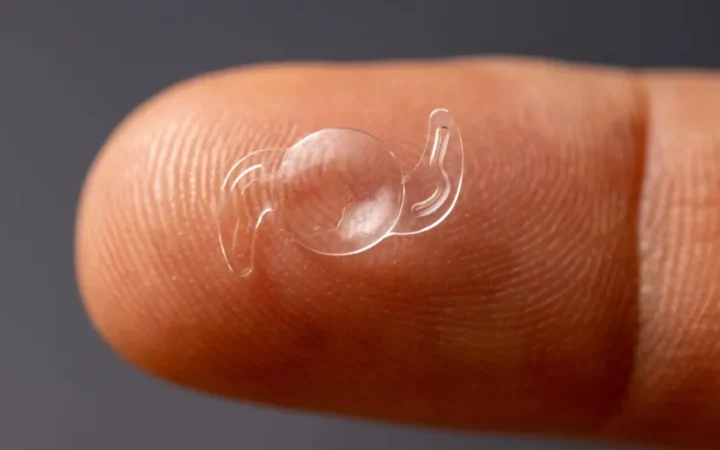
Monofocal Lens
Monofocal intraocular lenses used in cataract surgery provide clear focus at a single distance, most often for far vision.
View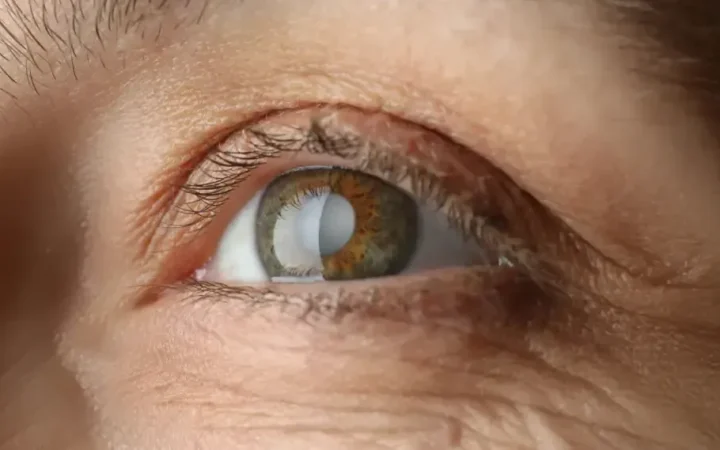
Femtosecond Laser
The femtosecond laser is used in cataract and refractive surgery to plan incisions and procedures within the cornea with high precision.
ViewFrequently asked questions
Phaco Method: frequently asked questions
If you have another question, you can message us on WhatsApp.
How Long Does Phaco Surgery Take?
Phaco cataract surgery usually takes 10–20 minutes.
How Long Is Recovery After Phaco Surgery?
Recovery after phaco surgery is fairly quick, and patients can usually return to their daily activities within 1–2 days.

Your doctor
Op. Dr. Murat Ün
He graduated from Trakya University Faculty of Medicine and completed his ophthalmology residency at Fatih Sultan Mehmet Training and Research Hospital. From 2004 to 2016 he worked at Dünyagöz Hospital in Ataköy, then at Medical Park and Batıgöz. Since 2021 he has been seeing patients at his own practice on Bağdat Caddesi.
- Education
Trakya University Faculty of Medicine
- Residency
Fatih Sultan Mehmet Training and Research Hospital, Ophthalmology
- 2001–2004
Yaşar Okuyan SSK Hospital
- 2004–2016
Dünyagöz Hospital, Ataköy
- 2016–2018
Medical Park Hospital
- 2018–2021
Batıgöz Health Group, Altunizade
- 2021 →
Own practice · Bağdat Caddesi, Kadıköy
Contracted insurers
Examination with your private health insurance
Before your appointment we confirm together what your policy covers for Phaco Method. Coverage and any co-payment depend on your insurer’s approval.
- 01
 Allianz SigortaContracted
 - 02
 Anadolu SigortaContracted
 - 03
 SencardContracted
 - 04
 Türkiye SigortaContracted
 - 05
 MAPFRE SigortaContracted
 - 06
 Medisa SigortaContracted
 - 07
 AXA SigortaContracted
 - Insurer not on the list?Share your policy details and we will look at reimbursement options together.Ask on WhatsApp

