02/Laser (SMILE and other methods)
Laser Eye Surgery for Myopia, Hyperopia and Astigmatism
Correcting nearsightedness (myopia), farsightedness (hyperopia) and astigmatism with SMILE, TransPRK and excimer laser; the method is chosen based on corneal thickness and corneal mapping.
- Examination, surgery and follow-up with the same doctor
- Contracts with 7 private health insurers
- Bağdat Caddesi, Kadıköy


Short answer
Laser eye surgery corrects nearsightedness (myopia), farsightedness (hyperopia) and astigmatism by changing the shape of the cornea. Which method suits you – SMILE, TransPRK (No-Touch) or an excimer-based treatment – depends on your corneal thickness, corneal topography, the strength of your prescription and your age. It is generally performed in people over 18 whose prescription has been stable for at least a year.
Types of Laser Eye Surgery
To learn more about the individual methods used in laser eye surgery, you can visit the related pages. You can also read on for detailed information on the treatment steps and recovery.
- ReLEx SMILE Laser
- iLASIK Laser
- Presbyopia Laser (Presbyond)
- Excimer Laser (PRK and LASIK)
- TransPRK (No-Touch Laser)
- ICL Phakic Lens
What Is Laser Eye Surgery and How Does It Work?
Laser eye surgery corrects vision problems by reshaping the cornea with laser light. The cornea is a key structure that helps focus incoming light onto the retina, so reshaping it precisely can reduce the effect of refractive errors such as nearsightedness (myopia), farsightedness (hyperopia) and astigmatism.
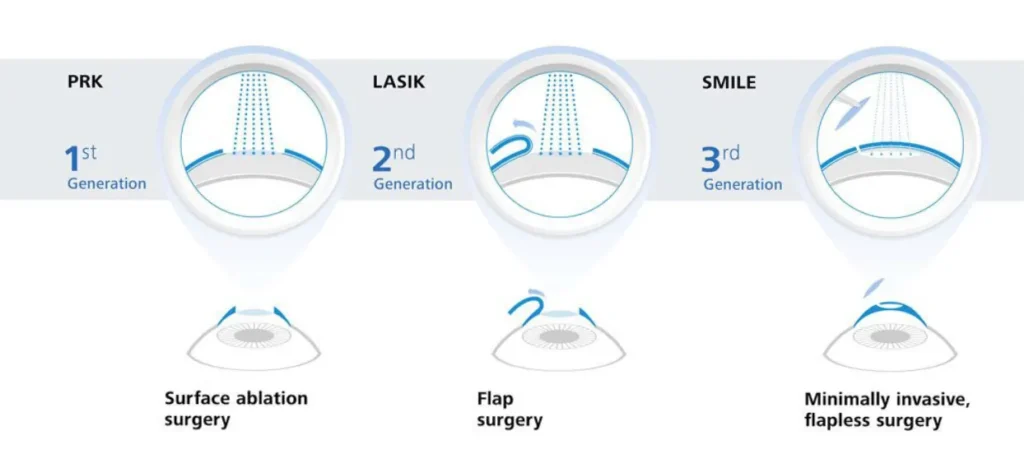
The most widely used laser eye surgery methods include LASIK, PRK and SMILE. Each method is planned according to the structure of the patient’s eye and performed with dedicated devices. These techniques help light focus correctly inside the eye, supporting clearer, better-quality vision.
Benefits of Laser Eye Surgery
Laser eye surgery is one of the modern methods widely chosen to manage refractive errors. In suitable patients, these advanced treatments can give results that support quality of life. Here are some of its main benefits:
- Better Focusing:
By making structural changes to the cornea, laser eye surgery helps light focus more accurately on the retina. In suitable candidates, this can mean better vision. - Less Dependence on Glasses and Contact Lenses:
The treatment is considered an alternative to wearing glasses or contact lenses. It is especially practical for people with an active lifestyle. - Long-Term Visual Comfort:
The corrections made to the cornea can generally provide visual comfort over the long term. However, results can vary depending on the individual’s eye structure and healing. - Short Recovery:
Because laser eye surgery uses minimally invasive techniques, recovery is often quick. Patients can usually return to their daily routine after a short rest.
Laser Eye Surgery Methods and Options
Laser eye surgery can be performed with different techniques depending on the structure of your eye, your lifestyle and your visual needs. These methods, developed with modern technology, are recommended after a detailed assessment by your doctor. Here are some commonly used laser eye surgery methods:
- SMILE Laser (ReLEx SMILE):
This method reshapes the cornea using minimal-incision technology. Because the cornea is disturbed less, recovery can be comfortable for some patients. - iLASIK Laser (IntraLase LASIK):
One of the most common procedures. A thin flap is created in the cornea with a femtosecond laser and lifted, the laser treatment is applied, and the flap is then put back in place. Planned individually, this method is considered for a range of refractive errors. - Presbyopia Laser Treatment:
Used for age-related difficulty with near vision. This method was developed to help meet the need for clear vision at reading distance. - Excimer Laser Technology:
The excimer laser is an advanced technology at the core of many laser eye surgery methods. By reshaping the cornea precisely and in a controlled way, it helps light reach the retina in better focus.
Who Is Laser Eye Surgery Suitable For?
Laser eye surgery is a modern treatment considered for people with certain refractive errors. Before it can be performed, your general health and the structure of your eyes are examined in detail by an ophthalmologist.
People generally considered suitable for laser eye surgery:
- People aged 18 and over
- People with refractive errors such as nearsightedness (myopia), farsightedness (hyperopia) or astigmatism
- People whose glasses prescription has stayed stable over the past year
- People whose eye structure, corneal thickness and overall eye health are found suitable for treatment
Situations in which treatment may not be suitable include:
- Pregnancy or breastfeeding
- An active eye infection
- Severe dry eye
- A cornea that is not suitable for treatment
Suitability is assessed after a detailed eye examination. That is why it is important to have a thorough assessment by an ophthalmologist before laser eye surgery is planned.
How Is Laser Eye Surgery Performed?
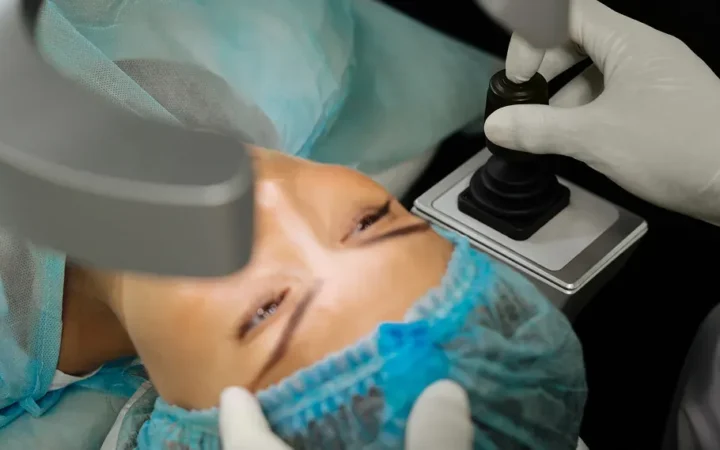
Laser eye surgery is a quick procedure performed with modern technology. It is usually done under local anesthesia and planned with your comfort in mind. The procedure takes about 10–15 minutes on average.
The treatment generally follows these steps:
- Local Anesthesia:
Before the procedure, the eye is numbed with anesthetic eye drops to keep you comfortable during treatment, and the area around the eye is cleaned and kept sterile. - Preparing the Cornea:
Depending on the method used, a fine incision is made in the cornea, or its top layer is gently lifted or removed. - Laser Reshaping:
Laser pulses set specifically for your eye reshape the cornea. This helps light focus correctly on the retina. - Repositioning the Flap (Depending on the Method):
In some methods, such as LASIK, the corneal flap lifted earlier is carefully put back in place after the laser step. If needed, a bandage contact lens may be placed to protect the eye.
The treatment process and approach are planned individually for every patient. The most suitable laser method is chosen after a detailed eye examination.
Key Benefits of Laser Eye Surgery
Laser eye surgery is a method that helps correct refractive errors. Chosen to reduce the need for glasses or contact lenses, it offers benefits that support quality of life for many patients.
Some benefits of laser eye surgery:
- Improved Vision Quality:
By reshaping the cornea, the laser helps light focus more accurately on the retina. - A Quick Procedure:
In people with suitable eyes, laser treatment can usually be completed in a short time. Advanced devices are used during treatment. - Comfort in Daily Life:
Needing glasses or contact lenses less often can make daily life more practical, especially for people with an active lifestyle.
Laser eye surgery should be planned by an ophthalmologist after assessing whether it suits your lifestyle and the structure of your eyes.
Recovery After Laser Eye Surgery
Recovery after laser eye surgery is usually short. Paying attention to a few basic points afterwards helps the process go comfortably.
What to keep in mind during recovery:
- Mild Blurriness and Light Sensitivity:
In the first days after the procedure, you may have mild blurriness or sensitivity to light. These effects are usually temporary and ease over time. - Using Your Eye Drops Regularly:
Using the antibiotic and lubricating eye drops your doctor recommends on a regular schedule helps protect the eye surface and supports healing. - Avoid Rubbing Your Eyes:
To protect your eyes during recovery, it is important not to rub them. - Protection and Rest:
In the first days, it helps to rest, avoid direct sunlight and wear sunglasses when needed.
After laser eye surgery, attending your follow-up visits and following your doctor’s advice helps recovery go well.
What Are the Possible Side Effects of Laser Eye Surgery?
For most people, recovery after laser eye surgery is comfortable and quick. As with any medical procedure, however, some temporary effects can occur afterwards. These are usually short-lived and are considered a normal part of the healing process.
Common temporary effects:
- Light Sensitivity and Halos:
In the first days after treatment, you may be sensitive to bright light or see rings (halos) around lights. This usually fades on its own within a few weeks. - Dry Eye:
A temporary feeling of dryness may occur after laser eye surgery. This can be managed with the lubricating drops your doctor recommends. - Blurred Vision and Mild Discomfort:
In the first few days, you may notice slight blurriness or discomfort. These effects are mostly temporary and improve as healing progresses.
For detailed information about these effects and an assessment specific to your eyes, it is always advisable to get an ophthalmologist’s opinion.
Laser Eye Surgery for Everyday Visual Comfort
Laser eye surgery is a modern, well-established method that aims to improve the quality of your vision. It can reduce the need for glasses or contact lenses, making daily life more comfortable. In people with suitable eyes, laser treatment can offer a long-term solution.
By improving your visual comfort, laser eye surgery can help support your quality of life.
Thanks to advances in technology, laser eye surgery offers modern, well-established options for reducing the need for glasses or contact lenses.
To learn more about laser eye surgery and arrange a pre-assessment appointment, you can reach the practice by phone, WhatsApp or the appointment form.
The information on this page is for general information only and does not replace diagnosis or treatment. In any surgical or interventional procedure, results vary from person to person. Please get a detailed opinion from your doctor before any procedure.
Laser (SMILE and other methods) options
Related treatment pages
SMILE Laser
A laser method performed through a small opening in the cornea, without lifting a flap. It is used to correct nearsightedness (myopia) and astigmatism.
View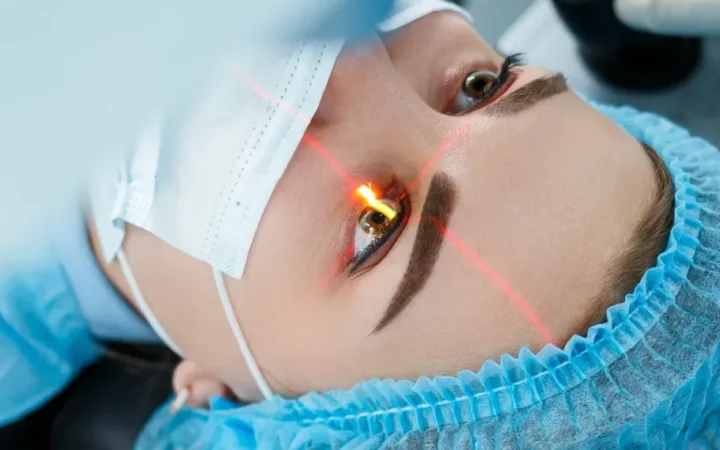
TransPRK (No-Touch)
A surface laser method in which the eye is not touched and even the epithelium (the corneal surface layer) is removed by the laser; it may be an option for people with thinner corneas.
View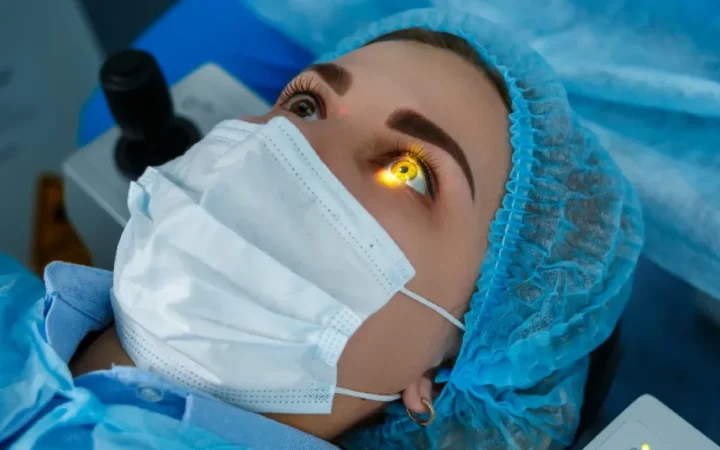
Excimer Laser
The excimer laser reshapes the cornea with micron-level precision and is the basis of methods such as PRK and LASIK.
View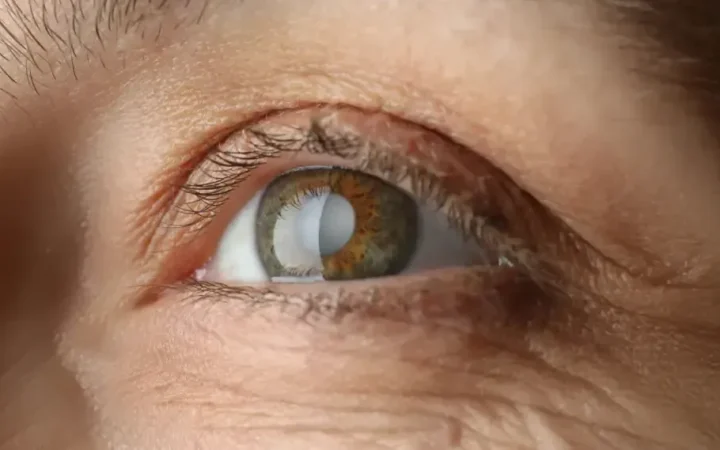
Femtosecond Laser
The femtosecond laser is used in cataract and refractive surgery to plan incisions and procedures within the cornea with high precision.
View
Presbyopia Laser
Laser methods that aim to reduce the need for glasses for near-vision problems after 40 (presbyopia).
ViewFrequently asked questions
Laser Eye Surgery: frequently asked questions
If you have another question, you can message us on WhatsApp.
Is Laser Eye Surgery Permanent?
The reshaping of the cornea is permanent, and in suitable eyes the correction usually stays stable for many years. The eye can still change with age, however: laser treatment does not prevent presbyopia, the need for reading glasses that typically begins in the 40s.
How Long Does Laser Eye Surgery Take?
The treatment takes about 10–15 minutes. Most people can return to daily life within a few days.
Is Laser Eye Surgery Painful?
The eye is numbed with anesthetic drops, so pain is not usually felt during the procedure. Mild discomfort may occur afterwards, but it is temporary.

Your doctor
Op. Dr. Murat Ün
He graduated from Trakya University Faculty of Medicine and completed his ophthalmology residency at Fatih Sultan Mehmet Training and Research Hospital. From 2004 to 2016 he worked at Dünyagöz Hospital in Ataköy, then at Medical Park and Batıgöz. Since 2021 he has been seeing patients at his own practice on Bağdat Caddesi.
- Education
Trakya University Faculty of Medicine
- Residency
Fatih Sultan Mehmet Training and Research Hospital, Ophthalmology
- 2001–2004
Yaşar Okuyan SSK Hospital
- 2004–2016
Dünyagöz Hospital, Ataköy
- 2016–2018
Medical Park Hospital
- 2018–2021
Batıgöz Health Group, Altunizade
- 2021 →
Own practice · Bağdat Caddesi, Kadıköy
Contracted insurers
Examination with your private health insurance
Before your appointment we confirm together what your policy covers for Laser Eye Surgery. Coverage and any co-payment depend on your insurer’s approval.
- 01
 Allianz SigortaContracted
 - 02
 Anadolu SigortaContracted
 - 03
 SencardContracted
 - 04
 Türkiye SigortaContracted
 - 05
 MAPFRE SigortaContracted
 - 06
 Medisa SigortaContracted
 - 07
 AXA SigortaContracted
 - Insurer not on the list?Share your policy details and we will look at reimbursement options together.Ask on WhatsApp

