07/Oculoplastics (Blepharoplasty)
Blepharoplasty (Eyelid Surgery)
Blepharoplasty for drooping and puffy eyelids, in which excess skin and fat are removed or repositioned, including droopy lids that affect the field of vision.
- Examination, surgery and follow-up with the same doctor
- Contracts with 7 private health insurers
- Bağdat Caddesi, Kadıköy

Short answer
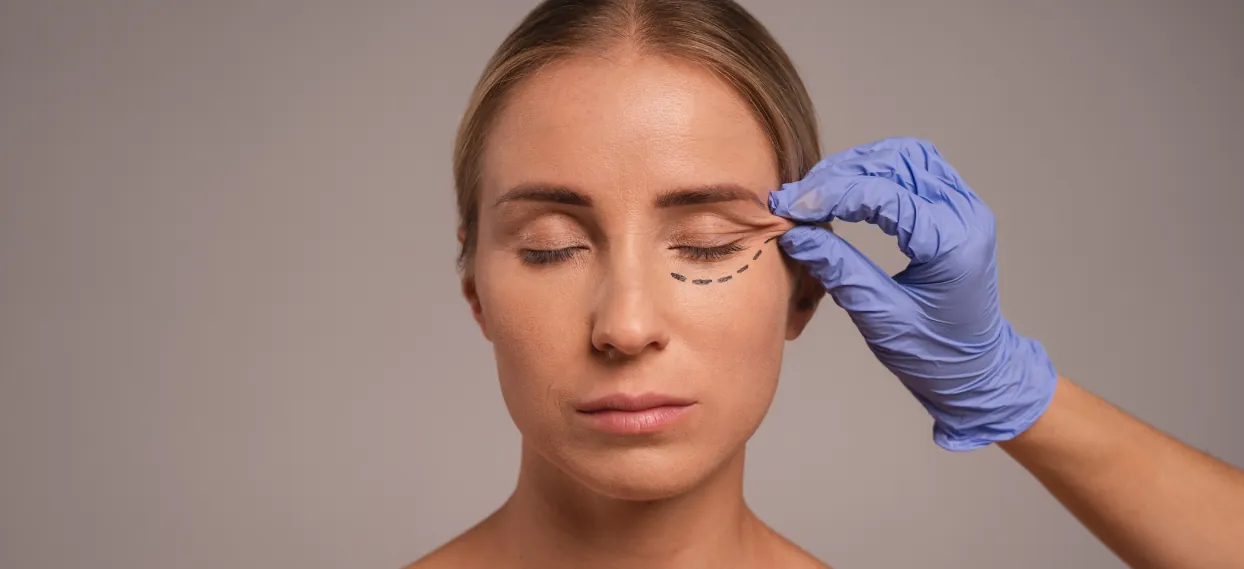
Blepharoplasty is surgery to remove or reshape excess skin, muscle and fat in the upper or lower eyelid. It can be done for functional reasons when a drooping upper lid narrows the field of vision, or for cosmetic reasons to treat bags and a tired look. Dry eye and eyelid function are assessed before surgery.
Our eyes are often the first thing people notice in a face, and one of the strongest ways we express emotion. Over time, however, gravity, genetics and the aging process can cause unwanted changes around the eyes.
Tiredness, vitality, age and mood are often read first from the eye area. Gradually, gravity, aging and genetic factors can lead to drooping, puffiness and loose skin in the eyelids. This is not only a cosmetic change: in some people it narrows the field of vision and makes everyday life harder.
When people hear “You look tired” or “Did you not get enough sleep?”, these eyelid changes are usually the reason. Known in medicine as blepharoplasty, cosmetic eyelid surgery does more than create a refreshed, younger look; it can also address functional problems, such as drooping lids that narrow the field of vision.
What Is Blepharoplasty (Eyelid Surgery)?
Blepharoplasty is the controlled removal or repositioning of excess skin, loose muscle tissue and the fat that causes puffiness in the upper and/or lower eyelids. It is performed by ophthalmologists experienced in oculoplastic surgery.
The eyelid is not just a cosmetic feature. It plays a vital role in protecting the eye, spreading tears evenly across its surface and maintaining healthy vision. That is why eyelid procedures must strike the right balance between appearance and function.
Who Is a Good Candidate for Eyelid Surgery?
Although eyelid surgery is most often chosen by people aged 35 and over, it may be needed at a younger age because of genetic predisposition. The following are the main reasons to be evaluated for blepharoplasty:
- Noticeable drooping and a feeling of heaviness in the upper eyelid
- Eye fatigue that gets worse as the day goes on
- Narrowing of the upper field of vision because of a drooping lid
- Noticeable bags and puffiness under the eyes
- Increasing laxity and wrinkles around the eyes
These complaints can affect both your appearance and your comfort in daily life.
How Is the Procedure Planned?
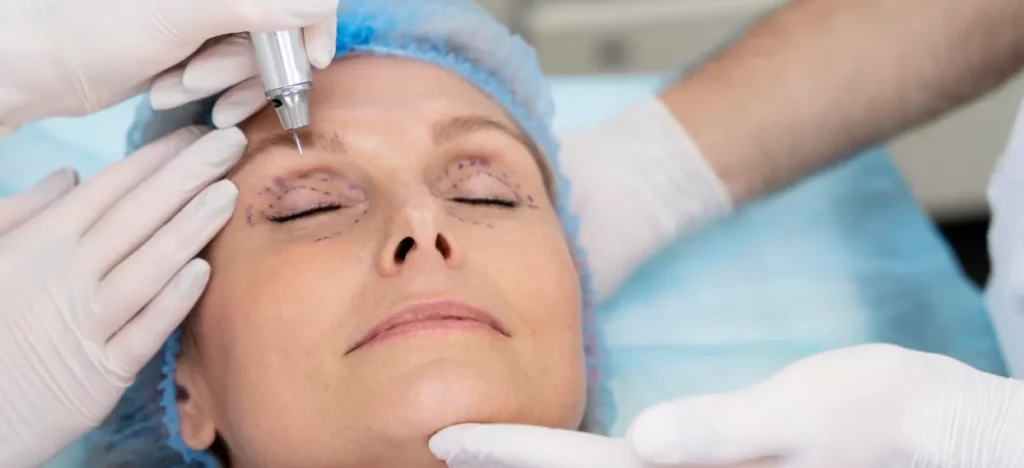
Blepharoplasty is usually planned under local anesthesia, with light sedation if needed. Depending on the areas being treated, the procedure takes on average 1–2 hours. Thanks to the anesthesia, most people feel little or no pain during surgery, although a slight feeling of pressure is possible.
Upper Eyelid
In the upper lid, the incision is made along the eyelid’s natural crease, and excess skin and fat are removed in a controlled way. Because the incision lies within the natural fold, the scar is usually difficult to see once it has healed.
Lower Eyelid
In the lower lid, the procedure can be performed through an incision just below the lash line or from the inner surface of the eyelid (the transconjunctival approach). The fat that causes puffiness can be removed or reshaped so that it is spread more evenly.
Recovery and Returning to Daily Life
No hospital stay is needed after surgery; you can usually go home the same day. Mild swelling and bruising around the eyes are normal in the first few days. Cold compresses help make this period more comfortable.
- Swelling and bruising usually decrease noticeably within the first week
- Stitches are usually removed after 5–7 days
- Most people can comfortably return to their social life within about 1 week
Over time, the eye area takes on a fresher, more rested and natural look.
Why Choose an Ophthalmologist for Eyelid Surgery?
Eyelid procedures are not just a cosmetic touch; they are delicate operations that directly affect eye health. Ophthalmologists are the specialists trained specifically in the anatomy of the eye, the tear system and the blinking mechanism.
Procedures carried out without proper planning can lead to problems such as the eyelid not closing fully, a feeling of dryness and other functional issues. That is why it is so important to approach blepharoplasty in a way that protects both the cosmetic result and the function of the eye.
Eyelid surgery can give you a younger, more rested and healthy-looking appearance. The right approach is an evaluation planned around your own eye structure and needs.
The information on this page is for general information only and does not replace diagnosis or treatment. In any surgical or interventional procedure, results vary from person to person. Please get a detailed opinion from your doctor before any procedure.
Frequently asked questions
Blepharoplasty: frequently asked questions
If you have another question, you can message us on WhatsApp.
Is blepharoplasty covered by insurance?
If a drooping upper eyelid narrows your field of vision, the procedure may be considered medically necessary; a visual field test may be requested to show this. Cosmetic procedures are generally not covered by insurance policies. Coverage is confirmed only once your insurance company gives pre-approval.
Will there be a scar?
In the upper lid, the incision is hidden in the natural crease of the eyelid; in the lower lid, an approach just below the lashes or from the inside of the lid may be used. How visible the scar is depends on your skin type and how you heal.
How long do bruising and swelling last?
Swelling and bruising are usually most noticeable in the first few days and fade within 1–2 weeks. Cold compresses and the recommended aftercare help this process.

Your doctor
Op. Dr. Murat Ün
He graduated from Trakya University Faculty of Medicine and completed his ophthalmology residency at Fatih Sultan Mehmet Training and Research Hospital. From 2004 to 2016 he worked at Dünyagöz Hospital in Ataköy, then at Medical Park and Batıgöz. Since 2021 he has been seeing patients at his own practice on Bağdat Caddesi.
- Education
Trakya University Faculty of Medicine
- Residency
Fatih Sultan Mehmet Training and Research Hospital, Ophthalmology
- 2001–2004
Yaşar Okuyan SSK Hospital
- 2004–2016
Dünyagöz Hospital, Ataköy
- 2016–2018
Medical Park Hospital
- 2018–2021
Batıgöz Health Group, Altunizade
- 2021 →
Own practice · Bağdat Caddesi, Kadıköy
Contracted insurers
Examination with your private health insurance
Before your appointment we confirm together what your policy covers for Blepharoplasty. Coverage and any co-payment depend on your insurer’s approval.
- 01
 Allianz SigortaContracted
 - 02
 Anadolu SigortaContracted
 - 03
 SencardContracted
 - 04
 Türkiye SigortaContracted
 - 05
 MAPFRE SigortaContracted
 - 06
 Medisa SigortaContracted
 - 07
 AXA SigortaContracted
 - Insurer not on the list?Share your policy details and we will look at reimbursement options together.Ask on WhatsApp

