02/Laser (SMILE and other methods)
Femtosecond Laser Surgery for Cataract and Refractive Correction
The femtosecond laser is used in cataract and refractive surgery to plan incisions and procedures within the cornea with high precision.
- Examination, surgery and follow-up with the same doctor
- Contracts with 7 private health insurers
- Bağdat Caddesi, Kadıköy

Short answer
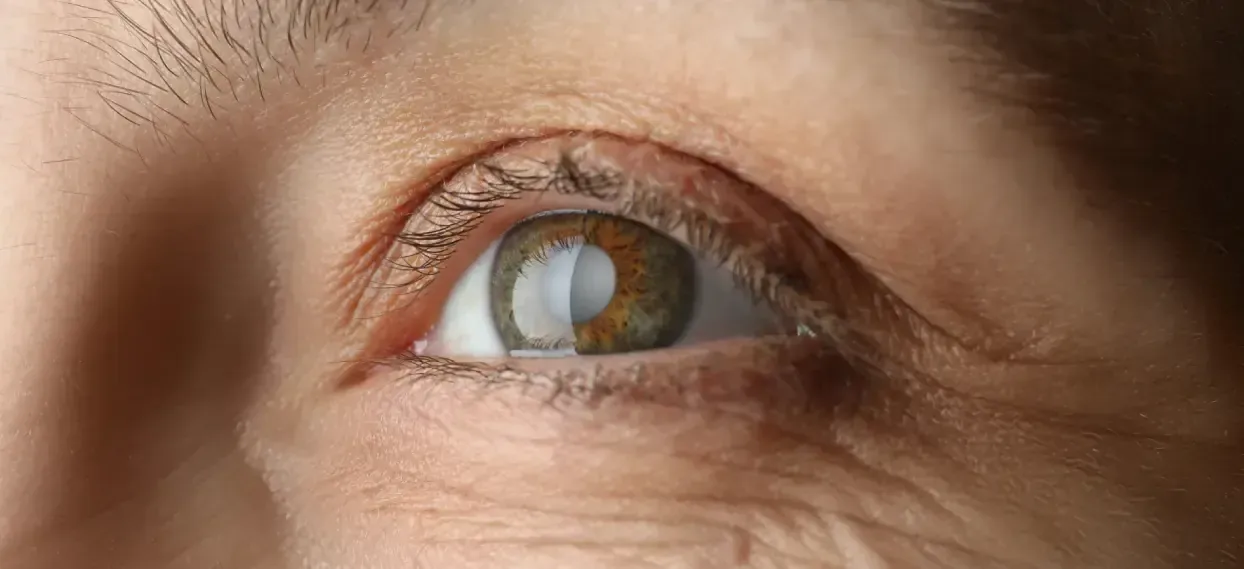
A femtosecond laser is a laser technology that uses ultra-short pulses to make precise cuts inside tissue. It can be used to prepare the corneal layer in SMILE and LASIK, and to plan certain steps of cataract surgery. Whether it is used for a particular eye is decided based on the examination findings.
What Is Femtosecond Laser Treatment?
Femtosecond laser treatment is a modern, advanced laser technology that brings a very high level of precision to eye surgery. The term “femtosecond” describes the laser’s ability to deliver pulses lasting just one quadrillionth of a second (a millionth of a billionth of a second). These extremely short, precise pulses of light allow procedures to be carried out with minimal mechanical stress on the eye’s tissues.
This technology is preferred especially for procedures on the front of the eye that require high accuracy. Taking the place of the microsurgical blades used in traditional techniques, the femtosecond laser offers a blade-free procedure, making the process more stable and controlled.
Key Features of Femtosecond Laser Technology:
- High Precision: The laser pulses are controlled at the micron level, which allows the procedure to be planned for each individual.
- Blade-Free Cutting: The tissue is cut by laser light alone, without a surgical blade.
- Personalized Planning: A detailed map of the patient’s eye is created, and the procedure follows this plan.
- Greater Comfort: Because the method is blade-free, recovery after the procedure may be more comfortable.
The femtosecond laser is not just a technology; it is also an important step toward greater patient comfort and surgical success. In the treatment of some eye conditions, such as cataract, this technology can allow a more precise approach.
Where Is Femtosecond Laser Used in Eye Surgery?
Thanks to its high precision and blade-free cutting, femtosecond laser treatment is used in several areas of eye surgery. This technology allows procedures on the eye to be performed in a more controlled and predictable way.
1. Cataract Surgery
In cataract surgery, the femtosecond laser makes a precise opening in the capsule that surrounds the eye’s natural lens. The clouded lens can then be removed in a controlled way. This approach allows the surgery to be performed with less manipulation of the tissue.
2. Refractive Surgery (Especially LASIK)
In LASIK, which treats refractive errors such as nearsightedness (myopia), farsightedness (hyperopia) and astigmatism, the femtosecond laser is used to create the corneal flap. This blade-free method cuts the flap more evenly and precisely, helping to improve the quality of vision.
3. Corneal Procedures and Ring Segments
Intracorneal rings (ring segments) are implanted in some cases where the shape of the cornea needs to be corrected. The femtosecond laser creates the channel in which these rings are placed with great precision. It is also used in certain other corneal procedures, including some keratoplasty (corneal transplant) techniques.
4. Capsule Opening and Corneal Flap Creation
When surgery involves working on very fine structures, the micron-level precision of the femtosecond laser is an advantage. Steps such as creating a corneal flap and making an opening in the lens capsule, in particular, can be carried out in a more controlled way with this technology.
Femtosecond laser treatment is planned according to your eye structure and treatment needs. An assessment by a specialist ophthalmologist is essential to find out which type of treatment is right for you.
How Is Femtosecond Laser Cataract Surgery Performed?
Compared with conventional cataract surgery, femtosecond laser treatment offers a more precise and personalized approach at certain stages of the operation. The technology allows some of the steps performed by the surgeon to be carried out with laser assistance and very high accuracy.
- 1. Mapping the Eye
Before treatment, the structure of the eye is imaged in detail. This allows corneal thickness, lens position and the structures inside the eye to be assessed precisely. Using this data, the areas where the laser will be applied are planned in advance. - 2. Capsule Opening (Capsulotomy)
The front (anterior) capsule surrounding the cataract-affected lens is cut in a circle with the femtosecond laser. In the conventional technique, the surgeon performs this step by hand; using the laser makes it more regular and controlled. - 3. Breaking Up the Lens
The natural lens is divided into small pieces with the laser. Compared with conventional phacoemulsification, this can reduce the amount of ultrasound energy needed inside the eye, so the structures inside the eye may be less affected. - 4. Implanting the Artificial Lens
After the femtosecond laser steps, the removed natural lens is replaced with an artificial lens (intraocular lens) suited to the eye. In both techniques, this step is performed by the surgeon.
Femtosecond laser treatment is one of the advanced technologies used in cataract surgery. An assessment by an ophthalmologist is essential to determine which technique or approach is right for you.
Who Is Femtosecond Laser Treatment Suitable For?
Femtosecond laser treatment offers effective surgical support, particularly for patients whose eye structure is suited to this technology. However, it may not be the right option for everyone, so the treatment decision is made after a detailed assessment of your eye health.
People who may benefit from treatment include:
- Those with sufficient corneal thickness,
- People whose eye pressure is under control,
- Candidates considering surgery for refractive errors,
- Patients whose cataract surgery requires detailed planning.
Every eye is different. A thorough examination and testing by an ophthalmologist before femtosecond laser treatment is therefore the key step in the treatment plan. Suitability only becomes clear after this assessment.
What Are the Advantages of Femtosecond Laser?
With its advanced technology, femtosecond laser treatment allows precise, controlled procedures in eye surgery. Its advantages offer real benefits to both surgeons and patients.
The main advantages are:
- High precision: The laser delivers pulses lasting a quadrillionth of a second, creating extremely fine, clean cuts in the targeted tissue.
- Personalized planning: The structure of the eye is mapped in detail, and the procedure is planned individually.
- Less mechanical handling of tissue: Because the cuts are made by laser rather than by surgical instruments, recovery may be more comfortable.
- Stitch-free surgery: It usually does not require stitches, which can make the post-operative period easier.
- Quick recovery: Thanks to low tissue trauma and a controlled technique, the time needed to return to daily life may be shorter.
These advantages support the use of femtosecond laser in a range of eye conditions. However, because every eye is different, a one-to-one assessment with an ophthalmologist is important to find the right treatment for you.
What Should You Pay Attention to After Treatment?
A few simple but important points help healing go well after femtosecond laser treatment. To protect your eye health and get a good result, it is important to follow these recommendations:
- Keep the eye clean: In the first days, take care not to get water or soap in your eye. Avoiding eye makeup and dusty environments can reduce the risk of infection.
- Do not miss your follow-up appointments: After treatment, your eye should be checked regularly by your ophthalmologist. Follow-up visits are very important to make sure healing is progressing well.
- Do not skip your medication: The drops and medicines your doctor recommends support the healing of your eye. Following this treatment plan consistently helps the process go smoothly.
Recovery can differ from patient to patient. It is therefore important to follow your doctor’s personal recommendations carefully and to seek professional help if you experience any discomfort.
How Successful Is Femtosecond Laser Treatment?
Femtosecond laser technology is a modern technique in ophthalmology, known for its precision and reliability. It helps procedures on the eye follow the surgeon’s plan with a high degree of precision.
In cataract surgery, more symmetrical and controlled corneal incisions, and in refractive surgery, the possibility of personalized treatment, can have a positive effect on outcomes. This can contribute to greater patient comfort and a quicker recovery.
Because every eye is different, success rates can also vary from person to person. A detailed examination before treatment, and setting expectations accordingly, are therefore very important.
When used in suitable candidates, femtosecond laser treatment is regarded as a precise and controlled method.
The information on this page is for general information only and does not replace diagnosis or treatment. In any surgical or interventional procedure, results vary from person to person. Please get a detailed opinion from your doctor before any procedure.
Laser (SMILE and other methods) options
Related treatment pages
Laser Eye Surgery
Correcting nearsightedness (myopia), farsightedness (hyperopia) and astigmatism with SMILE, TransPRK and excimer laser; the method is chosen based on corneal thickness and corneal mapping.
View
SMILE Laser
A laser method performed through a small opening in the cornea, without lifting a flap. It is used to correct nearsightedness (myopia) and astigmatism.
View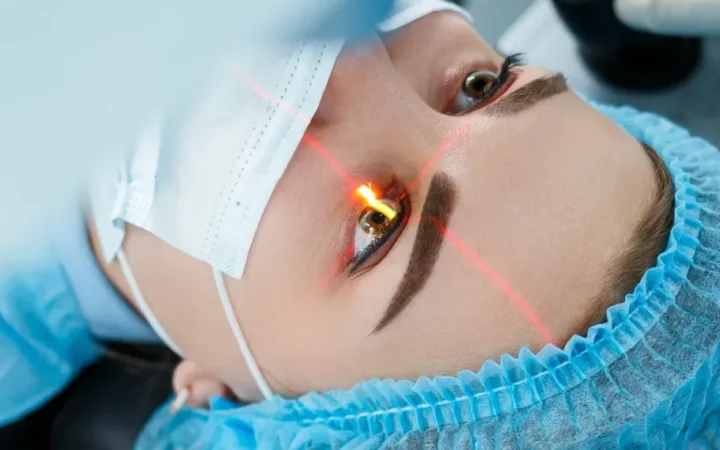
TransPRK (No-Touch)
A surface laser method in which the eye is not touched and even the epithelium (the corneal surface layer) is removed by the laser; it may be an option for people with thinner corneas.
View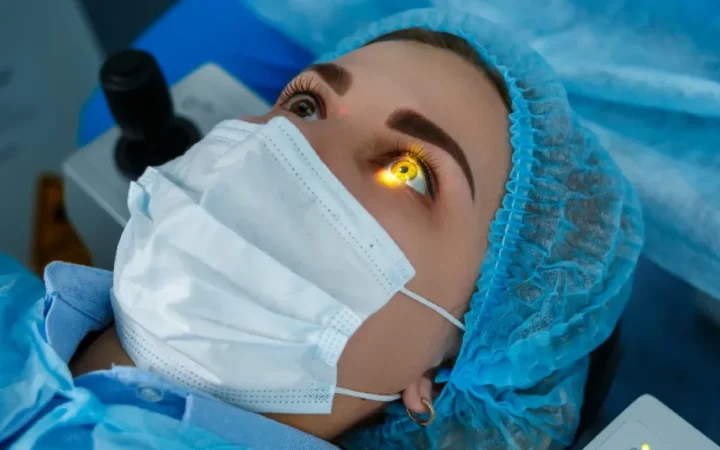
Excimer Laser
The excimer laser reshapes the cornea with micron-level precision and is the basis of methods such as PRK and LASIK.
View
Presbyopia Laser
Laser methods that aim to reduce the need for glasses for near-vision problems after 40 (presbyopia).
ViewFrequently asked questions
Femtosecond Laser: frequently asked questions
If you have another question, you can message us on WhatsApp.
How Long Does Femtosecond Laser Treatment Take?
The femtosecond laser step itself usually takes only a few minutes, so this part of the procedure is completed very quickly.
Which Eye Conditions Is Femtosecond Laser Used For?
The femtosecond laser is widely used in the treatment of various eye conditions, including cataract and refractive errors such as nearsightedness, farsightedness and astigmatism.

Your doctor
Op. Dr. Murat Ün
He graduated from Trakya University Faculty of Medicine and completed his ophthalmology residency at Fatih Sultan Mehmet Training and Research Hospital. From 2004 to 2016 he worked at Dünyagöz Hospital in Ataköy, then at Medical Park and Batıgöz. Since 2021 he has been seeing patients at his own practice on Bağdat Caddesi.
- Education
Trakya University Faculty of Medicine
- Residency
Fatih Sultan Mehmet Training and Research Hospital, Ophthalmology
- 2001–2004
Yaşar Okuyan SSK Hospital
- 2004–2016
Dünyagöz Hospital, Ataköy
- 2016–2018
Medical Park Hospital
- 2018–2021
Batıgöz Health Group, Altunizade
- 2021 →
Own practice · Bağdat Caddesi, Kadıköy
Contracted insurers
Examination with your private health insurance
Before your appointment we confirm together what your policy covers for Femtosecond Laser. Coverage and any co-payment depend on your insurer’s approval.
- 01
 Allianz SigortaContracted
 - 02
 Anadolu SigortaContracted
 - 03
 SencardContracted
 - 04
 Türkiye SigortaContracted
 - 05
 MAPFRE SigortaContracted
 - 06
 Medisa SigortaContracted
 - 07
 AXA SigortaContracted
 - Insurer not on the list?Share your policy details and we will look at reimbursement options together.Ask on WhatsApp

