06/Cornea and Keratoconus
Keratoconus Treatment Options
Treatments for keratoconus, a condition in which the cornea thins and bulges forward into a cone, aimed at halting its progression and improving vision.
- Examination, surgery and follow-up with the same doctor
- Contracts with 7 private health insurers
- Bağdat Caddesi, Kadıköy

Short answer
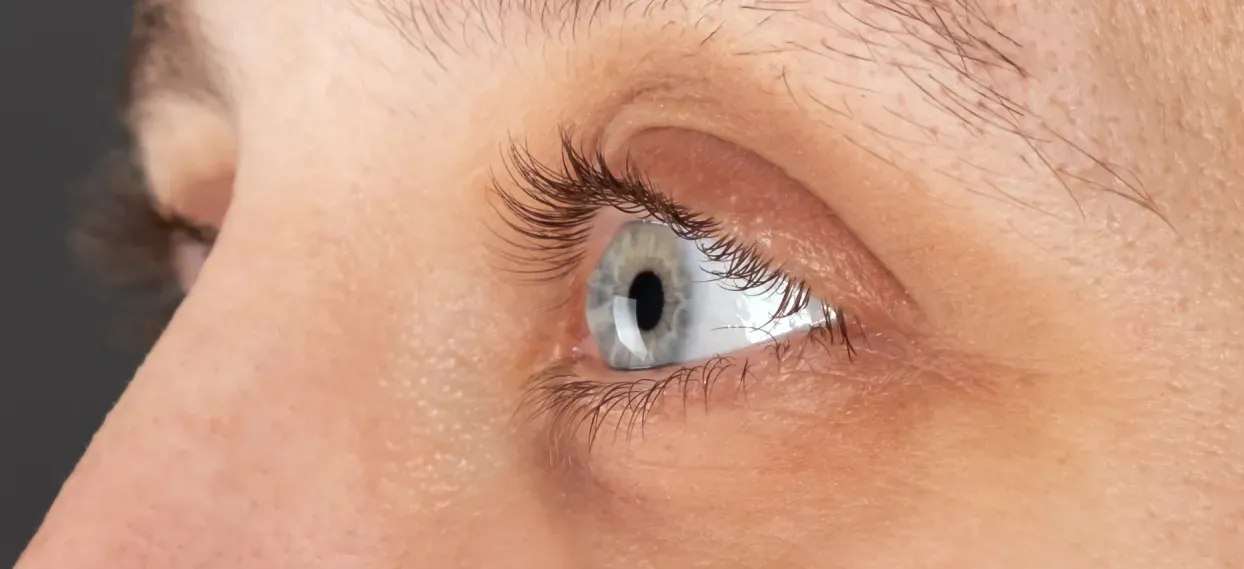
Keratoconus is a condition in which the cornea gradually thins and bulges forward into a cone shape; it usually begins in the teenage or young adult years and is often noticed because astigmatism increases quickly. Cross-linking is used to halt its progression, while intracorneal ring segments and specialty contact lenses are used to improve vision. Regular monitoring with corneal topography is important.
What Is Keratoconus and How Does It Develop?
Keratoconus is an eye condition caused by a structural weakening of the cornea. The cornea, the clear window at the front of the eye, bends (refracts) light so that it reaches the retina. In keratoconus, the cornea gradually becomes thinner and bulges outward into a cone-like shape.
This change makes it harder for light to focus correctly on the retina and can reduce the quality of vision over time. Keratoconus usually begins in the teenage years and may continue to progress gradually, often into the late twenties.
Keratoconus treatment options are tailored to the different stages of the disease and aim both to halt its progression and to make vision clearer.
What Are the Symptoms of Keratoconus?
As the shape of the cornea changes over time, keratoconus can cause a range of vision problems. Noticing it early matters, because it allows the right treatment to be planned. The following symptoms can be early signs of the condition:
- Blurred Vision: As the cornea becomes irregular in shape, sharpness is lost and images can look blurry.
- Sensitivity to Light: Especially at night, light sources such as headlights or street lamps may cause bothersome glare and halos.
- Double or Distorted Vision: Irregularities on the corneal surface can make a single object look doubled or distorted.
- Increasing Astigmatism and Nearsightedness: As keratoconus progresses, refractive errors may increase.
- Frequent Changes in Your Glasses Prescription: A prescription that changes within short periods is one of the common signs of keratoconus.
If you notice symptoms like these, it is a good idea to see an ophthalmologist (eye doctor) for a detailed evaluation and to discuss suitable treatment options.
What Causes Keratoconus?
The exact cause of keratoconus is not known, but a combination of genetic and environmental factors is thought to contribute. Knowing these factors helps your doctor take a holistic approach to your eye health when planning keratoconus treatment.
Common risk factors include:
- Genetic Predisposition: People with a family history of keratoconus are at higher risk of developing it.
- Eye Allergies and Eye Rubbing: Rubbing the eyes often and hard can weaken the structure of the cornea.
- Hormonal Changes: Hormonal fluctuations, particularly during puberty, may trigger the onset of keratoconus.
- Excessive UV Exposure: Spending long periods in the sun without protective eyewear may harm the corneal tissue.
Because these factors can influence how keratoconus develops, regular eye exams and good eye care habits are important.
How Is Keratoconus Diagnosed?
Keratoconus is diagnosed through a comprehensive eye examination by an eye specialist. Early diagnosis is especially valuable, because it can make it possible to slow or halt the progression of the disease. The diagnostic process includes a detailed assessment with advanced imaging techniques.
The main diagnostic tests are:
- Keratometry:
Measures the curvature of the cornea and helps detect abnormal changes in its shape. - Corneal Topography:
Creates a detailed map of the cornea and analyzes irregularities of its surface in three dimensions. This test plays a key role in determining the stage of keratoconus. - Pachymetry:
Measures the thickness of the cornea. In people with keratoconus, this value may be lower than normal, which is an important finding in support of the diagnosis.
These tests make it possible to determine accurately whether keratoconus is present and how advanced it is. Regular check-ups and appropriate treatment planning are important for protecting your eye health.

What Are the Treatment Options for Keratoconus?
Keratoconus treatment is planned according to the stage of the disease and your level of vision. Early diagnosis keeps more treatment options open. With the right approach, it is possible both to preserve the quality of vision and to slow the progression of the disease.
Treatment options for keratoconus include:
- Glasses and Contact Lenses
In the early stages, vision can be supported with standard glasses or soft contact lenses. As the disease progresses, it may be necessary to switch to specially designed rigid gas permeable (RGP) or hybrid lenses. - Corneal Cross-Linking (CXL)
This treatment strengthens the biomechanical structure of the corneal tissue and is used to slow the progression of keratoconus. Its main aim is usually to halt the disease from progressing further. - Intracorneal Ring Segments (ICRS)
Small, crescent-shaped ring segments placed inside the cornea help improve its shape. The goal is better quality of vision, and they may be considered in moderate to advanced stages. - Scleral Lenses
These large-diameter specialty lenses vault over the entire cornea and smooth out its irregularities, helping you see more clearly. They are a useful alternative, particularly for patients who find other contact lenses difficult to wear. - Corneal Transplant (Keratoplasty)
In advanced keratoconus, if the damage to the cornea has become severe, surgery may be needed. A corneal transplant is performed to improve vision and support quality of life in daily activities.
A detailed evaluation by an eye specialist is needed to determine the right treatment option. Your treatment plan is shaped around your individual needs and the structure of your eyes.
Living with Keratoconus: Ways to Support Your Eye Health
When it is diagnosed at the right time and managed appropriately, keratoconus is a condition that can be kept under control. Treatment is planned individually and should go hand in hand with your lifestyle habits.
Alongside keratoconus treatment, here are some points that can help you protect your quality of life:
- Regular Eye Exams:
Seeing your eye doctor at regular intervals is important to monitor the course of the disease and to update the treatment plan if needed. - Avoid Rubbing Your Eyes:
Eye rubbing puts strain on the cornea. This habit can trigger progression of the disease. - Wear UV-Protective Sunglasses:
Wearing sunglasses outdoors to shield your eyes from harmful sunlight supports corneal health. - Follow Your Treatment Plan:
Wearing your lenses correctly, using the drops your doctor recommends without skipping doses and following the other steps of your treatment all help you get good results.
Remember that life with keratoconus is shaped not only by medical treatment but also by everyday habits. Together with the right treatment, a healthy lifestyle helps you protect your eye health in the long term.
Keratoconus is an eye condition that can affect the quality of your vision. With the right treatment, the visual difficulties it causes in daily life can be reduced.
If you would like detailed information about keratoconus treatment options and an evaluation by an ophthalmologist, you can reach the practice by phone, WhatsApp or the appointment form to book an initial examination.
The information on this page is for general information only and does not replace diagnosis or treatment. In any surgical or interventional procedure, results vary from person to person. Please get a detailed opinion from your doctor before any procedure.
Cornea and Keratoconus options
Related treatment pages

Cross-Linking
Cross-linking treatment for keratoconus, which strengthens the bonds between the collagen fibers of the cornea to halt the progression of the disease.
View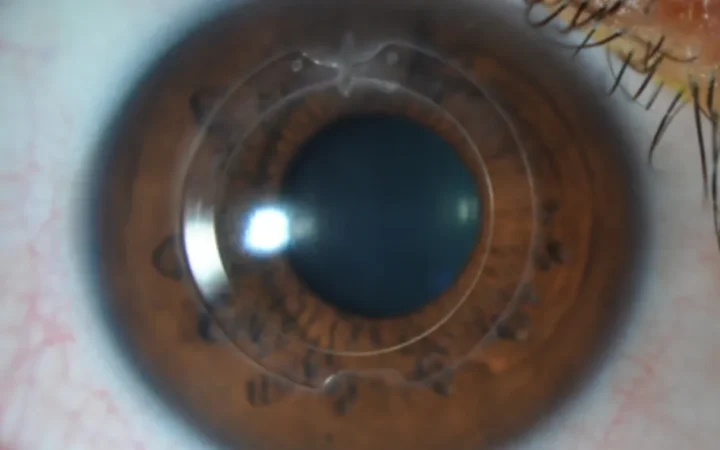
Intracorneal Ring Segments
Thin ring segments (Intacs) placed inside the cornea to improve its shape in keratoconus and irregular astigmatism.
View
Cornea Treatments
Diagnosis and treatment for the clear front layer of the eye, including corneal infections, keratoconus, dry eye and corneal transplant.
ViewFrequently asked questions
Keratoconus: frequently asked questions
If you have another question, you can message us on WhatsApp.
How can I tell if I have keratoconus?
Common signs include a glasses prescription that keeps changing, rapidly increasing astigmatism, blurred or double vision and sensitivity to light. The diagnosis is made with corneal topography (a detailed map of the cornea).
Can keratoconus be cured completely?
In keratoconus, the goal is to halt progression with cross-linking and to improve vision with ring segments, specialty lenses or glasses. Which approach is suitable depends on the stage of the disease.
Does rubbing my eyes affect keratoconus?
Yes. Frequent, hard eye rubbing is known to be associated with the progression of keratoconus. If you have itchy, allergic eyes, it is advisable to have the allergy treated.

Your doctor
Op. Dr. Murat Ün
He graduated from Trakya University Faculty of Medicine and completed his ophthalmology residency at Fatih Sultan Mehmet Training and Research Hospital. From 2004 to 2016 he worked at Dünyagöz Hospital in Ataköy, then at Medical Park and Batıgöz. Since 2021 he has been seeing patients at his own practice on Bağdat Caddesi.
- Education
Trakya University Faculty of Medicine
- Residency
Fatih Sultan Mehmet Training and Research Hospital, Ophthalmology
- 2001–2004
Yaşar Okuyan SSK Hospital
- 2004–2016
Dünyagöz Hospital, Ataköy
- 2016–2018
Medical Park Hospital
- 2018–2021
Batıgöz Health Group, Altunizade
- 2021 →
Own practice · Bağdat Caddesi, Kadıköy
Contracted insurers
Examination with your private health insurance
Before your appointment we confirm together what your policy covers for Keratoconus. Coverage and any co-payment depend on your insurer’s approval.
- 01
 Allianz SigortaContracted
 - 02
 Anadolu SigortaContracted
 - 03
 SencardContracted
 - 04
 Türkiye SigortaContracted
 - 05
 MAPFRE SigortaContracted
 - 06
 Medisa SigortaContracted
 - 07
 AXA SigortaContracted
 - Insurer not on the list?Share your policy details and we will look at reimbursement options together.Ask on WhatsApp

