03/Cataract Surgery
Cataract Surgery: Eye Exam, Techniques and Lens Choice
The clouded natural lens is removed using the phaco technique and replaced with an intraocular lens suited to your needs; the lens is chosen together with you.
- Examination, surgery and follow-up with the same doctor
- Contracts with 7 private health insurers
- Bağdat Caddesi, Kadıköy

Short answer
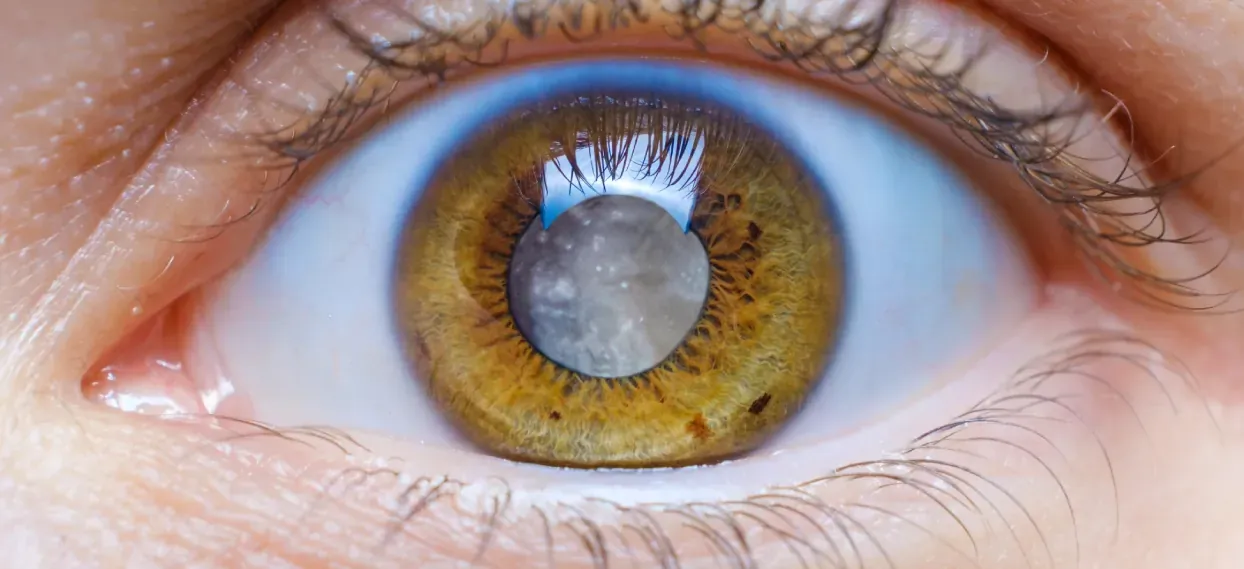
A cataract is a clouding of the eye's natural lens, and it is treated with surgery. In the phaco technique, the cloudy lens is broken up with ultrasound and removed through a small incision, and an intraocular lens is placed in its position. Lens options such as monofocal, toric or trifocal are chosen based on your measurements and the vision you expect after surgery.
What Are the Treatment Options for Cataract?
Cataract is treated with surgery. To learn about the modern techniques used in cataract surgery and the intraocular lens options available, you can visit the related pages listed below. Read on to find out what happens after a cataract diagnosis and what to expect along the way.
- Phaco Technique
- Smart Lens Surgery
- Monofocal Lens Surgery
- Multifocal Lens Surgery
- Trifocal Lens Surgery
- Premium IOL Surgery
What Is a Cataract?
A cataract is a common vision problem that develops when the eye’s natural lens gradually loses its clarity. As the lens becomes cloudy, it gets harder for light to reach the retina clearly. Cataracts usually develop with age, but they can occur at any age. Understanding cataracts helps you take the right next steps.
What Are the Symptoms of Cataract?
A cataract can affect the quality of your vision over time. Symptoms usually progress slowly and may include:
- Blurred or cloudy vision
- Poorer night vision
- Increased sensitivity to light and glare
- Colors that look faded or dull
If you notice these symptoms, it is a good idea to see an ophthalmologist (eye doctor). An early assessment helps clarify your treatment options.
Factors That Increase the Risk of Cataract
Cataract is usually linked to the natural changes that take place in the eye’s lens with age. Chief among these is the gradual buildup of proteins in the lens, which reduces its clarity over time.
Aging is not the only factor, however; some environmental and genetic factors can also contribute to cataract development. These include:
- A family history of cataract (genetic predisposition),
- Long-term exposure to ultraviolet (UV) light,
- Systemic conditions such as diabetes,
- Smoking.
If any of these factors apply to you, regular eye exams can help detect possible changes early. Taking preventive steps before cataract symptoms appear is a valuable way to protect your eye health.
Who Is More Likely to Develop Cataract?
Cataract is an eye condition that usually develops over time. Because aging can affect the clarity of the lens inside the eye, it becomes more common in later years. However, cataract is not only age-related.
Eye injuries, long-term exposure to ultraviolet light, some systemic conditions (such as diabetes), certain medicines (such as corticosteroids) and genetic factors can also play a role in cataract development. Lifestyle factors such as smoking can also have an effect.
Regular eye exams are important for learning more about your cataract risk and protecting your eye health. Because every eye is different, a personalized assessment makes it possible to manage the process properly.
Can Cataract Be Prevented?
Although cataract treatment is effective, there is no way to prevent cataracts from forming altogether. Certain lifestyle habits can, however, reduce the risk factors.
- Eat a balanced, healthy diet: Fruit and vegetables rich in antioxidants, in particular, support eye health.
- Avoid smoking: Smoking can increase the risk of cataract.
- Keep chronic conditions such as diabetes under control to help protect your eye health.
- Have regular eye exams: When changes are noticed early, treatment can be planned more effectively.
- Protect your eyes from the sun: Wearing sunglasses with a UV filter is an important step.
Healthy habits and regular check-ups play an important protective role against cataract. Regular eye exams allow cataract symptoms to be noticed at an early stage. To support your eye health, try not to skip your routine check-ups.
Cataract Surgery and Choosing an Artificial Lens
In cataract surgery, the natural lens that has lost its clarity is removed and replaced with an artificial lens. This artificial lens is chosen specifically for the patient’s lifestyle, visual expectations and eye structure.
The types of artificial lenses used include:
- Single-focus (monofocal) lenses: Usually chosen by patients who mainly want clear distance vision. Glasses may be needed for near vision.
- Multifocal lenses: Provide clearer vision at both distance and near, which can reduce the need for glasses.
- Trifocal lenses: Support vision at distance, near and intermediate ranges.
- Toric lenses: Lenses designed specifically for patients with astigmatism.
The choice of artificial lens should be guided not only by medical criteria but also by the patient’s daily lifestyle. Before cataract surgery, the right lens type for you is chosen after a detailed eye exam and a discussion of your expectations.
Choosing the right lens has a direct effect on the quality of your vision after surgery. A specialist assessment helps identify the option that suits you.
Preparing for Cataract Surgery
Before cataract surgery, both your eye health and your general health are assessed in detail. This assessment is a critical step in planning the operation.
Preparation for cataract surgery may include the following steps:
- Measuring eye pressure (intraocular pressure) and taking the measurements needed to calculate the intraocular lens
- Telling your doctor about all the medicines you take
- Using the eye drops prescribed for surgery
- General health checks if needed (for example, blood pressure and blood sugar)
- Receiving instructions for the day of surgery (fasting time, bringing a companion, etc.)
This preparation is very important for the operation to go safely and smoothly. Your ophthalmologist will decide on the right steps for you.
What Happens During Cataract Surgery?
Cataract surgery is an effective procedure performed when the eye’s natural lens has lost its clarity. It is usually done under local anesthesia and planned with patient comfort in mind.
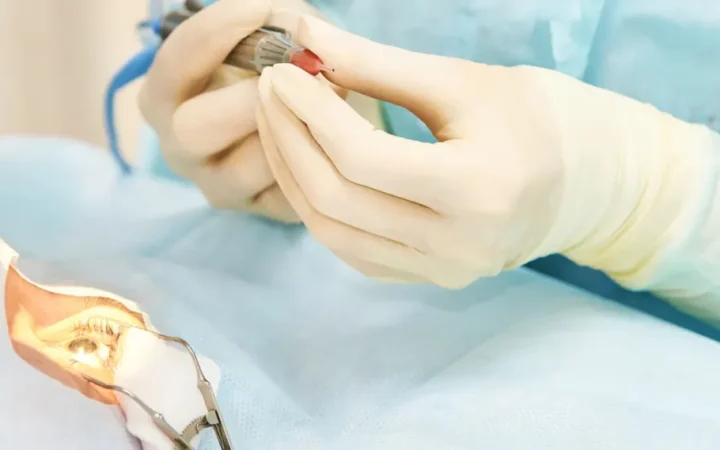
During surgery, the clouded natural lens is removed through a small incision and replaced with an artificial intraocular lens (IOL) designed to provide clear vision. The technique is usually stitch-free, and the procedure usually takes 10–20 minutes.
With modern techniques, patients usually go home the same day and can often return to their daily routine within a short time. Recovery does vary from person to person, so it is important to follow your doctor’s advice.
The procedure is planned individually after a specialist assessment, and the treatment approach is tailored to each patient’s needs.
Recovery After Cataract Surgery
Recovery after cataract surgery is usually comfortable and quick. Although it depends on the technique used and the structure of your eye, most patients can return to daily life within the first few days after surgery.
During recovery, it is important to use your eye drops regularly, attend all follow-up visits and keep the eye clean. In the first weeks you may notice temporary effects such as blurring or sensitivity to light. These usually ease within a short time, and vision gradually becomes clear.
The results of cataract surgery can vary depending on the type of artificial lens used. Being patient during this period and following your doctor’s advice supports healing.
Clearer Vision and Everyday Comfort After Cataract Surgery
Cataract surgery offers an effective solution for vision problems that lower quality of life. Blurred vision caused by cataract can make everyday life difficult, but modern techniques can make the process comfortable and lead to successful results.
After surgery, many patients regain clear vision and return more easily to their social life and daily routines. Clear vision makes a real difference in everyday activities such as reading, driving and working on screens.
Possible benefits of cataract surgery:
- A greater sense of independence thanks to clearer vision
- Less sensitivity to light
- Seeing colors more vividly
- Less fatigue during daily tasks
- A noticeable improvement in overall quality of life
The treatment plan is tailored to each person’s eye structure and lifestyle. If you have symptoms of cataract, it is important to see an ophthalmologist for an early assessment.

A Safety-Focused Approach to Cataract Surgery
Cataract surgery has been widely performed for many years and is supported by modern technology. During the operation, the clouded natural lens is removed and replaced with an artificial intraocular lens.
When performed under appropriate conditions by a specialist ophthalmologist, cataract surgery is generally considered safe. After treatment, many people enjoy clear vision in their daily activities.
Regular eye exams and specialist advice help ensure that cataract treatment is planned properly.
The information on this page is for general information only and does not replace diagnosis or treatment. In any surgical or interventional procedure, results vary from person to person. Please get a detailed opinion from your doctor before any procedure.
Cataract Surgery options
Related treatment pages
Phaco Method
The standard technique in cataract surgery: the cloudy lens is removed with ultrasound through a small incision and replaced with an intraocular lens.
View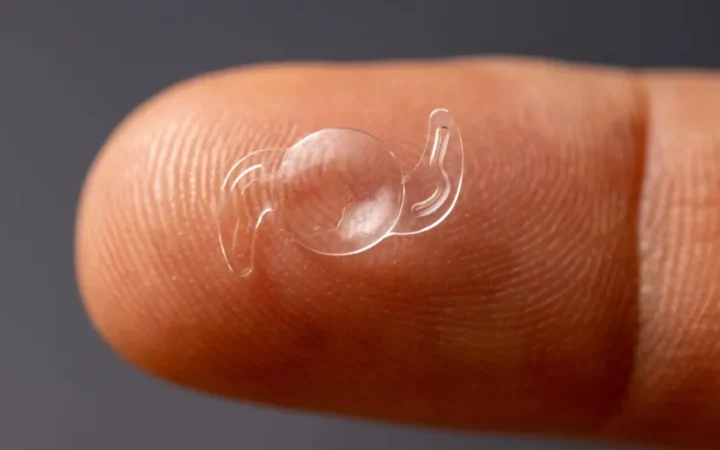
Monofocal Lens
Monofocal intraocular lenses used in cataract surgery provide clear focus at a single distance, most often for far vision.
View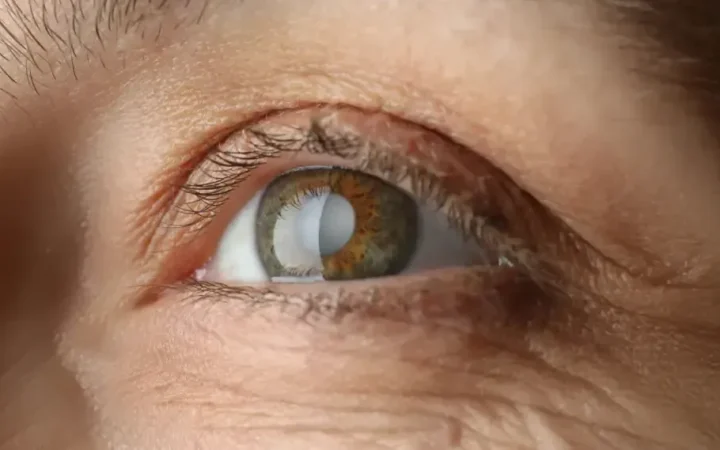
Femtosecond Laser
The femtosecond laser is used in cataract and refractive surgery to plan incisions and procedures within the cornea with high precision.
ViewFrequently asked questions
Cataract Surgery: frequently asked questions
If you have another question, you can message us on WhatsApp.
How long does cataract surgery take?
Cataract surgery is usually completed in 15–20 minutes. Performed with modern techniques under local anesthesia, it is a comfortable procedure for most patients.
What is recovery like after cataract surgery?
Recovery varies from person to person, but most patients can return to daily life within a few days. Full healing usually takes a few weeks. During this time, it is important to follow your doctor's advice to protect your eye health.
At what age does cataract develop?
Cataract is most common in people aged 60 and over. However, it can also develop at a younger age because of genetic predisposition, certain health conditions or environmental factors.

Your doctor
Op. Dr. Murat Ün
He graduated from Trakya University Faculty of Medicine and completed his ophthalmology residency at Fatih Sultan Mehmet Training and Research Hospital. From 2004 to 2016 he worked at Dünyagöz Hospital in Ataköy, then at Medical Park and Batıgöz. Since 2021 he has been seeing patients at his own practice on Bağdat Caddesi.
- Education
Trakya University Faculty of Medicine
- Residency
Fatih Sultan Mehmet Training and Research Hospital, Ophthalmology
- 2001–2004
Yaşar Okuyan SSK Hospital
- 2004–2016
Dünyagöz Hospital, Ataköy
- 2016–2018
Medical Park Hospital
- 2018–2021
Batıgöz Health Group, Altunizade
- 2021 →
Own practice · Bağdat Caddesi, Kadıköy
Contracted insurers
Examination with your private health insurance
Before your appointment we confirm together what your policy covers for Cataract Surgery. Coverage and any co-payment depend on your insurer’s approval.
- 01
 Allianz SigortaContracted
 - 02
 Anadolu SigortaContracted
 - 03
 SencardContracted
 - 04
 Türkiye SigortaContracted
 - 05
 MAPFRE SigortaContracted
 - 06
 Medisa SigortaContracted
 - 07
 AXA SigortaContracted
 - Insurer not on the list?Share your policy details and we will look at reimbursement options together.Ask on WhatsApp

