02/Laser (SMILE and other methods)
TransPRK No-Touch Laser Eye Treatment
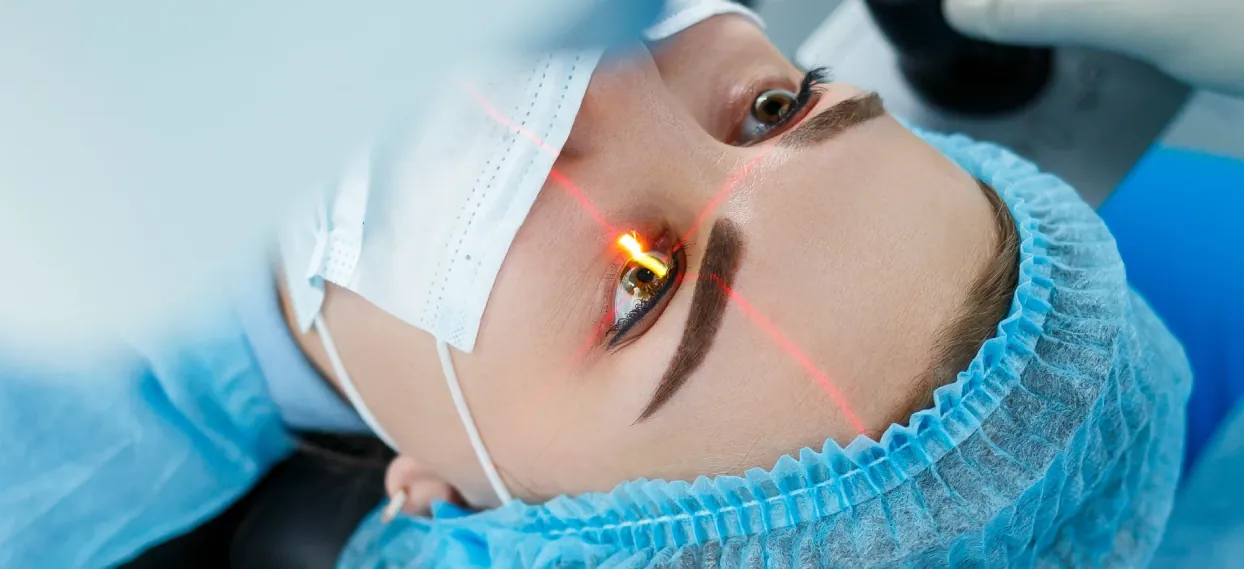
A surface laser method in which the eye is not touched and even the epithelium (the corneal surface layer) is removed by the laser; it may be an option for people with thinner corneas.
- Examination, surgery and follow-up with the same doctor
- Contracts with 7 private health insurers
- Bağdat Caddesi, Kadıköy

Short answer
TransPRK (No-Touch) is a surface laser method in which the epithelium on the surface of the cornea is removed and your prescription is corrected by the laser in a single step. Because no flap is created, it may be preferred for people with thinner corneas or those who play contact sports. Healing in the first days is slower than with SMILE, and a protective (bandage) contact lens is worn for a few days.
What Is TransPRK No-Touch Laser Treatment?
TransPRK (transepithelial photorefractive keratectomy) is a laser treatment performed without physical contact with the cornea. It is called “No-Touch” because no surgical instrument has to touch the surface of the eye during treatment. This sets it apart from other laser techniques such as conventional PRK and LASIK.
In this method, the epithelium, the outermost layer of the cornea, is gently vaporized and removed with an excimer laser. The same laser then reshapes the cornea to correct the refractive error. The whole procedure is carried out without contact, using a computer-controlled laser system.
Because it requires no contact, TransPRK offers an alternative particularly for patients with thinner corneas, eyes that are more exposed to injury, or an interest in contact sports. However, suitability must always be assessed with a detailed eye examination.
This treatment can be used to correct refractive errors such as nearsightedness (myopia), farsightedness (hyperopia) and astigmatism. Not every eye is suitable for it, though, so the decision should be made by an ophthalmologist based on your eye health and personal needs.
Who Is No-Touch Laser Treatment Suitable For?
Because No-Touch laser treatment (TransPRK) is performed without contact with the cornea, it can offer advantages for certain groups of patients. Every eye is different, however, so suitability can only be assessed after a detailed eye examination.
- Patients who want to avoid the risks of a corneal flap, even though recovery takes longer
- Patients whose corneas are too thin for flap-based methods such as LASIK
- People with mild dry eye
- People who play sports actively or work in jobs with a risk of eye injury
- People who cannot wear contact lenses or are looking for an alternative to glasses
Who May It Not Be Suitable For?
Not every eye is suitable for TransPRK. Other treatment options may be considered, especially for people with the following conditions:
- An active eye infection
- Severe dry eye syndrome
- A connective tissue disease
- Pregnancy or breastfeeding (treatment may be postponed because of temporary hormonal changes)
How Is TransPRK No-Touch Laser Treatment Performed?
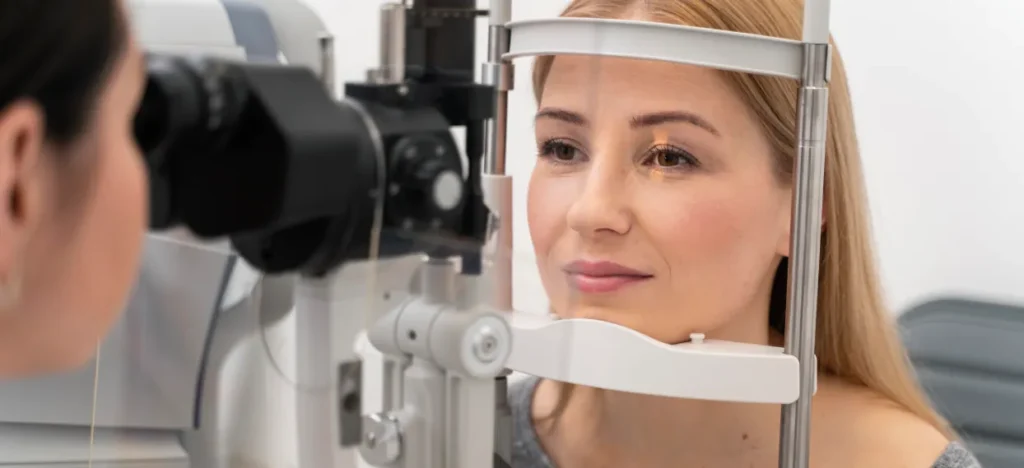
Before treatment, you have a detailed eye examination. At this stage, the following are assessed:
- Corneal thickness and shape
- Your glasses prescription
- The quality of your tear film
- The retina and other structures of the eye
Based on these findings, your ophthalmologist decides whether you are suitable for treatment.
Before the procedure, anesthetic drops are applied to numb the eye, so pain is generally not felt during treatment. Unlike conventional PRK, the epithelium is not removed mechanically; it is gently vaporized with laser energy. This is the basis of the “No-Touch” approach.
The excimer laser then reshapes the curvature of the cornea that is causing the refractive error. This step is planned individually for each patient. TransPRK takes about 10–15 minutes in total for both eyes. Because it requires no contact, it is a less invasive experience for the patient.
Advantages of No-Touch Laser Treatment
Because TransPRK No-Touch laser treatment is performed without physical contact with the cornea, it can offer certain advantages for some patients:
- Treatment Without Touching the Eye (No-Touch Technology): No surgical instrument has to touch the corneal surface during the procedure. This helps reduce the risk of infection and the chance of complications caused by mechanical handling during the procedure.
- An Option for Some People with Thinner Corneas: Because no flap is created, more of the cornea’s own thickness is preserved. This can make it an alternative for some patients whose corneal thickness is borderline for flap-based methods.
- Suited to Jobs and Sports with a Risk of Eye Injury: Because there is no flap and no contact, there is no flap that a blow to the eye could displace. This makes it a sensible alternative for people who work in jobs with a risk of eye injury or play contact sports.
- Lower Risk of Dry Eye: Because the corneal nerves are less affected, the risk of dry eye after the procedure may be lower than with some other methods. This can be a significant advantage, especially for people who already have dry eye complaints.
What Should You Pay Attention to After No-Touch Laser Treatment?
Because no instrument touches the eye, recovery after TransPRK No-Touch laser treatment generally progresses safely. There are, however, some important points to keep in mind:
- Use the antibiotic, steroid (cortisone) and artificial tear drops prescribed by your doctor regularly.
- For a few days after the procedure, you may have temporary symptoms such as blurred vision, stinging and watering. During this time, avoid long hours in front of screens and do not rub your eyes.
- Protecting your eyes from UV light is very important in the first weeks after treatment. Wearing sunglasses with a UV filter when you go out reduces sensitivity of the eye surface and protects the cornea from sunlight.
- For the first 2 weeks, stay away from swimming pools, the sea, saunas and other places with a risk of infection. The eye surface may be more vulnerable to germs during this period.
- Do not skip your follow-up appointments after treatment.
What Are the Risks of No-Touch Laser Treatment?
As with any surgical procedure, TransPRK No-Touch laser treatment carries some possible risks and side effects, although they are generally uncommon:
- Temporary blurred vision and light sensitivity are common in the first days after treatment. The blurriness usually fades gradually over a few days to a few weeks.
- During recovery, you may feel burning, stinging or a gritty, sandy sensation in the eye. This eases over time as the corneal surface heals.
- Tear production may decrease temporarily after treatment. This can be managed with artificial tear drops.
- Although the method requires no contact, the risk of infection does not disappear completely, because the surface of the eye is exposed while it heals. That is why you should attend your follow-up visits and use the eye drops your doctor prescribes regularly.
TransPRK is a well-established surface laser treatment performed without any incision in the eye. Its aim is clearer natural vision with less dependence on glasses – because seeing more clearly makes everyday life easier.
To learn more about TransPRK and request a pre-assessment appointment with Dr. Murat Ün, you can reach the practice by phone, WhatsApp or the appointment form.
The information on this page is for general information only and does not replace diagnosis or treatment. In any surgical or interventional procedure, results vary from person to person. Please get a detailed opinion from your doctor before any procedure.
Laser (SMILE and other methods) options
Related treatment pages
Laser Eye Surgery
Correcting nearsightedness (myopia), farsightedness (hyperopia) and astigmatism with SMILE, TransPRK and excimer laser; the method is chosen based on corneal thickness and corneal mapping.
View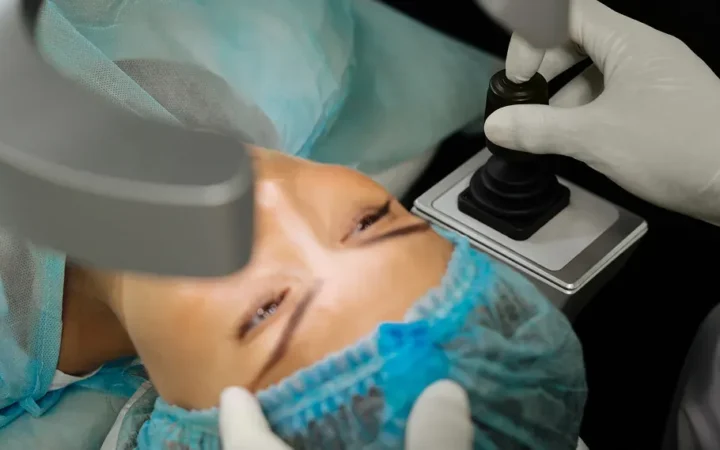
SMILE Laser
A laser method performed through a small opening in the cornea, without lifting a flap. It is used to correct nearsightedness (myopia) and astigmatism.
View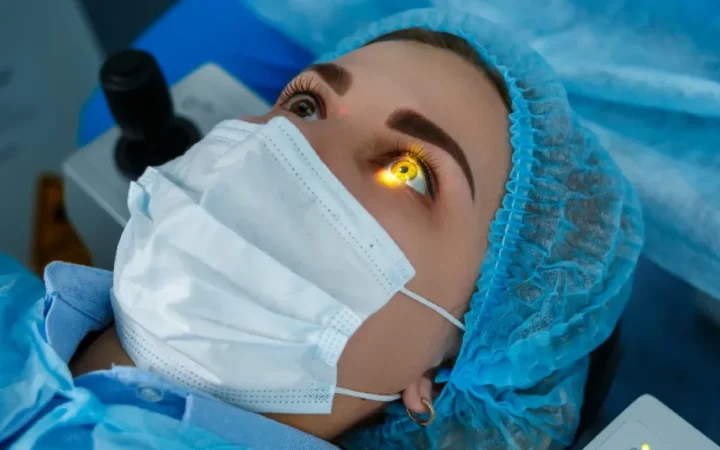
Excimer Laser
The excimer laser reshapes the cornea with micron-level precision and is the basis of methods such as PRK and LASIK.
View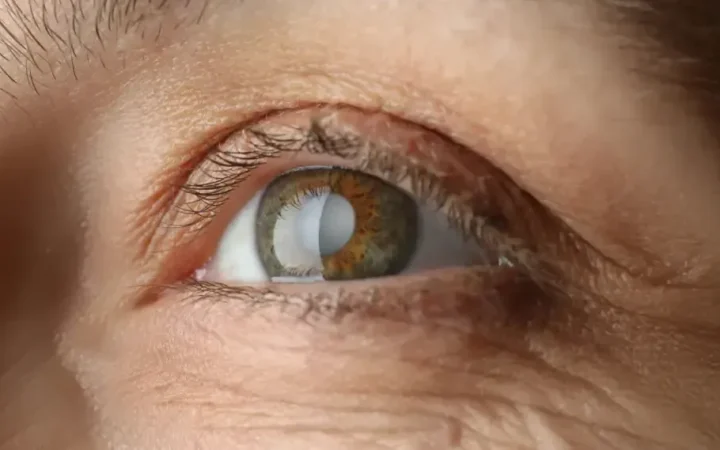
Femtosecond Laser
The femtosecond laser is used in cataract and refractive surgery to plan incisions and procedures within the cornea with high precision.
View
Presbyopia Laser
Laser methods that aim to reduce the need for glasses for near-vision problems after 40 (presbyopia).
ViewFrequently asked questions
TransPRK (No-Touch): frequently asked questions
If you have another question, you can message us on WhatsApp.
How Long Does TransPRK Take?
The TransPRK procedure takes about 10–15 minutes and is completed quickly. During this time, the laser corrects the refractive error of the eye.
When Does Vision Become Clear After TransPRK?
Vision usually becomes clear enough for daily life within about 3–7 days and continues to sharpen over the following weeks. Most patients can return to their daily routine within a short time.
Which Vision Problems Can TransPRK Treat?
TransPRK is used to treat refractive errors such as nearsightedness (myopia), farsightedness (hyperopia) and astigmatism. Its aim is clear vision with less dependence on glasses, while protecting the health of your eyes.

Your doctor
Op. Dr. Murat Ün
He graduated from Trakya University Faculty of Medicine and completed his ophthalmology residency at Fatih Sultan Mehmet Training and Research Hospital. From 2004 to 2016 he worked at Dünyagöz Hospital in Ataköy, then at Medical Park and Batıgöz. Since 2021 he has been seeing patients at his own practice on Bağdat Caddesi.
- Education
Trakya University Faculty of Medicine
- Residency
Fatih Sultan Mehmet Training and Research Hospital, Ophthalmology
- 2001–2004
Yaşar Okuyan SSK Hospital
- 2004–2016
Dünyagöz Hospital, Ataköy
- 2016–2018
Medical Park Hospital
- 2018–2021
Batıgöz Health Group, Altunizade
- 2021 →
Own practice · Bağdat Caddesi, Kadıköy
Contracted insurers
Examination with your private health insurance
Before your appointment we confirm together what your policy covers for TransPRK (No-Touch). Coverage and any co-payment depend on your insurer’s approval.
- 01
 Allianz SigortaContracted
 - 02
 Anadolu SigortaContracted
 - 03
 SencardContracted
 - 04
 Türkiye SigortaContracted
 - 05
 MAPFRE SigortaContracted
 - 06
 Medisa SigortaContracted
 - 07
 AXA SigortaContracted
 - Insurer not on the list?Share your policy details and we will look at reimbursement options together.Ask on WhatsApp

